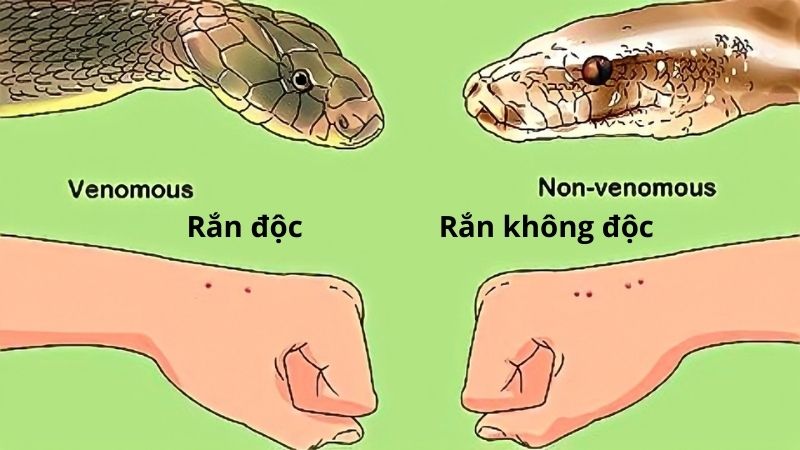
Snake bi.tes are among the most alarming medical emergencies people can encounter outdoors or even around rural homes. While not all snakes are venomous, every snake bite must be treated as potentially dangerous. Venomous species can cause rapid and severe damage to tissues, nerves, and organs, and even non-venomous bites can lead to infection if not handled correctly.
Knowing what to do in the first critical minutes after a snake bi.te can make the difference between full recovery and life-threatening complications. Below is an expanded, comprehensive guide designed to help you respond quickly, safely, and effectively.
1. Stay Calm and Assess the Situation Carefully
Emotional shock is common after a snake bi.te, but remaining calm is crucial. Panic increases heart rate, which causes venom to circulate faster through your bloodstream.
Take a deep breath and follow these steps:
-
Sit or lie down immediately to reduce circulation.
-
Avoid shouting or sudden movements.
-
Reassure yourself or the victim that help is on the way.
If safe, observe the snake from a distance:
-
Approximate size, color, pattern, and shape of the head.
-
Note whether the snake rattled, hissed, or displayed aggressive behavior.
-
Never attempt to capture or ki.ll the snake - this increases the danger.
Next, call emergency services right away. Professional medical intervention is the only effective treatment for venomous bi.tes.
2. Move Away from the Snake to Prevent Additional Danger
Remaining close to the snake increases the risk of another bi.te, especially if the snake feels threatened.
Move several meters away while:
-
Keeping movements slow and controlled.
-
Warning nearby people to maintain distance.
-
Ensuring the area is safe before beginning first aid.
Remember: Snake bites often occur when people try to chase, trap, or kill the snake. Leave it alone.
3. Keep the Affected Limb Still and Low
Limiting movement is one of the most important principles in snake bi.te first aid.
Venom spreads more rapidly with:
-
Muscular movement
-
Elevated heart rate
-
Increased circulation
To slow venom absorption:
-
Keep the limb below heart level.
-
Immobilize it using a splint, stick, or rolled-up fabric.
-
Encourage the victim to stay seated or lying down.
Do not tightly wrap the limb - cutting blo.od flow can cause tissue death and worsen venom damage.
4. Remove Tight Items Immediately Before Swelling Begins
After a snake bi.te, swelling often occurs within minutes. To prevent constriction:
-
Remove rings, bracelets, watches, anklets, or tight sleeves.
-
Loosen restrictive clothing around the affected area.
-
If bitten on the foot, remove shoes or socks if swelling starts.
This prevents circulation problems and reduces the risk of further complications.
5. Clean the Bi.te Area Gently - but Avoid Harmful Home Remedies
Proper cleaning helps reduce infection, but only mild cleaning is recommended.
Safe actions:
-
Rinse gently with clean water.
-
Use mild soap if available.
Avoid harmful practices that many people mistakenly try:
-
Do not cut the wound - this can cause severe bleeding.
-
Do not suck out venom - it does not work and exposes you to infection.
-
Do not apply ice - cold restricts circulation, worsening tissue damage.
-
Do not apply tourniquets - these can cause permanent limb injury.
Keeping the area untouched and undisturbed helps medical personnel assess the bi.te accurately.
6. Monitor for Signs of Envenomation
Symptoms can appear immediately or gradually over several hours. Key signs include:
Local Symptoms
-
Rapid swelling or bruising
-
Severe, throbbing pain
-
Blistering or discoloration around the bi.te
Systemic Symptoms
-
Nausea and vomiting
-
Weakness or dizziness
-
Sweating or chills
-
Difficulty breathing, speaking, or swallowing
-
Blurred vision
-
Numbness or tingling
If any systemic symptoms appear, it may indicate significant venom absorption, and the person must receive medical help urgently.
7. Seek Emergency Medical Treatment Without Delay
The most critical step in treating a snake bite is getting to a hospital quickly.
At the medical facility:
-
Doctors may administer anti-venom, the only proven treatment for venomous snake bites.
-
The patient may undergo blood tests, imaging, and monitoring for complications.
-
Additional treatments may include pain management, wound care, or IV fluids.
During transport:
-
Keep the victim as still and calm as possible.
-
Do not allow them to walk unless necessary.
-
Continue immobilizing the limb.
Bring a photo of the snake, not the actual snake, if safely possible. This helps determine the correct anti-venom.
8. Dan.gerous Mistakes to Avoid at All Costs
Many traditional remedies are not only ineffective but also dangerous.
Never:
-
Attempt to suck out venom
-
Apply ice, heat, alcohol, or chemicals
-
Use tight tourniquets or bands
-
Cut or slice the bite area
-
Give stimulants, painkillers, or alcohol
-
Ignore symptoms because the bite "doesn't hurt much" initially
Some venomous bites are painless at first - especially from coral snakes or certain viper species. Always treat a bite as serious.
Conclusion: Fast, Calm Action Saves Lives
Snake bites can be frightening, but knowledge and preparation can drastically improve outcomes. The essential steps are:
1. Stay calm and call emergency services immediately.
2. Move away from the snake and immobilize the affected limb.
3. Remove constrictive items and gently clean the bite.
4. Monitor symptoms and reach medical care quickly.
Every snake bite is a medical emergency. The faster you act - and the more correctly you respond - the better the chances of preventing serious harm.