If You Drool While Sleeping Often, Check for These 6 Diseases
Drooling during sleep seems harmless to most people — many even joke about it. But doctors reveal that frequent or excessive drooling can be a hidden signal that the body is struggling with deeper health issues.
Normally, saliva is swallowed unconsciously throughout the day and night.
However, when certain medical problems interfere with muscle control, breathing, or neurological function, saliva can leak out, especially during sleep.
Below are 6 conditions experts warn you should pay attention to if drooling happens regularly.
1. Sleep Apnea (Obstructive Sleep Apnea – OSA)
One of the most common causes is sleep apnea, a condition where breathing repeatedly stops and starts during sleep.
When airflow becomes blocked, people often open their mouths to breathe, causing saliva to escape.
Warning signs include:
-
Loud snoring
-
Waking up gasping
-
Daytime sleepiness
-
Morning headaches
Left untreated, sleep apnea can increase the risk of heart disease, stroke, and high blood pressure.
2. Gastroesophageal Reflux Disease (GERD)
GERD occurs when stomach acid flows back into the esophagus.
The acid irritates nerves that control saliva production, making the glands produce more saliva as a protective response.
People with GERD often notice:
-
Drooling
-
Sour taste in the mouth
-
Burning chest pain
-
Morning hoarseness
Excess saliva at night may be your body’s way of signaling severe acid reflux.
3. Sinus Infections or Allergies
When nasal passages are blocked due to allergies, flu, or sinusitis, you may be forced to breathe through your mouth.
This makes drooling much more likely.
If your drooling is accompanied by:
-
Stuffy nose
-
Facial pressure
-
Postnasal drip
-
Chronic coughing
then sinus problems may be the reason.
4. Neurological Disorders
The brain plays a major role in controlling swallowing and facial muscles.
Diseases that affect these functions can lead to drooling, even in adults.
These include:
-
Parkinson’s disease
-
Stroke
-
Multiple sclerosis
-
Amyotrophic lateral sclerosis (ALS)
If drooling appears suddenly along with weakness, slurred speech, or loss of coordination, urgent medical attention is required.
5. Tonsillitis or Enlarged Tonsils
Infections of the tonsils can cause swelling, pain, and difficulty swallowing.
When this happens, saliva accumulates in the mouth and escapes during sleep.
Symptoms to watch for:
-
Sore throat
-
Swollen tonsils
-
Fever
-
Painful swallowing
Frequent tonsillitis can also obstruct the airway, contributing to mouth breathing.
6. Medication Side Effects
Some medications interfere with muscle control or increase saliva production.
The most common include:
-
Antipsychotics
-
Sedatives
-
Drugs for Alzheimer’s
-
Certain antidepressants
If drooling began after starting a new medication, talk to your doctor about adjusting the dose or switching prescriptions.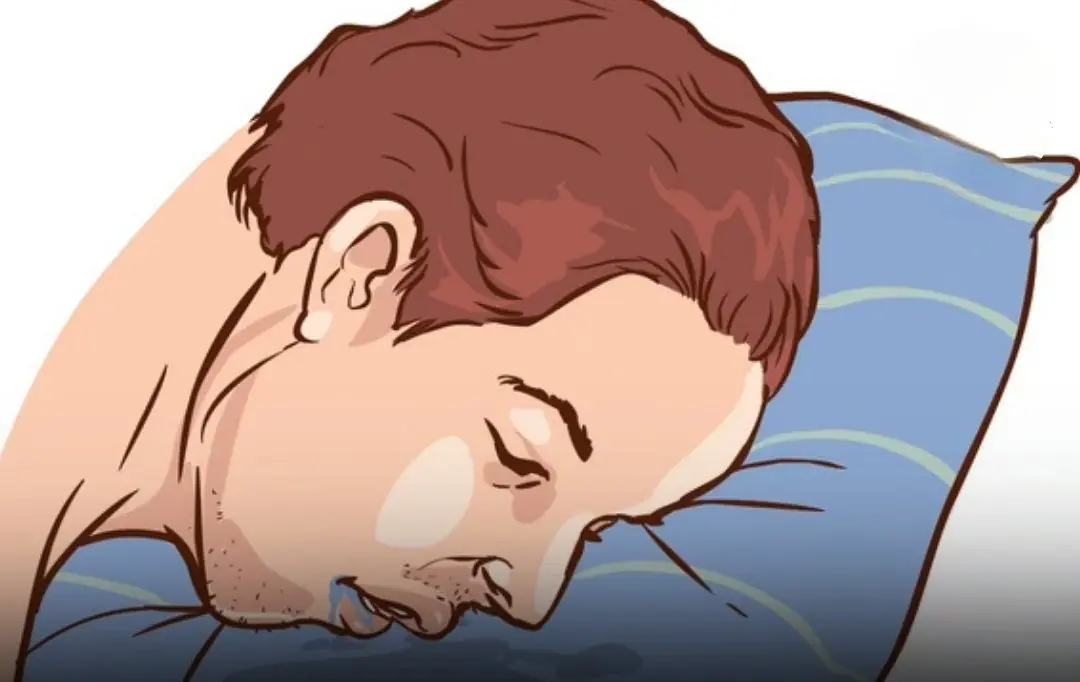
When Should You Be Concerned?
Occasional drooling is normal, especially if you sleep deeply or nap in awkward positions.
But if it happens frequently, or is accompanied by snoring, choking, fatigue, or facial weakness, it may indicate a serious underlying condition.
Doctors recommend observing the pattern for a week.
If nothing changes, a medical checkup is strongly advised.