
9 Interesting Things to Know About American Sweetgum and How Some People Use It
American Sweetgum: Natural Properties, Folk Uses, and Home Applications
Health 13/05/2026 16:21
The liver plays a vital role in filtering toxins, processing nutrients, supporting digestion, and regulating many important functions in the body. When the liver is not working properly, the effects may sometimes appear on the skin.
Although skin changes do not automatically mean someone has liver disease, doctors say certain symptoms may occasionally be linked to liver problems — especially when they occur alongside fatigue, abdominal discomfort, or unexplained weight changes.
Here are 7 possible skin symptoms associated with liver disease.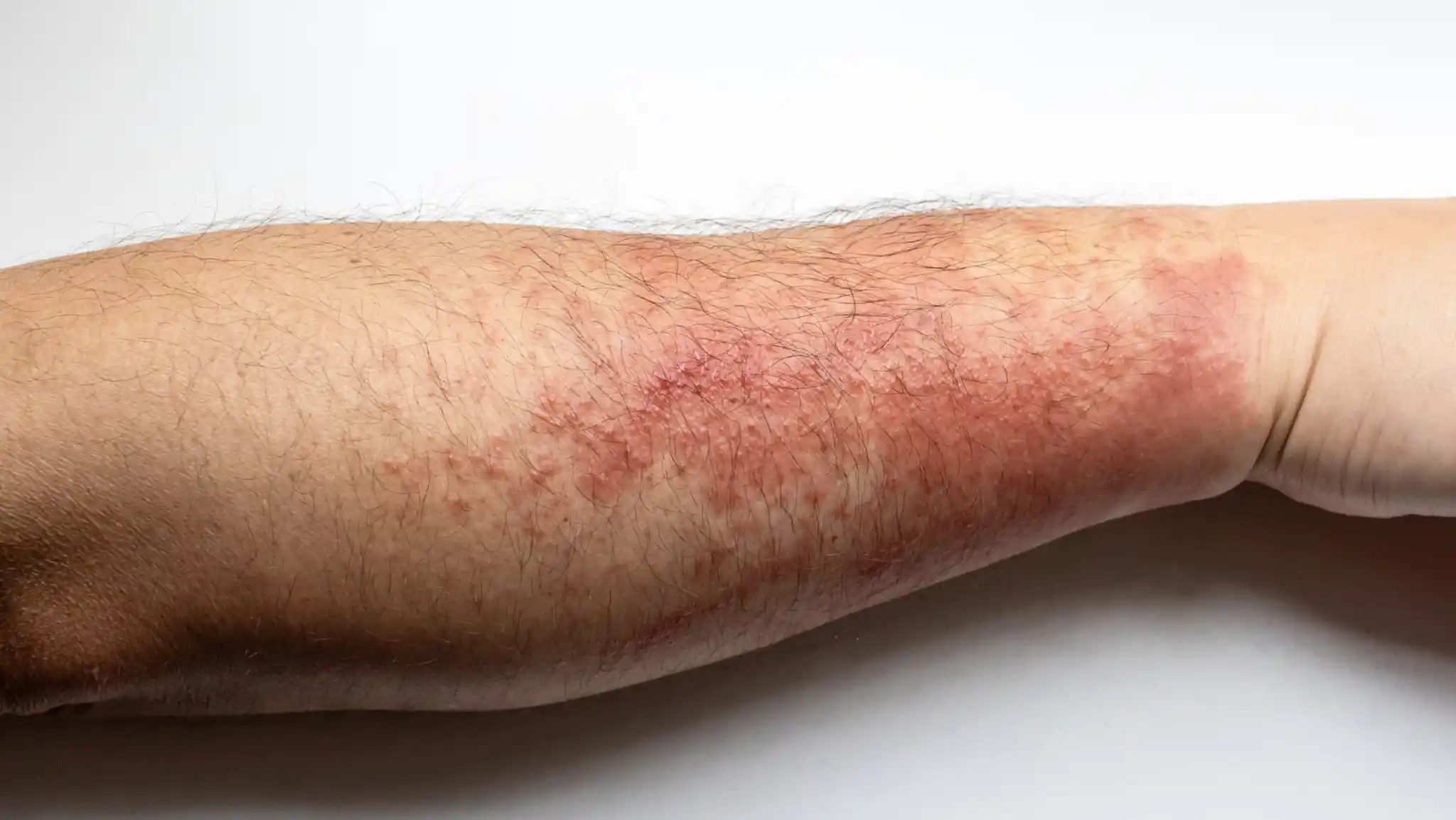
One of the best-known signs of liver problems is jaundice.
This happens when bilirubin — a yellow pigment produced during the breakdown of red blood cells — builds up in the body.
Symptoms may include:
Jaundice can occur in conditions such as:
Chronic itching without an obvious rash may sometimes be linked to liver disease.
Experts believe this may happen when bile salts build up in the bloodstream.
The itching may:
Persistent unexplained itching should be medically evaluated.
Spider angiomas are small, spider-like blood vessels visible under the skin.
They often appear on:
These marks are linked to changes in hormone processing and blood vessels, which may occur in chronic liver disease.
Having one or two is common and not always serious, but multiple spider angiomas may deserve attention.

The liver helps produce proteins needed for blood clotting.
When liver function declines, people may bruise more easily or bleed longer than usual.
You may notice:
This can occur in advanced liver disease.
Some people with liver disease develop redness on the palms of the hands.
This condition is called palmar erythema.
The palms may appear:
However, red palms can also occur in healthy individuals and other medical conditions.
Certain liver disorders may cause changes in skin pigmentation.
Some people develop:
These changes may be related to hormone imbalance, iron buildup, or chronic inflammation.
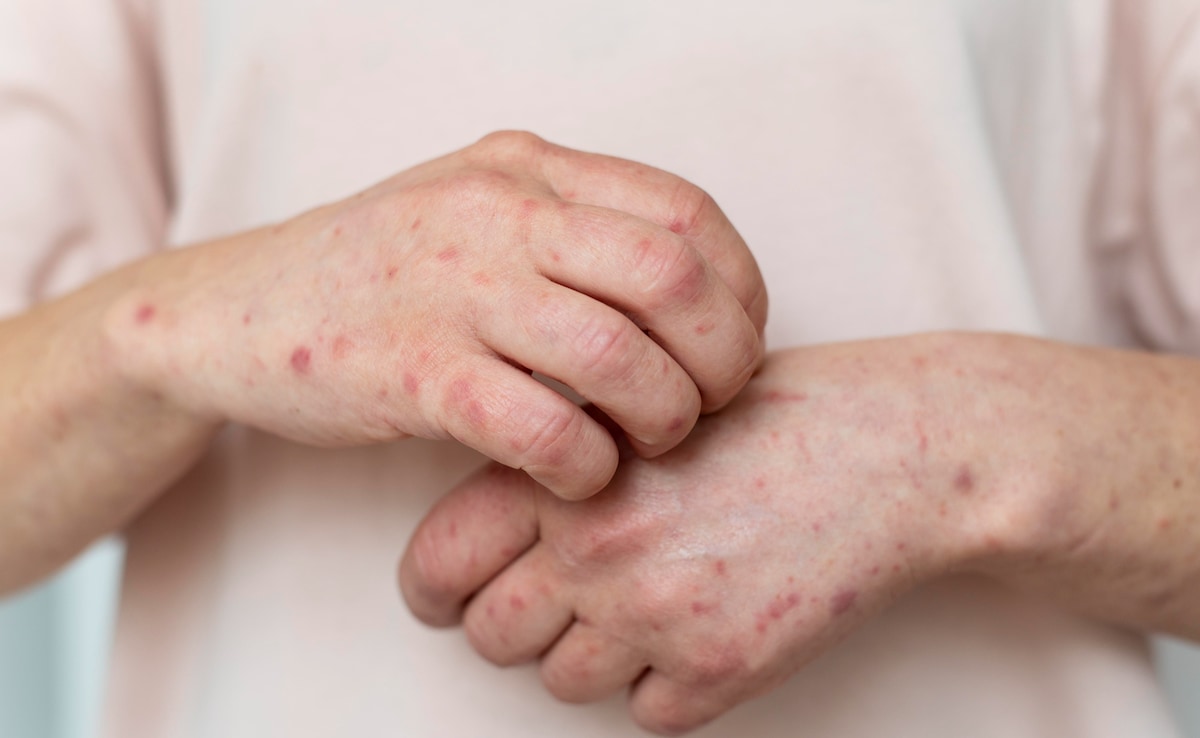
Liver disease can lead to fluid retention, especially in advanced stages.
This may cause:
Fluid buildup occurs because damaged liver function can affect circulation and protein balance in the body.
Skin symptoms are often accompanied by other signs, including:
Some people may have few symptoms early on.
Liver disease can result from many conditions, such as:
Early detection is important because liver damage may worsen silently over time.
Experts recommend several habits to support liver function:
Regular medical checkups may also help detect liver problems earlier.
Seek medical attention if you notice:
A doctor may recommend blood tests, imaging scans, or additional evaluation.
The skin can sometimes provide important clues about what’s happening inside the body. While these symptoms do not always mean liver disease is present, persistent or unusual skin changes should not be ignored.
Early diagnosis and treatment may help prevent more serious complications and improve long-term health outcomes.
American Sweetgum: Natural Properties, Folk Uses, and Home Applications

What Could Cause Sharp Pain in the Ear? Symptoms, Care and When to See a Doctor

Signs of High Bl00d Sugar Many People Overlook

Natural Ways to Support Liver, Kidney and Digestive Health
What Science Says About the Potential Health Properties of Thyme?

What Causes Itchy Skin and Small Red Bumps? Experts Explain

The Possible Advantages of Left-Side Sleeping for Digestion and Comfort

Sleep Disorders Aren’t Just About Fatigue — Your Heart May Also Suffer

Here’s Why Sweet Potatoes Are Good for You — and When They May Not Be

Nutrition Experts Say This Breakfast Combination Offers More Than Just Great Taste

Winged Beans: The Protein-Rich Vegetable Getting More Attention

If you’re over 50, eating one banana a day may affect your body in ways you never expected.
Burning Feet and Tingling Sensations? Your Diet Might Play a Bigger Role Than You Think

Hard-Boiled Eggs Explained: 15 Unexpected Things to Know

The Surprising Bedtime Ginger Trick and What It May Help With

Why Many People Eat Garlic Daily: 5 Potential Health Benefits?

A Fishy Smell Isn’t Always Harmless — Here’s Why
Studies Reveal a Possible Association Between Blood Type and Gastric Can.cer

Eating Watermelon Frequently Could Offer Several Health Benefits
American Sweetgum: Natural Properties, Folk Uses, and Home Applications
What Could Cause Sharp Pain in the Ear? Symptoms, Care and When to See a Doctor
Signs of High Bl00d Sugar Many People Overlook
Natural Ways to Support Liver, Kidney and Digestive Health
What Science Says About the Potential Health Properties of Thyme?
What Causes Itchy Skin and Small Red Bumps? Experts Explain
The Possible Advantages of Left-Side Sleeping for Digestion and Comfort
Sleep Disorders Aren’t Just About Fatigue — Your Heart May Also Suffer
Here’s Why Sweet Potatoes Are Good for You — and When They May Not Be
Nutrition Experts Say This Breakfast Combination Offers More Than Just Great Taste
Winged Beans: The Protein-Rich Vegetable Getting More Attention
If you’re over 50, eating one banana a day may affect your body in ways you never expected.
Burning Feet and Tingling Sensations? Your Diet Might Play a Bigger Role Than You Think

A Lizard Inside the Home Has Different Symbolic Meanings Around the World
Hard-Boiled Eggs Explained: 15 Unexpected Things to Know
The Surprising Bedtime Ginger Trick and What It May Help With
Why Many People Eat Garlic Daily: 5 Potential Health Benefits?
A Fishy Smell Isn’t Always Harmless — Here’s Why
Studies Reveal a Possible Association Between Blood Type and Gastric Can.cer