Food safety is something many people overlook in daily life. It is common to leave leftovers on the kitchen counter for a few hours, place warm food directly into the refrigerator, or assume refrigerated food is automatically safe to eat the next day. However, improper storage conditions may allow harmful bacteria to grow rapidly — sometimes overnight.
Foodborne bacteria are often invisible, meaning contaminated food may still look, smell, and taste normal. In some cases, eating spoiled food may lead to nausea, vomiting, diarrhea, stomach cramps, fever, or more serious complications, especially in children, older adults, pregnant women, and individuals with weakened immune systems.
Understanding which foods spoil more easily and how to store them safely may help reduce the risk of food poisoning and protect overall health.
Here are 8 common foods that can develop harmful bacteria overnight if not stored correctly.

Why Food Spoils So Quickly
Bacteria grow most rapidly within what food safety experts call the “danger zone,” generally between 40°F and 140°F (4°C to 60°C).
When food remains in this temperature range too long:
- Bacteria may multiply quickly
- Toxins may form
- Food safety risks increase
Even refrigeration does not completely stop bacterial growth — it only slows it down.
Improper cooling, poor hygiene, or repeated reheating may still allow dangerous bacteria to survive and multiply.
1. Cooked Rice
Many people are surprised to learn that cooked rice can become risky if left out too long.
Rice may contain spores of Bacillus cereus, a bacterium capable of surviving cooking temperatures.
If cooked rice remains at room temperature for several hours:
- Spores may grow into bacteria
- Toxins may develop
- Food poisoning risk increases
Symptoms may include:
- Vomiting
- Diarrhea
- Stomach cramps
To reduce risk:
- Cool rice quickly
- Refrigerate within two hours
- Reheat thoroughly before eating
Rice should not repeatedly move between room temperature and refrigeration.
2. Seafood
Fish and shellfish are highly perishable foods.
Seafood can quickly develop harmful bacteria if:
- Left unrefrigerated
- Stored improperly
- Not kept cold enough
Spoiled seafood may lead to:
- Severe food poisoning
- Nausea
- Vomiting
- Diarrhea
Raw seafood products such as sushi require especially careful handling.
Seafood should ideally be:
- Refrigerated immediately
- Stored below safe temperatures
- Consumed quickly after cooking
3. Cooked Chicken
Chicken is one of the most common foods associated with bacterial contamination.
Raw poultry may contain harmful bacteria such as:
- Salmonella
- Campylobacter
Even after cooking, bacteria may grow if chicken is left at room temperature too long.
Improperly stored chicken may cause:
- Fever
- Abdominal pain
- Vomiting
- Severe diarrhea
Leftover chicken should be:
- Refrigerated promptly
- Stored in airtight containers
- Reheated thoroughly
4. Eggs and Egg Dishes
Egg-based dishes spoil quickly when not stored properly.
Examples include:
- Omelets
- Scrambled eggs
- Egg salad
- Custards
- Mayonnaise-based dishes
Bacteria such as Salmonella may multiply if eggs are left unrefrigerated for extended periods.
Egg dishes should not remain at room temperature for more than two hours.
Cold storage is especially important during warm weather.
5. Dairy Products
Milk, cream, yogurt, cheese, and cream-based sauces are highly sensitive to temperature changes.
Bacteria may grow rapidly in dairy products if:
- Refrigeration fails
- Containers are left open
- Products remain unrefrigerated too long
Spoiled dairy may cause:
- Stomach upset
- Vomiting
- Diarrhea
Some soft cheeses and cream-heavy foods are especially vulnerable to bacterial growth.
Always check:
- Expiration dates
- Smell
- Texture
- Storage temperatures
6. Cooked Potatoes
Cooked potatoes may also become unsafe if improperly stored.
One lesser-known concern involves potatoes wrapped tightly in foil and left at room temperature.
Under certain conditions, low-oxygen environments may allow dangerous bacteria such as Clostridium botulinum to grow.
Although rare, botulism is a serious condition affecting the nervous system.
Cooked potatoes should be:
- Refrigerated promptly
- Stored safely
- Reheated properly
7. Pasta and Noodles
Cooked pasta may become a breeding ground for bacteria if left unrefrigerated overnight.
Like rice, pasta may occasionally support growth of Bacillus cereus.
The risk increases when pasta:
- Sits at room temperature
- Is mixed with creamy sauces
- Is stored improperly
Pasta salads containing mayonnaise or dairy ingredients may spoil even faster.
Safe handling includes:
- Refrigerating leftovers quickly
- Avoiding long exposure to room temperature
- Reheating thoroughly
8. Leafy Greens and Prepared Salads
Leafy greens and salads may appear harmless, but they can harbor bacteria if not washed or stored correctly.
Prepared salads become riskier when mixed with:
- Meat
- Eggs
- Dairy
- Dressings
Cut vegetables release moisture, which may encourage bacterial growth over time.
Salads left unrefrigerated during parties or meals may become unsafe surprisingly quickly.
Proper washing and refrigeration are important for reducing contamination risks.
Signs Food May No Longer Be Safe
Not all contaminated food shows obvious warning signs, but common clues may include:
- Sour smell
- Slimy texture
- Mold growth
- Unusual color changes
- Gas buildup in containers
- Off taste
However, some dangerous bacteria produce no noticeable smell or appearance changes.
When in doubt, throwing food away is often the safest choice.
Common Symptoms of Food Poisoning
Food poisoning symptoms may vary depending on the bacteria involved.
Common symptoms include:
- Nausea
- Vomiting
- Diarrhea
- Abdominal cramps
- Fever
- Weakness
Symptoms may appear within hours or even days after eating contaminated food.
Severe dehydration may occur in serious cases.
People at Higher Risk of Severe Foodborne Illness
Certain groups are more vulnerable to complications from food poisoning.
These include:
- Older adults
- Young children
- Pregnant women
- People with weakened immune systems
- Individuals with chronic illnesses
Extra caution with food handling is especially important for these populations.
Important Food Storage Tips
Simple food safety habits may greatly reduce risk.
Refrigerate Promptly
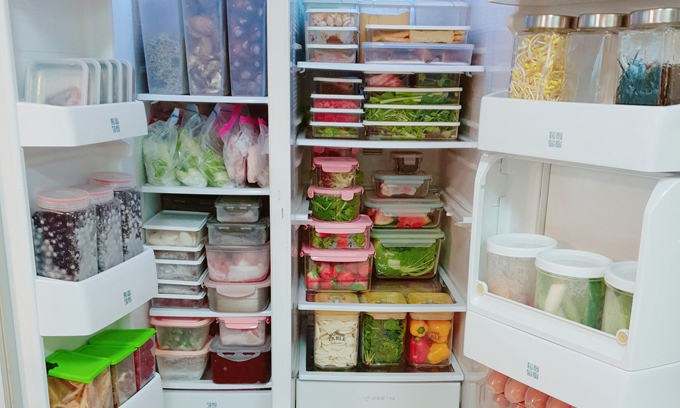
Store leftovers within two hours of cooking.
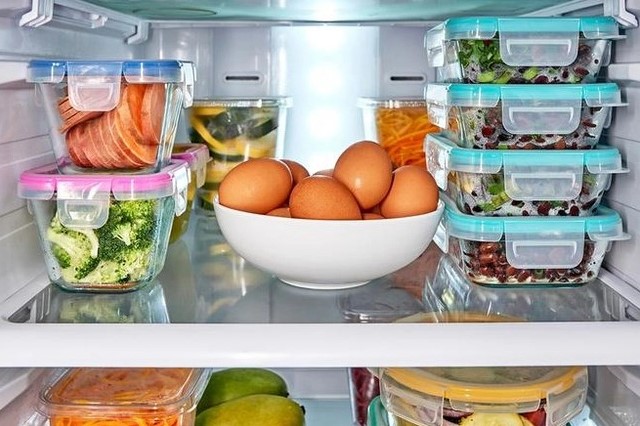
Use Airtight Containers
Proper containers help reduce contamination.
Avoid Overcrowding the Refrigerator
Cold air must circulate properly.
Reheat Thoroughly
Many leftovers should reach safe internal temperatures before eating.
Do Not Repeatedly Reheat Food
Multiple heating and cooling cycles increase bacterial risk.
Keep Refrigerator Temperatures Safe
The refrigerator should remain below 40°F (4°C).
The Myth That Refrigeration Makes Food “Last Forever”
One common misconception is that refrigeration completely prevents spoilage.
In reality:
- Refrigeration only slows bacterial growth
- Some bacteria still survive and multiply slowly
- Food eventually becomes unsafe
Even refrigerated leftovers have limited safe storage periods.
Why Hygiene Matters
Food safety also depends heavily on cleanliness.
Important hygiene habits include:
- Washing hands
- Cleaning cutting boards
- Separating raw meat from vegetables
- Using clean utensils
- Avoiding cross-contamination
Improper kitchen hygiene may spread bacteria even before food is stored.
Final Thoughts
Many common foods including rice, seafood, chicken, eggs, dairy products, pasta, potatoes, and salads - may develop harmful bacteria overnight if not stored correctly. Even refrigeration cannot fully protect food when cooling, hygiene, or storage practices are poor.
Understanding proper food handling and storage may help reduce the risk of foodborne illness and protect long-term health.
Sometimes the most dangerous food safety risks are invisible, which is why careful storage habits are one of the simplest and most important ways to stay safe in the kitchen.