Pancreatic cancer is often called a “silent disease” because its symptoms can be subtle in the early stages. Many people may not notice warning signs until the condition has already progressed, which is one reason pancreatic cancer is considered particularly serious.
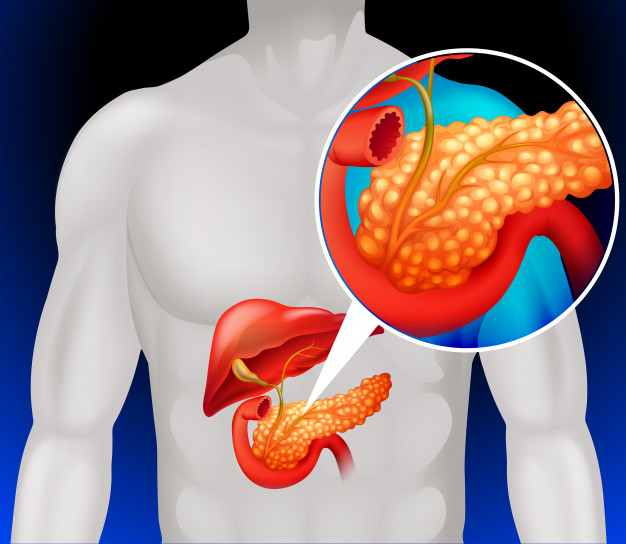
The pancreas is a small but essential organ located behind the stomach. It plays a major role in digestion and blood sugar regulation by producing digestive enzymes and hormones such as insulin. When the pancreas becomes affected by cancer, the body may begin sending warning signals that are easy to overlook or mistake for less serious conditions.
While having one or more symptoms does not automatically mean someone has pancreatic cancer, understanding the possible signs may help encourage earlier medical evaluation and treatment when necessary.
Here are some of the most important warning signs and symptoms people should know about.
1. Unexplained Weight Loss
Sudden or unexplained weight loss is one of the most common warning signs associated with pancreatic cancer.
Many people lose weight without trying because the body may struggle to digest food properly. Cancer can also increase the body’s energy demands while reducing appetite.
Weight loss may occur alongside:
- Fatigue
- Loss of appetite
- Digestive discomfort
- Feeling full quickly
Any significant unexplained weight loss should be medically evaluated, especially if it happens rapidly.
2. Pain in the Upper Abdomen or Back
Pain that begins in the upper abdomen and spreads to the back can sometimes occur when a tumor presses on nearby nerves or organs.
This discomfort may:
- Come and go initially
- Worsen after eating
- Become more noticeable when lying down
- Improve slightly when leaning forward
Back pain related to pancreatic issues is often persistent and difficult to explain through normal muscle strain alone.
Because abdominal and back pain are common symptoms with many possible causes, they are frequently overlooked in the early stages.
3. Yellowing of the Skin or Eyes
Yellow skin or eyes, known as jaundice, may develop if a tumor blocks the bile duct.
This causes bilirubin — a yellow substance produced during the breakdown of red blood cells — to build up in the body.
Jaundice may also lead to:
- Dark urine
- Pale or greasy stools
- Itchy skin
- Digestive discomfort
Sometimes jaundice appears before pain develops, making it one of the more important early warning signs.
Any sudden yellowing of the eyes or skin should be taken seriously.
4. Digestive Problems
The pancreas helps the body digest fats and nutrients. When it is not functioning properly, digestion may become disrupted.
Possible symptoms include:
- Nausea
- Vomiting
- Bloating
- Indigestion
- Diarrhea
- Greasy or floating stools
Some individuals may notice discomfort after eating fatty foods because the pancreas is no longer producing enough digestive enzymes efficiently.
Digestive issues that persist over time should not be ignored.
.jpg)
5. New-Onset Diabetes
In some cases, pancreatic cancer may affect insulin production and blood sugar control.
Researchers have found that some people develop sudden diabetes shortly before being diagnosed with pancreatic cancer, especially older adults with no previous history of blood sugar problems.
Warning signs may include:
- Increased thirst
- Frequent urination
- Fatigue
- Blurred vision
- Unexplained weight loss
Although diabetes is extremely common and usually unrelated to cancer, sudden changes in blood sugar combined with other symptoms may deserve closer attention.
6. Loss of Appetite
A noticeable reduction in appetite may sometimes occur before other major symptoms appear.
People may begin feeling full quickly or lose interest in foods they previously enjoyed.
Loss of appetite may result from:
- Digestive changes
- Inflammation
- Tumor pressure on nearby organs
- Changes in metabolism
Persistent appetite changes combined with fatigue or weight loss should not be dismissed.
7. Extreme Fatigue
Cancer-related fatigue is different from ordinary tiredness.
Many individuals describe feeling:
- Constantly exhausted
- Weak even after resting
- Mentally drained
- Unable to complete daily activities normally
Fatigue may result from inflammation, nutritional deficiencies, sleep disruption, or the body’s response to illness.
Persistent unexplained exhaustion deserves medical attention, particularly when combined with other symptoms.
8. Blood Clots
Some people with pancreatic cancer develop blood clots before the cancer itself is diagnosed.
A blood clot in the leg, known as deep vein thrombosis (DVT), may cause:
- Swelling
- Redness
- Warmth
- Leg pain
If a clot travels to the lungs, it can cause chest pain or shortness of breath.
While blood clots have many possible causes, unexplained clotting disorders can sometimes be linked to underlying cancers.
9. Changes in Stool
Pancreatic problems may affect the body’s ability to digest fats properly.
As a result, stool may become:
- Pale
- Greasy
- Oily
- Foul-smelling
- Difficult to flush
These changes happen because undigested fat passes through the digestive system.
Persistent stool changes should always be discussed with a healthcare professional.
10. Itchy Skin
Many people do not associate itching with pancreatic disease, but it may occur when bile flow becomes blocked.
When bilirubin accumulates in the bloodstream, it can irritate the skin and trigger widespread itching.
This itching may:
- Be intense
- Worsen at night
- Occur without a visible rash
Although itchy skin has many harmless causes, unexplained persistent itching alongside jaundice should not be ignored.
Why Pancreatic Cancer Is Often Difficult to Detect Early
One major challenge is that the pancreas is located deep inside the body, making early tumors difficult to notice.
In addition:
- Symptoms may be vague
- Signs often resemble common digestive problems
- Early stages may produce no symptoms at all
This is why awareness of possible warning signs is so important.
Risk Factors That May Increase the Chances of Pancreatic Cancer
Certain factors may increase the risk of developing pancreatic cancer, including:
Smoking
Smoking is one of the strongest known risk factors.
Obesity
Excess body weight may increase inflammation and metabolic stress.
Chronic Pancreatitis
Long-term inflammation of the pancreas may raise cancer risk.
Family History
Some inherited genetic conditions may increase susceptibility.
Diabetes
Long-standing diabetes has been associated with increased risk.
Age
Most cases occur in older adults, though younger people can also be affected.
How to Support Pancreatic Health
Although not all cases can be prevented, healthy habits may help reduce overall risk.
Avoid Smoking
Quitting smoking may significantly reduce pancreatic cancer risk over time.
Maintain a Healthy Weight
Balanced nutrition and regular exercise support metabolic health.
Eat a Nutrient-Rich Diet
Fruits, vegetables, whole grains, and lean proteins may help reduce inflammation.
Limit Excess Alcohol
Heavy alcohol use may damage the pancreas and liver.
Monitor Blood Sugar
Managing diabetes effectively may help support pancreatic health.
When to See a Doctor
Medical attention should be sought if symptoms include:
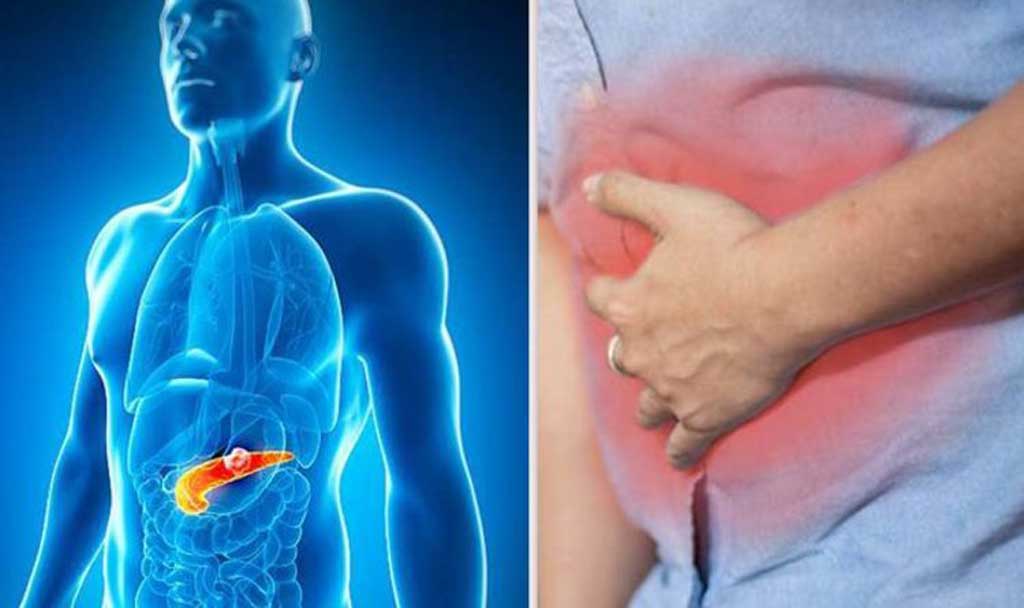
- Persistent abdominal or back pain
- Jaundice
- Unexplained weight loss
- Ongoing digestive problems
- Sudden diabetes
- Severe fatigue
Early evaluation may help identify the cause before complications become more serious.
Final Thoughts
Pancreatic cancer can develop quietly, and many of its early symptoms may appear mild or easy to dismiss. However, changes such as unexplained weight loss, digestive problems, jaundice, abdominal pain, and extreme fatigue may sometimes signal that something serious is happening inside the body.
Awareness does not mean panic - but paying attention to persistent symptoms and seeking medical advice when needed may help improve the chances of earlier diagnosis and treatment.
Sometimes the body sends subtle warnings long before a condition becomes severe, and recognizing those signs early can make an important difference.