Arthritis is one of the most common health conditions affecting millions of people worldwide. Although many people associate arthritis with aging, the condition can develop at almost any age and may begin with subtle symptoms that are easy to dismiss.
The term “arthritis” refers to inflammation and damage affecting the joints. There are more than 100 different types of arthritis, including osteoarthritis, rheumatoid arthritis, gout, and psoriatic arthritis. Some forms develop gradually over time, while others may appear more suddenly.
Recognizing the early warning signs is important because early management may help reduce pain, protect joint function, and improve long-term quality of life.
Here are seven early signs of arthritis people should pay close attention to.
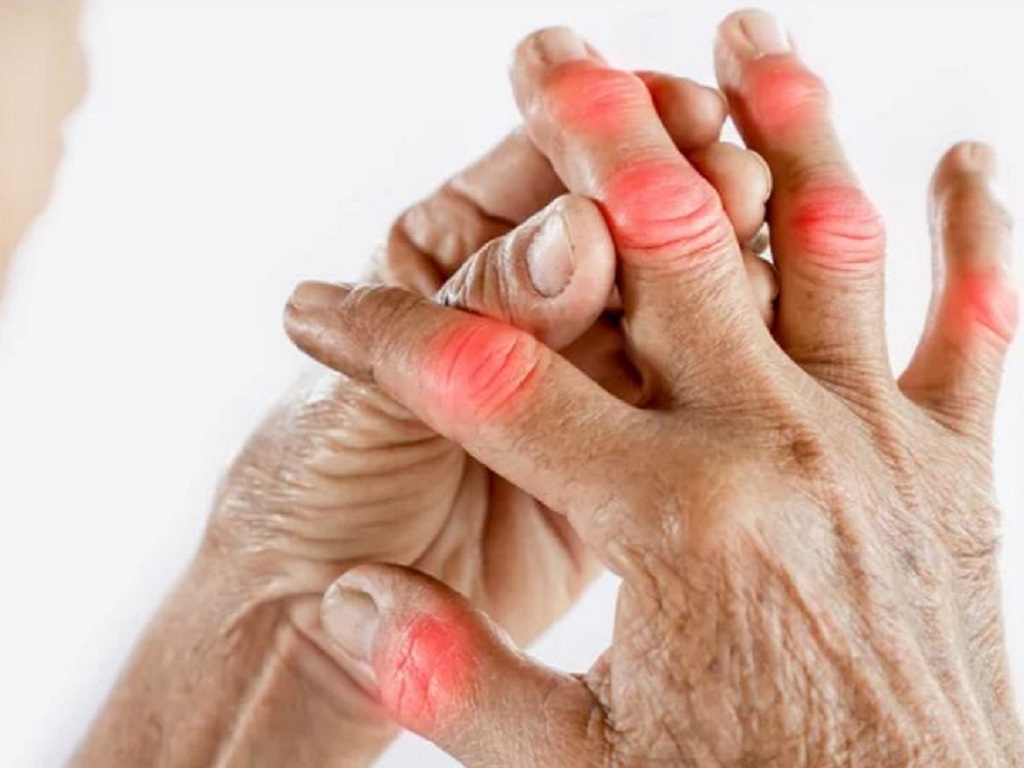
1. Persistent Joint Pain
One of the earliest and most common symptoms of arthritis is joint pain.
At first, the discomfort may seem mild or occasional. Many people assume the pain is caused by overuse, exercise, stress, or simply getting older. However, arthritis-related pain often continues or gradually worsens over time.
The pain may affect:
- Knees
- Fingers
- Hips
- Wrists
- Shoulders
- Ankles
- Lower back
Some individuals experience aching pain after activity, while others feel discomfort even during rest.
In inflammatory forms of arthritis such as rheumatoid arthritis, pain may occur on both sides of the body at the same time.
Persistent joint pain that lasts for weeks should not be ignored.
2. Morning Stiffness
Feeling stiff after waking up is another important early warning sign.
Many people with arthritis notice that their joints feel difficult to move in the morning, especially after long periods of inactivity.
This stiffness may last:
- A few minutes
- Half an hour
- Several hours in more severe cases
Morning stiffness is particularly common in inflammatory arthritis.
People may notice:
- Difficulty gripping objects
- Trouble standing up
- Reduced flexibility
- Slower movement after waking
If stiffness regularly improves only after movement or warm showers, arthritis may be a possible cause.
3. Swelling Around the Joints
Inflammation inside the joints can lead to visible swelling.
The affected area may appear:
- Puffy
- Enlarged
- Warm to the touch
- Tender
Joint swelling often happens because fluid builds up around inflamed tissues.
Swelling may come and go in early stages, making it easy to overlook.
In rheumatoid arthritis, smaller joints such as the fingers and wrists are commonly affected first.
Swollen joints should always be evaluated if they persist or occur repeatedly.

4. Reduced Range of Motion
People developing arthritis may begin noticing difficulty moving certain joints normally.
Simple daily activities may become harder, such as:
- Climbing stairs
- Opening jars
- Bending down
- Reaching overhead
- Walking long distances
Reduced flexibility often develops gradually.
Over time, untreated joint inflammation or cartilage damage may lead to permanent mobility limitations.
Paying attention to changes in movement early may help prevent worsening joint damage.
5. Joint Warmth and Redness
Inflamed joints may sometimes feel warm or appear red.
This happens because inflammation increases blood flow to the affected area.
Warmth and redness may occur alongside:
- Swelling
- Pain
- Tenderness
- Stiffness
These symptoms are especially common during arthritis flare-ups.
Sudden redness and severe pain in a joint may sometimes indicate gout or another inflammatory condition that requires prompt medical attention.
6. Fatigue and Low Energy
Many people are surprised to learn that arthritis can affect the entire body — not just the joints.
Inflammation may contribute to ongoing fatigue, particularly in autoimmune forms of arthritis such as rheumatoid arthritis or lupus-related arthritis.
People may experience:
- Constant tiredness
- Low motivation
- Brain fog
- Weakness
- Poor concentration
Chronic pain can also disrupt sleep, making fatigue even worse.
Persistent exhaustion combined with joint symptoms should not be dismissed as normal stress alone.
7. Cracking or Grinding Sensations
Some individuals notice unusual sounds or sensations when moving their joints.
This may include:
- Cracking
- Popping
- Grinding
- Clicking
In osteoarthritis, cartilage gradually wears down, allowing bones or rough joint surfaces to rub together more directly.
Although occasional joint sounds can be harmless, repeated grinding sensations accompanied by pain or stiffness may indicate joint degeneration.
Common Types of Arthritis
Understanding the different forms of arthritis may help explain why symptoms vary between individuals.
Osteoarthritis
The most common type, often related to wear and tear of joint cartilage over time.
Commonly affects:
- Knees
- Hips
- Spine
- Hands
Rheumatoid Arthritis
An autoimmune condition where the immune system attacks the joints.
Often causes:
- Symmetrical joint pain
- Swelling
- Fatigue
- Morning stiffness
Gout
A form of arthritis caused by uric acid crystal buildup.
Usually affects:
- Big toe
- Ankles
- Feet
Psoriatic Arthritis
Associated with psoriasis and may affect both the skin and joints.
What Causes Arthritis?
Several factors may increase arthritis risk.
Aging
Joint tissues naturally change over time.
Genetics
Family history may increase susceptibility.
Obesity
Excess body weight places added stress on joints.
Joint Injuries
Previous injuries may contribute to later arthritis development.
Autoimmune Disorders
Some forms result from immune system dysfunction.
Lifestyle Factors
Smoking, inactivity, and poor diet may worsen inflammation.
How Arthritis Affects Daily Life
Without proper management, arthritis can interfere with many aspects of life.
People may struggle with:
- Walking
- Working
- Sleeping
- Exercising
- Household tasks
- Hand movements
Chronic pain may also affect emotional health and increase stress or anxiety levels.
This is why early recognition and treatment are important.

Ways to Support Joint Health
Although arthritis cannot always be prevented, certain habits may help protect the joints and reduce symptoms.
Stay Physically Active
Low-impact activities such as walking, swimming, and stretching may help maintain flexibility and strength.
Maintain a Healthy Weight
Reducing excess weight lowers stress on the knees, hips, and spine.
Eat an Anti-Inflammatory Diet
Foods that may support joint health include:
- Fatty fish
- Vegetables
- Fruits
- Nuts
- Olive oil
- Whole grains
Protect the Joints
Avoid repetitive strain and use proper posture during daily activities.
Get Enough Rest
Quality sleep helps the body recover and manage inflammation.
When to See a Doctor
Medical attention should be considered if symptoms include:
- Persistent joint pain
- Swelling
- Reduced mobility
- Severe morning stiffness
- Fatigue combined with joint symptoms
- Sudden redness or intense pain
Early diagnosis may help slow disease progression and improve long-term outcomes.
Final Thoughts
- 7 Clues Your Body May Be Giving You About Arthritis
Arthritis often begins quietly, with symptoms that may seem minor at first. Joint pain, stiffness, swelling, fatigue, and reduced movement are signals the body should not ignore.
Recognizing these warning signs early may help people seek treatment sooner, protect joint health, and maintain a better quality of life over time.
Sometimes small changes in the body are early messages that deserve attention before more serious damage develops.