Hip pain is a common problem that can affect people of all ages, although it becomes more frequent with aging. Some cases are mild and temporary, often caused by muscle strain or overuse. However, persistent or worsening hip pain may sometimes signal a more serious underlying condition that requires medical attention.
Because the hip joint plays a major role in walking, balance, posture, and movement, pain in this area can significantly affect daily life and mobility. In some situations, hip pain may even indicate joint damage, nerve problems, inflammation, or bone-related conditions.
Understanding the possible causes and warning signs may help people recognize when hip pain should no longer be ignored.
-800x450.jpg)
Understanding the Hip Joint
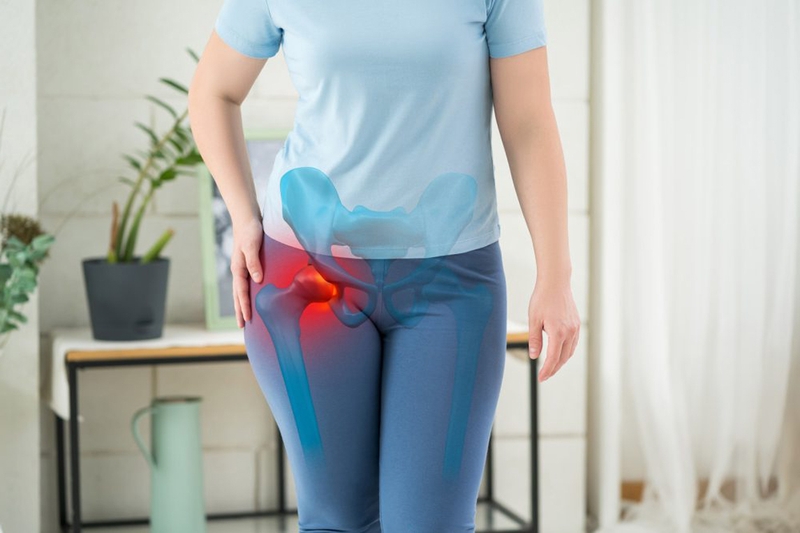
The hip is one of the largest joints in the body. It works like a ball-and-socket structure where the top of the thigh bone fits into the pelvis.
The hip joint is supported by:
- Cartilage
- Muscles
- Tendons
- Ligaments
- Nerves
- Blood vessels
Because so many structures are involved, pain can originate from different areas and may feel different depending on the cause.
Hip pain may occur:
- In the groin
- On the outer hip
- In the buttocks
- Down the thigh
- In the lower back
Sometimes pain felt in the hip actually begins elsewhere, such as the spine or pelvis.
Common Causes of Hip Pain
Many conditions may contribute to hip discomfort.
1. Osteoarthritis
Osteoarthritis is one of the most common causes of hip pain, especially in older adults.
This condition occurs when the cartilage cushioning the joint gradually wears down.
Symptoms may include:
- Stiffness
- Pain during movement
- Reduced flexibility
- Grinding sensations
- Difficulty walking
Pain often worsens over time and may become more noticeable after activity.
2. Bursitis
Small fluid-filled sacs called bursae help reduce friction around the hip joint.
When these sacs become inflamed, the condition is called bursitis.
Hip bursitis may cause:
- Pain on the outer hip
- Tenderness
- Pain while lying on one side
- Discomfort during walking or climbing stairs
Bursitis is often linked to repetitive movement or prolonged pressure on the hip.
3. Muscle or Tendon Strain
Overuse, exercise injuries, or sudden movements may strain the muscles and tendons surrounding the hip.
Symptoms may include:
- Sharp pain
- Swelling
- Tightness
- Difficulty moving
Athletes and physically active individuals commonly experience these injuries.
Most mild strains improve with rest and proper care.
4. Hip Fractures
Hip fractures are especially serious in older adults.
Falls can weaken or break the bones around the hip, particularly in people with osteoporosis.
Symptoms may include:
- Severe pain
- Inability to stand
- Swelling
- Bruising
- One leg appearing shorter
Hip fractures require immediate medical attention.
5. Sciatica and Nerve Problems
Sometimes hip pain actually originates from irritated nerves in the lower spine.
Sciatica occurs when the sciatic nerve becomes compressed.
Symptoms may include:
- Burning pain
- Tingling
- Numbness
- Pain radiating down the leg
Nerve-related pain often travels beyond the hip itself.
6. Rheumatoid Arthritis
Unlike osteoarthritis, rheumatoid arthritis is an autoimmune disease where the immune system attacks the joints.
This condition may cause:
- Joint swelling
- Warmth
- Morning stiffness
- Fatigue
- Pain on both sides of the body
Inflammation may gradually damage the hip joint if untreated.
7. Tendinitis
Tendinitis involves inflammation of the tendons connecting muscles to bones.
Repetitive movement, sports activity, or aging may increase the risk.
Symptoms often include:
- Pain during movement
- Tenderness
- Mild swelling
- Reduced flexibility
Symptoms That May Signal a More Serious Problem
Not all hip pain is dangerous, but some warning signs should never be ignored.
Persistent Pain
Pain lasting several weeks despite rest may indicate underlying joint damage or inflammation.
Difficulty Walking
If hip pain begins interfering with balance, walking, or standing, medical evaluation is important.
Pain at Night
Hip pain that worsens during sleep or wakes someone at night may suggest inflammation or more serious joint issues.
Swelling or Redness
Visible swelling, warmth, or redness around the hip may indicate infection or severe inflammation.
Fever Alongside Hip Pain
Fever combined with hip pain may suggest infection and requires urgent medical attention.
Sudden Severe Pain After Injury
Severe pain following a fall or accident could indicate fracture or dislocation.
Loss of Mobility
Difficulty moving the hip normally or reduced range of motion should not be ignored.
How Hip Pain Can Affect Daily Life
Persistent hip pain may gradually interfere with everyday activities such as:
- Walking
- Climbing stairs
- Exercising
- Sleeping
- Driving
- Sitting for long periods
Over time, chronic pain may also contribute to:
- Reduced physical activity
- Muscle weakness
- Weight gain
- Emotional stress
- Poor sleep quality
Early treatment may help prevent worsening mobility problems.
Diagnosing the Cause of Hip Pain
Doctors may use several methods to determine the source of hip pain.
These may include:
- Physical examination
- Medical history review
- X-rays
- MRI scans
- Blood tests
- Ultrasound imaging
Proper diagnosis is important because treatment depends on the underlying cause.
Ways to Support Hip Health
Healthy lifestyle habits may help protect the hips and reduce discomfort.
Maintain a Healthy Weight
Excess body weight places additional pressure on the hip joints.
Even modest weight loss may reduce joint stress significantly.
Stay Physically Active
Regular low-impact exercise may help maintain flexibility and muscle strength.
Helpful activities include:
- Walking
- Swimming
- Cycling
- Stretching
- Yoga
Strengthen Supporting Muscles
Strong muscles around the hips help stabilize the joint and reduce strain.
Improve Posture
Poor posture and improper body mechanics may worsen hip pain over time.
Wear Supportive Footwear
Proper shoes may help reduce stress on the hips and spine.

Treatment Options
Treatment varies depending on the cause and severity of symptoms.
Possible approaches include:
- Rest
- Physical therapy
- Anti-inflammatory medications
- Ice or heat therapy
- Lifestyle modifications
- Joint injections
- Surgery in severe cases
Many people improve significantly with early conservative treatment.
When to Seek Immediate Medical Help
Emergency medical attention may be necessary if hip pain is accompanied by:
- Sudden inability to walk
- Severe swelling
- Fever
- Major injury
- Deformity
- Loss of sensation
- Severe weakness
These symptoms may indicate serious complications.
The Importance of Early Attention
Many people delay seeking help because they assume hip pain is simply part of aging.
However, early diagnosis may:
- Prevent further joint damage
- Improve mobility
- Reduce pain
- Protect independence
- Improve long-term quality of life
The earlier underlying problems are identified, the better the chances of successful treatment.
Final Thoughts
Hip pain can range from mild temporary discomfort to a sign of serious joint or nerve problems. Conditions such as arthritis, bursitis, fractures, tendinitis, and nerve compression may all contribute to pain and reduced mobility.
Paying attention to symptoms like persistent pain, swelling, difficulty walking, or nighttime discomfort may help identify problems before they become more severe.
The body often gives warning signs long before major mobility loss occurs and listening to those signals early may help protect long-term movement, comfort, and independence.