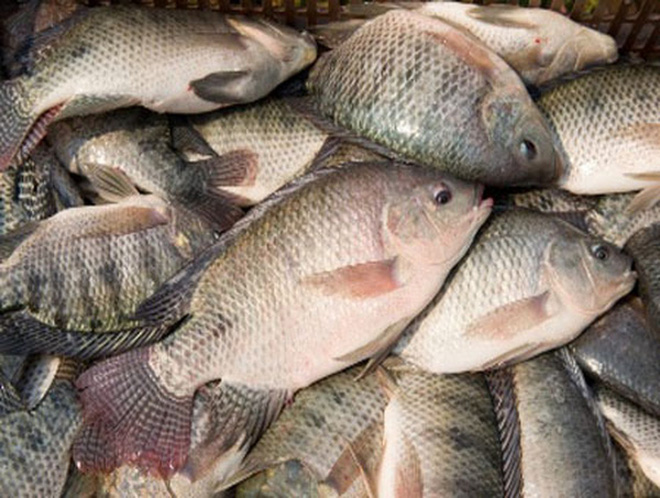
Tilapia is one of the most widely consumed fish in the world. Known for its mild flavor, affordable price, and versatility in cooking, tilapia has become a common choice in households, restaurants, and food markets across many countries.
Some people consider tilapia a healthy protein source that fits well into a balanced diet, while others raise concerns about farming practices, nutritional quality, and possible health risks. As a result, tilapia has become one of the most debated seafood choices in modern nutrition discussions.
The truth is more balanced than many extreme online claims suggest. Tilapia can provide important nutrients and health benefits when sourced and prepared properly, but there are also legitimate concerns consumers should understand before eating it regularly.
Here is a detailed look at the potential advantages and risks of consuming tilapia fish.

What Is Tilapia?
Tilapia refers to several species of freshwater fish that belong to the cichlid family.
It is commonly farmed in:
- Asia
- Africa
- Latin America
- The United States
Tilapia grows quickly and adapts easily to farming environments, which makes it relatively inexpensive compared to many other types of fish.
Its mild taste and soft texture make it popular for:
- Grilling
- Baking
- Frying
- Soups
- Fish tacos
- Rice dishes
Nutritional Value of Tilapia
Tilapia is considered a lean source of protein.
A typical serving provides:
- High-quality protein
- Vitamin B12
- Selenium
- Phosphorus
- Niacin
- Potassium
Tilapia is also relatively low in:
- Calories
- Saturated fat
- Carbohydrates
Protein is essential for:
- Muscle maintenance
- Tissue repair
- Immune function
- Energy balance
Because of its high protein content and relatively low calorie count, tilapia is often included in weight-management diets.
Potential Health Benefits of Eating Tilapia
1. High in Lean Protein
One of tilapia’s biggest advantages is its protein content.
Protein helps support:
- Muscle growth
- Satiety
- Metabolism
- Recovery after exercise
Eating adequate protein may help people feel fuller longer, which can support healthy eating habits.
Tilapia provides substantial protein without excessive calories, making it attractive for many health-conscious individuals.
2. Lower Mercury Compared to Some Fish
Certain large fish species may contain higher mercury levels because they accumulate mercury over time.
Tilapia generally contains lower mercury levels than:
- Shark
- Swordfish
- King mackerel
- Some tuna species
This makes tilapia a more accessible option for individuals trying to reduce mercury exposure while still eating seafood.
3. Affordable and Widely Available
Many healthy foods are expensive or difficult to access consistently.
Tilapia is often:
- Budget-friendly
- Easy to find
- Quick to prepare
This accessibility may help more people include fish protein in their diets.

4. Contains Important Nutrients
Tilapia contains nutrients that support overall health.
Selenium
Selenium acts as an antioxidant and supports immune function.
Vitamin B12
Vitamin B12 helps support nerve health and red blood cell production.
Phosphorus
Phosphorus supports bone and cellular health.
Although tilapia is not as nutrient-dense as some fatty fish, it still provides several beneficial nutrients.
Concerns and Potential Risks Associated With Tilapia
Despite its advantages, tilapia also has several concerns people should understand.
1. Lower Omega-3 Content Than Fatty Fish
One criticism of tilapia is that it contains lower levels of omega-3 fatty acids compared to fish such as:
- Salmon
- Sardines
- Mackerel
- Trout
Omega-3 fatty acids may help support:
- Heart health
- Brain function
- Inflammation balance
Tilapia contains some omega-3s, but far less than oily fish.
For people specifically seeking omega-3 benefits, other fish choices may provide greater nutritional value.
2. Omega-6 to Omega-3 Balance Concerns
Some researchers have raised concerns that farmed tilapia may contain relatively higher omega-6 fatty acid levels compared to omega-3s.
Excessive omega-6 intake combined with low omega-3 intake may contribute to inflammatory imbalance in some dietary patterns.
However, the impact depends heavily on:
- Overall diet quality
- Cooking methods
- Portion size
- Frequency of consumption
Tilapia itself is not necessarily harmful, but balance within the overall diet remains important.
3. Farming Practice Concerns
One of the biggest debates surrounding tilapia involves fish farming conditions.
Some poorly regulated fish farms may involve:
- Overcrowding
- Water contamination
- Excessive antibiotic use
- Poor feed quality
The quality and safety of tilapia can vary significantly depending on where and how it is farmed.
Consumers are often encouraged to purchase fish from reputable sources with stronger safety and environmental standards.
4. Potential Contaminants
Like many seafood products, tilapia may occasionally contain contaminants depending on farming or water conditions.
Possible concerns may include:
- Heavy metals
- Industrial pollutants
- Chemical residues
Regulatory systems in many countries monitor seafood safety, but quality control standards vary globally.
Choosing responsibly sourced fish may help reduce these risks.

5. Fried Tilapia and Unhealthy Preparation Methods
The health impact of tilapia also depends heavily on how it is cooked.
Tilapia that is:
- Deep-fried
- Covered in heavy batter
- Cooked in unhealthy oils
- Served with processed side dishes
may become far less healthy.
In contrast, healthier cooking methods include:
- Baking
- Grilling
- Steaming
- Air frying
Cooking style often matters as much as the food itself.
Is Farmed Tilapia Safe?
Not all farmed fish are equal.
Many tilapia farms follow strict safety standards and produce fish considered safe for consumption.
However, concerns are more likely when fish comes from poorly regulated farming systems.
Consumers may prefer tilapia certified by recognized sustainability or seafood safety organizations.
Checking product sourcing information may help people make more informed choices.
Tilapia vs. Other Fish
Compared with fatty fish like salmon, tilapia offers:
- Less omega-3
- Fewer healthy fats
- Lower calorie density
However, tilapia is also:
- Lower in mercury
- More affordable
- Milder in taste
- Easier for some people to prepare
Each type of fish has different nutritional strengths.
A varied seafood diet may provide broader nutritional benefits.
Who May Need Extra Caution?
Some individuals may want to be more selective about fish intake.
These may include:
- Pregnant women
- People with seafood allergies
- Individuals with compromised immune systems
Following food safety guidelines and choosing trusted seafood sources is especially important for vulnerable groups.
Healthy Ways to Prepare Tilapia
Tilapia can fit into a healthy meal when combined with nutritious ingredients.
Better preparation ideas include:
- Grilled tilapia with vegetables
- Baked tilapia with herbs and lemon
- Fish tacos with cabbage slaw
- Tilapia with brown rice and greens
Using herbs, garlic, olive oil, and vegetables may improve both flavor and nutritional balance.
The Importance of Dietary Balance
No single food determines overall health.
Tilapia can be part of a balanced diet when consumed alongside:
- Fruits
- Vegetables
- Whole grains
- Healthy fats
- Other protein sources
Problems often arise when diets rely heavily on processed foods, excess sodium, sugary drinks, or unhealthy cooking methods.
Balanced nutrition remains more important than focusing on one individual food.
Final Thoughts
Tilapia offers several nutritional advantages, including lean protein, affordability, and important vitamins and minerals. It may be a practical seafood option for many people, especially when prepared using healthy cooking methods.
At the same time, concerns about farming practices, lower omega-3 content, and sourcing quality should not be ignored. Choosing responsibly sourced tilapia and maintaining a balanced diet may help reduce potential risks.
Rather than viewing tilapia as either “perfect” or “dangerous,” a more realistic approach recognizes both its benefits and limitations within the context of overall nutrition and lifestyle choices.