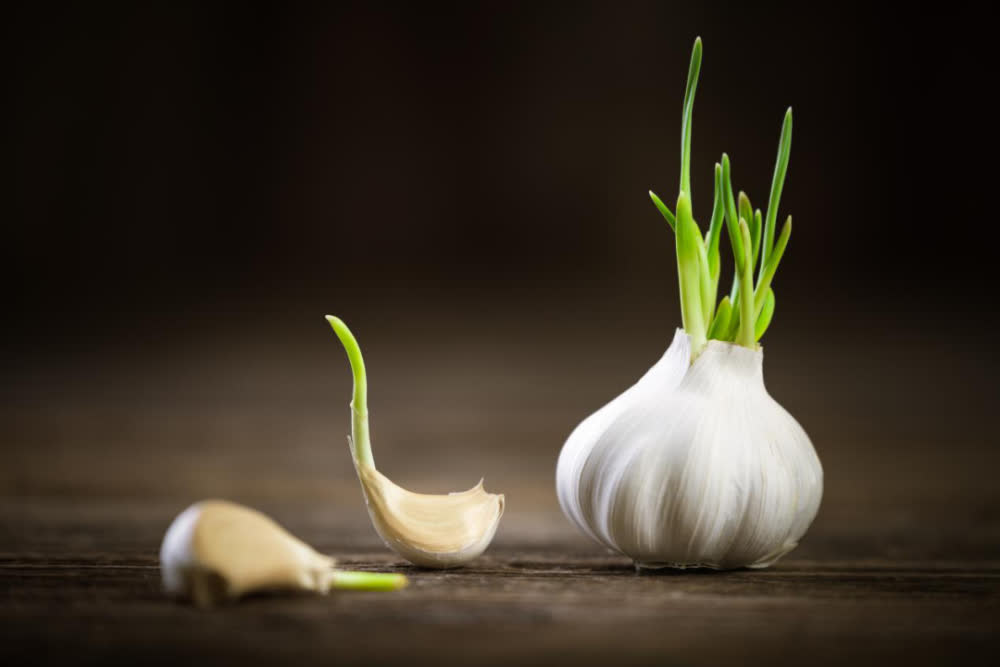
Many people feel uneasy when they open their kitchen cupboard and discover that their garlic bulbs have started to sprout. The small green shoots emerging from the cloves often lead people to believe that the garlic has gone bad or lost its value. As a result, sprouted garlic is frequently thrown away without a second thought.
However, what many people do not realize is that sprouted garlic may still hold significant nutritional value. In fact, some studies suggest that garlic which has begun to sprout can contain increased levels of certain beneficial compounds. While sprouted garlic does not become a miracle cure or a replacement for medical treatment, it can still be a valuable addition to a healthy diet.
Understanding what happens inside garlic as it begins to sprout can help people make more informed choices and reduce unnecessary food waste.

What Happens When Garlic Starts to Sprout
Garlic, like many plant foods, is a living structure even after it has been harvested. When stored for long periods, especially in warm or humid environments, the garlic clove may begin to grow a green shoot from its center.
This process is part of the plant's natural life cycle. The sprout is preparing to grow into a new garlic plant.
During this stage, the garlic undergoes certain biochemical changes. Researchers have observed that sprouting can stimulate the production of additional antioxidants and protective compounds within the clove.
These compounds help protect the young plant during its early growth stages, and they may also provide health-supporting benefits when consumed.
Garlic’s Natural Bioactive Compounds
Garlic has long been valued for its rich composition of bioactive substances. Some of the most notable compounds include:
-
Allicin
-
Sulfur-containing compounds
-
Flavonoids
-
Polyphenols
-
S-allyl cysteine
These substances contribute to garlic’s distinctive aroma and flavor, as well as its widely studied health-supporting properties.
Many of these compounds are associated with antioxidant and anti-inflammatory effects, which play important roles in maintaining overall health.
Increased Antioxidant Activity in Sprouted Garlic
One interesting discovery made by researchers is that sprouted garlic may show increased antioxidant activity compared to fresh, unsprouted cloves.
Antioxidants are molecules that help neutralize free radicals in the body. Free radicals are unstable molecules produced during normal metabolism and exposure to environmental stressors such as pollution, smoking, or radiation.
When free radicals accumulate, they may contribute to cellular damage and aging.
The additional antioxidant activity found in sprouted garlic may help support the body’s natural defenses against oxidative stress.
Potential Cardiovascular Benefits
Garlic has been widely studied for its potential effects on heart health.
Some research suggests that garlic consumption may help support:
-
Healthy blood circulation
-
Balanced cholesterol levels
-
Normal blood pressure
The sulfur compounds found in garlic may contribute to these effects by supporting blood vessel function and helping reduce inflammation.
Although sprouted garlic has not been studied as extensively as fresh garlic, its enhanced antioxidant profile may still support cardiovascular wellness.
Support for the Immune System
Garlic has traditionally been used in many cultures as a natural support for immune function.
Certain compounds in garlic may help stimulate immune responses and assist the body in defending against microbial threats.
Sprouted garlic may still contain these beneficial compounds, making it a useful ingredient in meals, especially during seasons when immune support is important.
Anti-Inflammatory Properties
Chronic inflammation has been linked to many long-term health conditions. Garlic contains compounds that may help regulate inflammatory responses in the body.
These effects are believed to be related to sulfur-containing molecules that interact with various biological pathways.
Including garlic in the diet may help support the body’s natural ability to manage inflammation.
Flavor Changes in Sprouted Garlic
One noticeable difference with sprouted garlic is its flavor.
The green sprout inside the clove can sometimes taste slightly bitter compared to fresh garlic. Because of this, some cooks prefer to remove the sprout before using the clove in recipes.
However, the rest of the garlic clove remains usable and can still add flavor and nutritional value to dishes.
Removing the sprout is optional and mainly a matter of taste preference.
When Sprouted Garlic Should Be Discarded
Although sprouted garlic can still be used, there are situations when it is better to throw it away.
Garlic should be discarded if it shows signs of:
-
Mold
-
Soft or mushy texture
-
Strong unpleasant odor
-
Excessive dryness or shriveling
These signs indicate that the garlic has deteriorated and is no longer suitable for consumption.
Ways to Use Sprouted Garlic in Cooking
Sprouted garlic can still be used in many recipes just like fresh garlic.
Common uses include:
-
Stir-fries
-
Soups
-
Pasta sauces
-
Roasted vegetables
-
Salad dressings
Cooking garlic helps mellow its flavor while preserving many of its beneficial compounds.
For people who enjoy gardening, sprouted garlic cloves can also be planted in soil to grow new garlic plants.
Reducing Food Waste in the Kitchen
Throwing away food simply because it has changed slightly is a common source of unnecessary waste. Learning how to recognize when food is still safe and useful can help households reduce waste and save money.
Sprouted garlic is a good example of a food that often gets discarded even though it still has value.
By understanding the natural processes behind sprouting, people can make better use of the foods they already have.
A Balanced Perspective
It is important to approach health claims about foods with realistic expectations. While garlic contains beneficial compounds, no single food can prevent or cure serious diseases on its own.
The true benefits of garlic come when it is included as part of a balanced diet rich in fruits, vegetables, whole grains, and healthy proteins.
Sprouted garlic should be viewed as a nutritious ingredient rather than a miracle remedy.

Final Thoughts
Finding sprouted garlic in your kitchen does not mean it has lost its value. In many cases, it may still contain important compounds that support health and nutrition.
Rather than throwing it away immediately, take a closer look. If the garlic is still firm and free from spoilage, it can still be used in cooking or even planted to grow new garlic.
Sometimes, what appears to be a sign of aging in food is actually part of its natural life cycle—one that may still offer benefits when used wisely.