Both canned beans and dried beans are rich in nutrients that benefit the heart, digestive system, and weight management when consumed properly. While there are some differences in their nutritional content, both types offer excellent health benefits. Let's explore how they compare and which option might be best for your needs.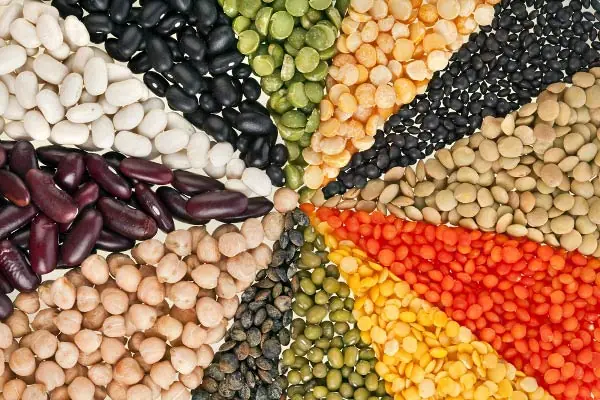
Nutritional Differences Between Dried Beans and Canned Beans
According to Dr. Lauri Wright, Director of the Nutrition Program and Associate Professor at the University of South Florida, both dried and canned beans are excellent sources of plant-based protein, fiber, potassium, magnesium, iron, and folate. However, dried beans have slightly higher levels of fiber, potassium, and magnesium compared to canned beans.
The most significant difference between the two lies in their sodium content. Most canned beans are packed with salt for preservation purposes, which can significantly increase their sodium content. On the other hand, dried beans do not contain sodium unless added during cooking. Dr. Wright recommends rinsing canned beans thoroughly to reduce the sodium content by up to one-third.
Dried Beans: More Nutrient-Dense and Easier to Digest
While both types of beans are beneficial, dried beans tend to be more nutrient-dense and easier to digest, especially for those who often experience bloating. Nutrition expert Amanda Sauceda, a professor at California State University, Long Beach, explains: “Soaking dried beans allows the carbohydrates that cause gas to leach into the soaking water. By discarding this water and cooking the beans in fresh water, the beans are easier on the stomach and more digestible.”
The high fiber content in beans is one of the main reasons they help improve digestion and promote gut health. The soluble fiber in beans also helps lower LDL cholesterol (bad cholesterol), stabilize blood sugar levels, curb hunger, and support weight management. Additionally, beans are an excellent source of potassium and magnesium, both of which play a crucial role in regulating blood pressure and promoting cardiovascular health.
Canned Beans: A Convenient and Time-Saving Option
Despite the slight nutritional difference, canned beans have a key advantage: convenience. They are quick and easy to use. All you need to do is heat and they’re ready to go, making them a perfect option for busy individuals who still want to include fiber-rich foods in their diet. Canned beans are a great time-saver, especially if you have a hectic schedule but still want to prioritize your health.
Dr. Sauceda adds: “The advantage of canned beans is that they save you time, which is especially beneficial for those who want to incorporate more fiber into their diet without spending too much time in the kitchen.”
Choosing the Right Beans for Your Needs
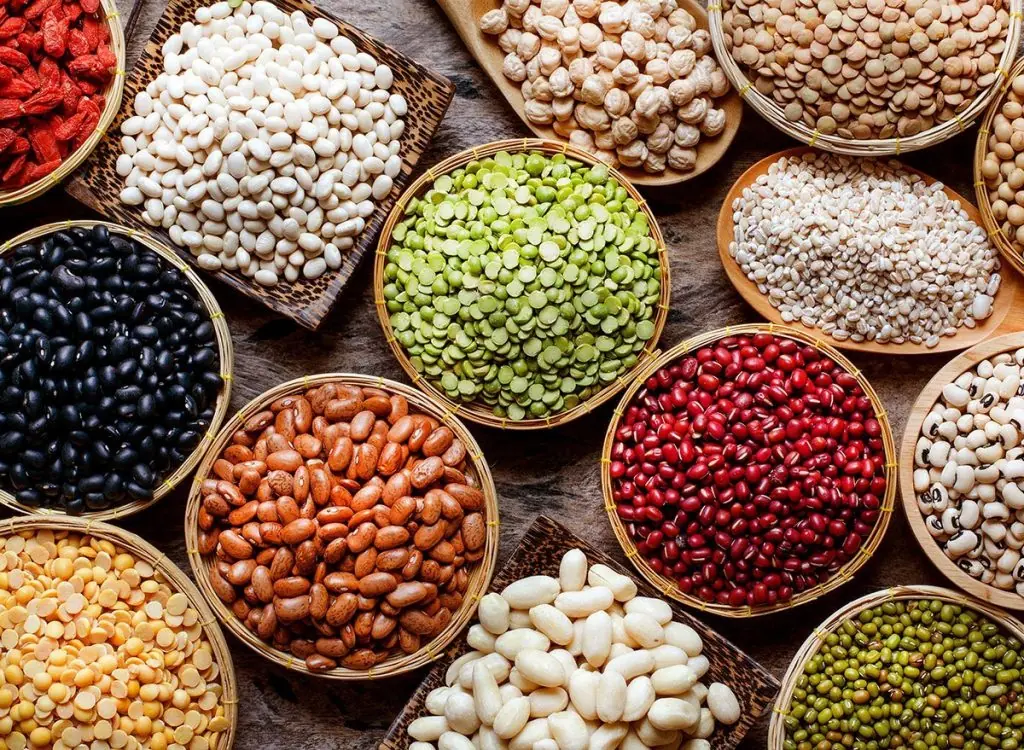
Ultimately, the choice between dried beans and canned beans depends on your personal needs and preferences:
-
If you need to control sodium intake, dried beans are the better option, as they contain no added salt. Alternatively, you can opt for low-sodium canned beans or rinse regular canned beans thoroughly to reduce their sodium content.
-
If convenience is a priority, canned beans are an excellent choice, as they require no soaking or long cooking times. Simply heat them up and they’re ready to eat.
Health Benefits of Beans
Both dried and canned beans offer tremendous health benefits:
-
Digestive Health: The fiber in beans promotes a healthy digestive system and helps prevent constipation.
-
Heart Health: Beans help reduce bad cholesterol (LDL), lower blood pressure, and provide important nutrients like potassium and magnesium for heart health.
-
Weight Management: The high fiber content in beans helps you feel fuller for longer, reducing the likelihood of overeating and helping with weight control.
Conclusion: Both Options Have Their Benefits
Whether you choose dried beans or canned beans, both are nutrient-rich, affordable, and easy to prepare. They provide essential nutrients that improve digestion, heart health, and overall wellness. If you have more time to cook and want to avoid sodium, dried beans are the way to go. However, if convenience is key, canned beans can still be a healthy and quick option.
Remember, beans are a superfood that can help improve your health in a variety of ways — no matter which form you choose.