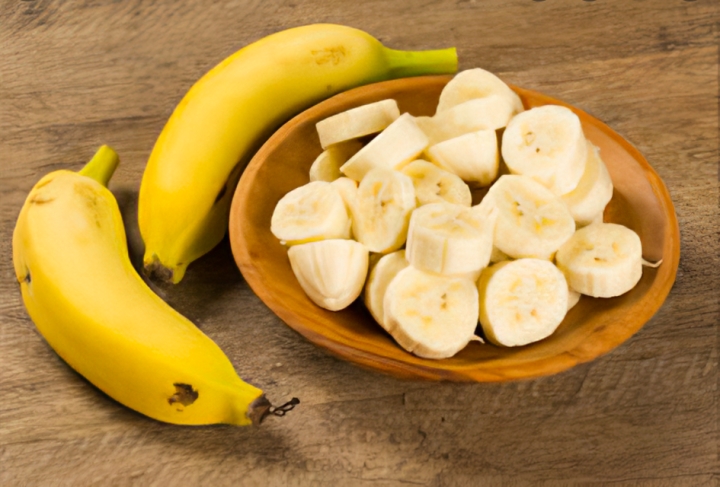
Banana is one of the world’s most popular fruits and for good reason. Bananas are convenient, naturally sweet, rich in nutrients, and easy to include in daily meals. They contain:
- Fiber
- Potassium
- Vitamin B6
- Natural carbohydrates for energy
But despite being healthy, many people worry that bananas may cause weight gain or spike blood sugar levels. The truth is that timing and portion balance matter just as much as the fruit itself.
When eaten strategically, bananas may actually support:
- Better digestion
- Longer-lasting fullness
- Stable energy levels
- Healthier eating habits
Here are five of the best times to eat bananas for maximum benefits.
1. In the Morning With Protein for Long-Lasting Energy

Eating a banana in the morning can provide a gentle source of natural carbohydrates to help fuel the body after fasting overnight.
However, eating bananas completely alone may cause faster blood sugar fluctuations in some people.
A smarter approach is pairing them with:
- Greek yogurt
- Nuts
- Peanut butter
- Eggs
- Oatmeal
This combination slows digestion and helps maintain more stable energy levels throughout the morning.
Why It Helps
- Fiber supports fullness
- Protein reduces rapid sugar absorption
- Potassium helps muscle and nerve function
2. Before a Workout for Natural Energy
Bananas are often considered one of the best natural pre-workout snacks.
They provide:
- Quick but relatively steady energy
- Easily digestible carbohydrates
- Potassium that supports muscle function
Eating a banana about:
- 30–60 minutes before exercise
may help improve stamina and reduce feelings of fatigue during workouts.
This timing also allows the body to use the fruit’s natural sugars as fuel rather than storing excess energy.
3. As a Midday Snack to Prevent Overeating
Many people experience strong cravings between meals, especially in the afternoon.
Instead of reaching for processed snacks, a banana paired with:
- Almonds
- Walnuts
- Seeds
- Cheese
can help control hunger naturally.
Why This Timing Works
Bananas contain fiber and resistant starch (especially slightly green bananas), which may:
- Slow digestion
- Improve satiety
- Reduce unnecessary snacking
This can indirectly support weight management over time.
4. After Exercise for Recovery
After physical activity, the body needs to replenish energy stores.
Bananas are useful post-workout because they help restore:
- Glycogen (stored energy)
- Electrolytes like potassium
Combining bananas with protein after exercise may support:
- Muscle recovery
- Reduced fatigue
- Better energy restoration
Good pairings include:
- Protein smoothies
- Milk
- Yogurt
- Cottage cheese
5. Earlier in the Evening Instead of Sugary Desserts
If you often crave sweets at night, bananas can be a healthier alternative to:
- Ice cream
- Candy
- Processed desserts
Their natural sweetness may help satisfy cravings while providing fiber and nutrients instead of heavily processed sugar.
However, eating them earlier in the evening - rather than right before bed is often a better choice for digestion and blood sugar balance.

Green vs. Ripe Bananas: Does It Matter?
Yes, ripeness changes how bananas affect the body.
Slightly Green Bananas
- Higher in resistant starch
- Slower digestion
- Lower glycemic impact
Very Ripe Bananas
- Sweeter
- Easier to digest
- Higher natural sugar availability
People concerned about blood sugar may prefer bananas that are not overly ripe.
Can Bananas Help With Weight Management?
Bananas themselves do not automatically cause weight gain.
Weight management depends more on:
- Total calorie intake
- Overall diet quality
- Activity levels
- Portion balance
In fact, bananas may support healthier eating by:
- Reducing cravings
- Providing fullness
- Replacing processed snacks
The key is moderation and smart pairing.
Tips for Eating Bananas Without Large Blood Sugar Spikes
To support steadier glucose levels:
- Pair bananas with protein or healthy fats
- Avoid eating multiple bananas at once
- Choose less ripe bananas if needed
- Combine with high-fiber foods
This helps slow sugar absorption and improve satiety.
Final Thoughts
Bananas can absolutely fit into a healthy lifestyle when eaten thoughtfully. Timing, portion size, and food combinations all influence how they affect energy, hunger, digestion, and blood sugar.
Whether enjoyed before workouts, as a balanced snack, or as a healthier dessert alternative, bananas remain one of the most practical and nutritious fruits available.
The goal isn’t to avoid bananas - it’s to eat them in ways that best support your body and daily routine.