Clapping Your Hands Raw But Still Can’t Pick a Good Watermelon? Learn These 8 Foolproof Tips and Never Get It Wrong Again!
Tired of tapping watermelons at the market until your hand hurts, only to end up with one that’s pale and bland? Don’t let your money go to waste! If you want to pick a top-quality watermelon—with vibrant red flesh, honey-like sweetness, and a thin rind—whether for eating or selling, memorize these 8 foolproof tips!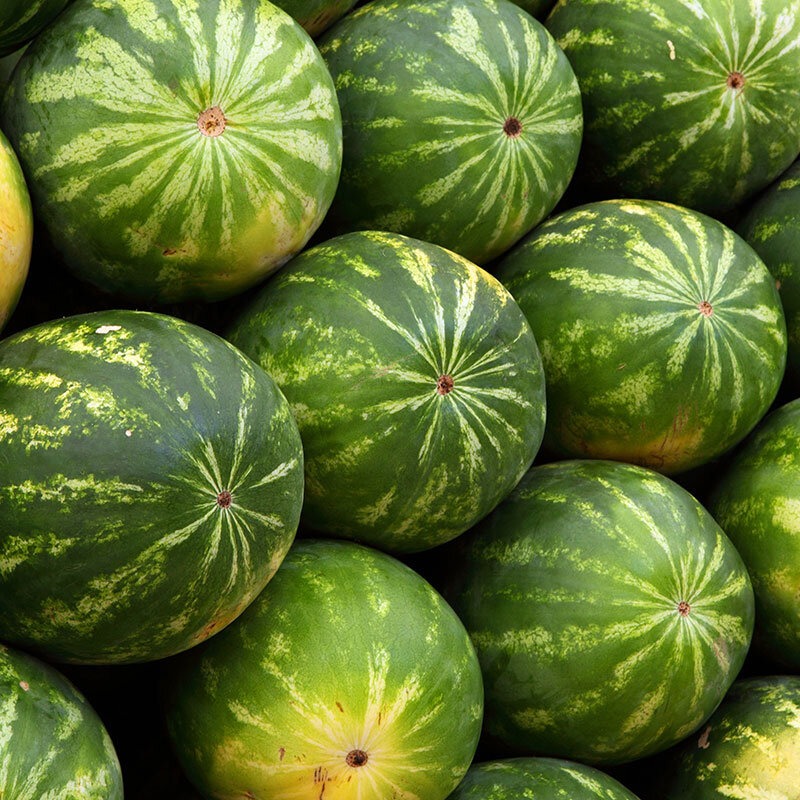
Every summer, watermelon becomes the “star” of the dining table, offering a sweet, cooling treat to beat the heat. But not everyone knows how to pick a watermelon that’s perfectly ripe, juicy, and sweet. Without the right tricks, you could tap away endlessly and still end up with a dud. No worries—these 8 tips will turn you into a watermelon-picking pro, guaranteed to bring home the best melon every time!
1. Look at the Rind: Bold, Shiny Stripes Signal Quality
A top-notch watermelon usually has distinct green and white stripes that look like they were drawn with a pencil. The green should be dark and glossy, almost like it's been polished. These are typically signs of red, juicy, and flavorful flesh. If the rind looks dull, the stripes are faded, or there are bruises, skip it—it’s likely to be bland and disappointing.
2. Check the Underside: Golden Yellow Means Ripe, Pale White Means Immature
Flip the watermelon and inspect the underside—the part that was in contact with the ground. If it's a rich, golden yellow and slightly sunken, that’s a sign the melon ripened naturally on the vine. A pale or greenish bottom means it was picked too early, and it will likely be underwhelming in taste, full of white seeds and lacking sweetness.
3. Tap Test: Deep “Pop-Pop” Sound is Best, Hollow “Boom-Boom” is Bad
Tap the watermelon and listen carefully. A deep, solid "pop-pop" sound indicates dense, juicy, red flesh—congratulations, it’s a winner! But if it sounds hollow, like tapping an empty drum, beware—it could be airy, overripe, or dry inside. You don’t need to slap till your hand turns red—just listen closely!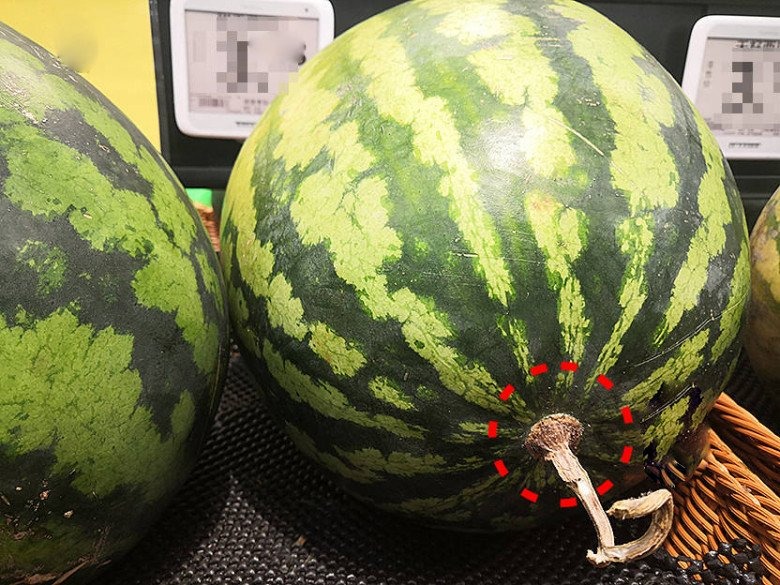
4. Check the Stem: Dry and Brown Means Ripe, Green Means Immature
The stem of the watermelon reveals its ripeness. A naturally ripened watermelon will have a dry, shriveled, brownish stem—like a dried twig—signaling peak sweetness. If it’s still green and shiny, the melon was picked early or force-ripened, and the flavor will be dull and watery. Go for the dry-stemmed ones for the best taste.
5. Weigh the Fruit: Heavy Means Juicy, Light Means Letdown
A good watermelon feels heavy for its size. When you lift it and feel a nice “heft” in your hand, it usually means the melon is packed with juicy, sweet flesh. On the other hand, if it feels light and hollow despite being large, it’s likely to be spongy and dry. Trust your hands—weight matters!
6. Smell Test: Sweet Fragrance is a Good Sign, Harsh Smell is a Red Flag
Naturally ripened watermelons give off a mild, sweet aroma—especially noticeable at the base. If you catch that pleasant scent, you’ve likely found “the one”! But if it smells sour, sharp, or has no scent at all, it may have been chemically ripened or stored too long. A fragrant melon makes for a perfect meal addition.
7. Shape Matters: Round and Slightly Oval is Best
Top-quality watermelons tend to be round or gently oval with a smooth, symmetrical shape. Avoid ones that are oddly shaped or lumpy—they often have internal flaws, less flesh, or uneven ripening. A well-shaped melon usually means thin rind, red interior, and full flavor. When you slice it open, the whole family will be wowed!
8. Pick the Right Season: Summer is Prime, Winter is Risky
Summer—especially from May to August—is watermelon season. You’ll find the best quality during this time: juicy red flesh, full flavor, and reasonable prices (typically 10,000–15,000 VND/kg). In contrast, off-season watermelons in winter are often less sweet and more expensive. Ask sellers if it's in season to make sure you're buying at the right time.
Bonus Tips for Picking Delicious Watermelons at the Market:
-
Go Early in the Morning: The freshest, highest-quality watermelons usually arrive in the morning. Go early to pick from the best stock—firm, glossy-skinned, and freshly harvested.
-
Store Properly: After buying, keep the watermelon in a cool, shaded place. Avoid direct sunlight to maintain freshness. If not eating right away, wrap it tightly and store it in the fridge to preserve sweetness for 3–5 days.
-
Avoid Chemically-Ripened Fruit: Watermelons that have been force-ripened often have an unnaturally shiny green skin, a fresh green stem, and a harsh smell. Always choose naturally ripened melons to ensure safety and taste for your whole family.