Oregano is one of the most popular culinary herbs in the world. Commonly associated with Mediterranean cuisine, pizza, pasta sauces, and grilled dishes, oregano has been valued for centuries not only for its distinctive flavor but also for its traditional uses in wellness practices.
In recent years, oregano has gained attention on social media, where claims often suggest that consuming just one oregano leaf a day can dramatically improve health. While oregano does contain beneficial plant compounds and valuable nutrients, it's important to separate evidence-based information from exaggerated promises.
So, could adding a small amount of oregano to your daily routine offer health benefits? The answer may be yes—but probably not in the miraculous way some online posts suggest.
Let's explore what science currently knows about this aromatic herb.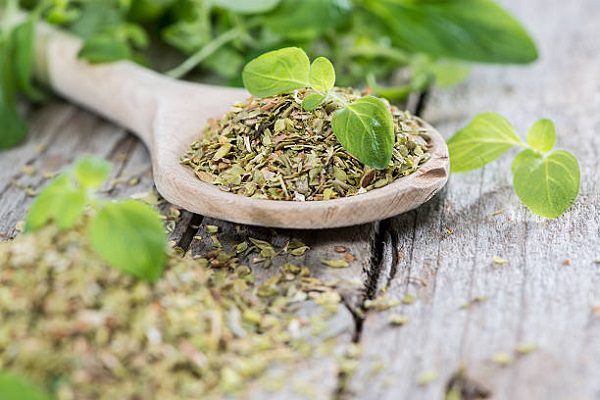
What Is Oregano?
Oregano is a perennial herb belonging to the mint family.
It is commonly used fresh or dried in a variety of cuisines, especially:
- Mediterranean dishes
- Italian recipes
- Greek cooking
- Mexican cuisine
The herb is prized for its warm, slightly peppery flavor and fragrant aroma.
Its scientific name is Origanum vulgare.
Beyond its culinary appeal, oregano contains a variety of naturally occurring compounds that researchers have studied for their potential health-supporting properties.
Oregano Is Rich in Plant Compounds
One reason oregano attracts scientific interest is its impressive collection of plant-based compounds.
Among the most studied are:
Carvacrol
Carvacrol is one of oregano's primary active compounds.
Researchers have investigated its antioxidant and antimicrobial properties in laboratory settings.
Thymol
Thymol is another naturally occurring compound found in oregano.
It contributes to the herb's aroma and has been studied for various biological activities.
Rosmarinic Acid
This antioxidant compound is found in several herbs and may help protect cells from oxidative stress.
Flavonoids
Oregano also contains various flavonoids, which are plant compounds associated with antioxidant activity.
Together, these substances contribute to oregano's reputation as a nutrient-rich herb.
Potential Benefit #1: Provides Antioxidants
Antioxidants help protect cells from damage caused by unstable molecules known as free radicals.
Free radicals are naturally produced during:
- Metabolism
- Physical activity
- Exposure to pollution
- Normal aging processes
Although the body has its own defense systems, antioxidant-rich foods may help support overall health.
Oregano contains several antioxidant compounds that contribute to its nutritional value.
Adding herbs such as oregano to meals is one way to increase dietary antioxidant intake.
Potential Benefit #2: Supports a Healthy Diet
One of oregano's simplest benefits is that it can make healthy foods taste better.
Flavorful herbs often help reduce reliance on:
- Excess salt
- Heavy sauces
- High-calorie seasonings
This can support healthier eating habits over time.
For example, oregano can add flavor to:
- Vegetables
- Soups
- Salads
- Lean proteins
- Whole-grain dishes
Small dietary improvements often have a greater impact on long-term health than any single "superfood."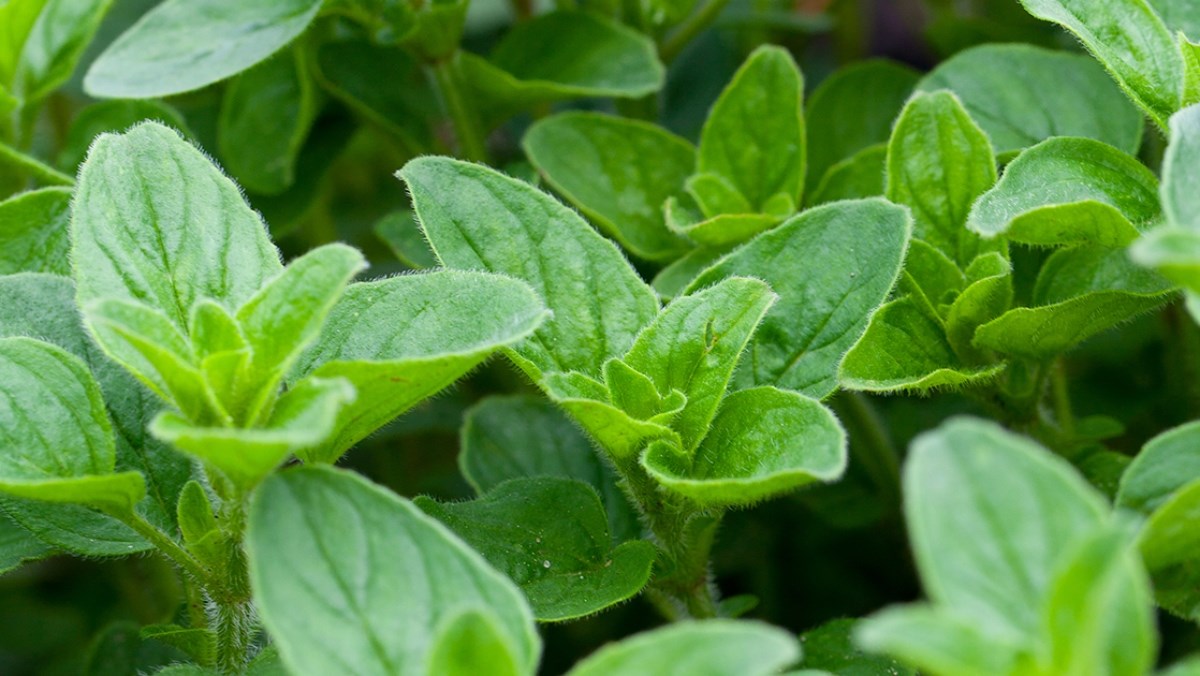
Potential Benefit #3: May Support Digestive Wellness
Traditionally, oregano has been used in various cultures as part of digestive wellness practices.
Some people enjoy oregano tea or oregano-infused foods because they find them soothing after meals.
While more research is needed to fully understand these effects, oregano continues to be widely used in traditional dietary approaches.
It's important to note that traditional use does not necessarily prove medical effectiveness, but it does explain why the herb has remained popular for centuries.
Potential Benefit #4: Contains Small Amounts of Important Nutrients
Although oregano is typically consumed in modest amounts, it does provide various nutrients.
These may include:
- Vitamin K
- Manganese
- Iron
- Calcium
- Fiber
Because serving sizes are generally small, oregano should not be relied upon as a primary nutrient source.
However, every nutrient-rich ingredient can contribute to an overall healthy eating pattern.
Potential Benefit #5: Encourages Consumption of Fresh Herbs
People who regularly use herbs often consume a wider variety of plant-based foods.
Diets rich in herbs, vegetables, fruits, legumes, and whole grains have consistently been associated with positive health outcomes.
In this sense, oregano may play a role in supporting a more diverse and nutritious diet.
Does One Oregano Leaf a Day Really Make a Difference?
This is where many online claims become exaggerated.
There is currently no scientific evidence showing that eating exactly one oregano leaf per day will:
- Prevent disease
- Cure illness
- Eliminate health problems
- Replace medical treatment
Health outcomes are influenced by many factors, including:
- Overall diet
- Physical activity
- Sleep quality
- Stress management
- Genetics
- Medical care
Oregano can be part of a healthy lifestyle, but it is not a magic solution.
Fresh Oregano vs. Dried Oregano
Both fresh and dried oregano offer benefits.
Fresh Oregano
Fresh oregano provides:
- Bright flavor
- Aromatic oils
- Attractive garnish options
Dried Oregano
Dried oregano offers:
- Longer shelf life
- Convenient storage
- Concentrated flavor
Many recipes successfully use either form.
Because drying removes water, dried oregano often has a stronger flavor by volume.
Easy Ways to Add Oregano to Your Diet
If you'd like to enjoy oregano more regularly, there are many simple options.
Sprinkle It on Vegetables
Roasted vegetables pair particularly well with oregano.
Add It to Soups
A small amount can enhance the flavor of broths and stews.
Use It in Salads
Fresh oregano leaves can add a flavorful touch to salads.
Season Lean Proteins
Chicken, fish, and legumes all work well with oregano.
Mix Into Homemade Dressings
Oregano complements olive oil and vinegar-based dressings.
Who Should Use Caution?
While oregano is generally considered safe as a culinary herb, some individuals may need to exercise caution with concentrated oregano products.
People should consult healthcare professionals before using large amounts of oregano supplements, especially if they:
- Are pregnant
- Take prescription medications
- Have known allergies
- Have specific medical conditions
The herb used in normal cooking is generally considered safe for most healthy adults.
The Bigger Picture of Healthy Living
The popularity of oregano reflects a larger truth about nutrition:
Good health is rarely the result of a single food.
Instead, health is typically supported by consistent habits such as:
- Eating a balanced diet
- Staying physically active
- Managing stress
- Getting enough sleep
- Avoiding tobacco
- Maintaining regular medical care
Herbs like oregano can certainly contribute to these efforts by making healthy foods more enjoyable and providing beneficial plant compounds.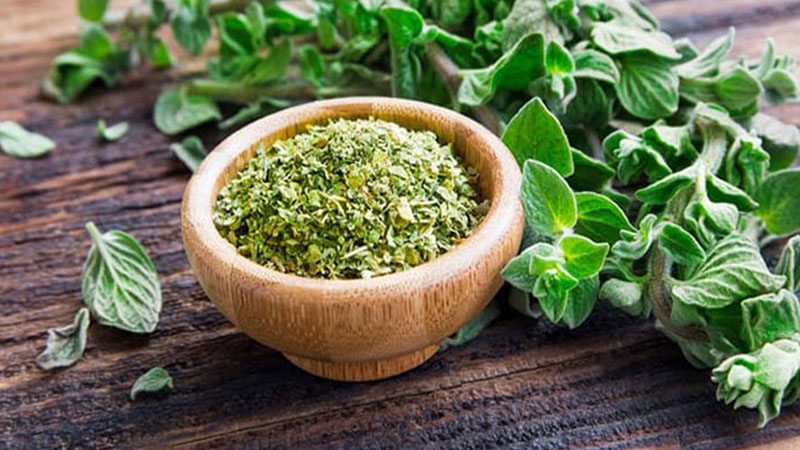
The Bottom Line
Oregano is far more than a simple seasoning. Rich in antioxidants, aromatic compounds, and nutrients, this flavorful herb may support overall wellness as part of a balanced diet. While there is no evidence that eating one oregano leaf a day can cure diseases or guarantee better health, incorporating oregano into meals can be a simple and enjoyable way to add flavor and nutritional value.
Rather than looking for miracle foods, consider oregano as one small piece of a healthy lifestyle. Combined with nutritious eating habits, regular exercise, and other positive choices, this humble herb can help contribute to long-term well-being—one delicious meal at a time.