When people think about threats to liver health, alcohol is usually the first thing that comes to mind. However, health experts are increasingly concerned about another beverage that millions of people consume every day—sugar-sweetened drinks.
Soft drinks, sweetened teas, energy drinks, flavored coffees, fruit punches, and other sugary beverages have become a regular part of modern diets. While these drinks may seem harmless, consuming them excessively over time may contribute to a range of health problems, including weight gain, elevated blood triglycerides, insulin resistance, and the development of fatty liver disease.
What makes the situation particularly concerning is that liver damage can develop gradually and silently. Many people feel perfectly healthy while fat slowly accumulates in their liver, often without any obvious symptoms.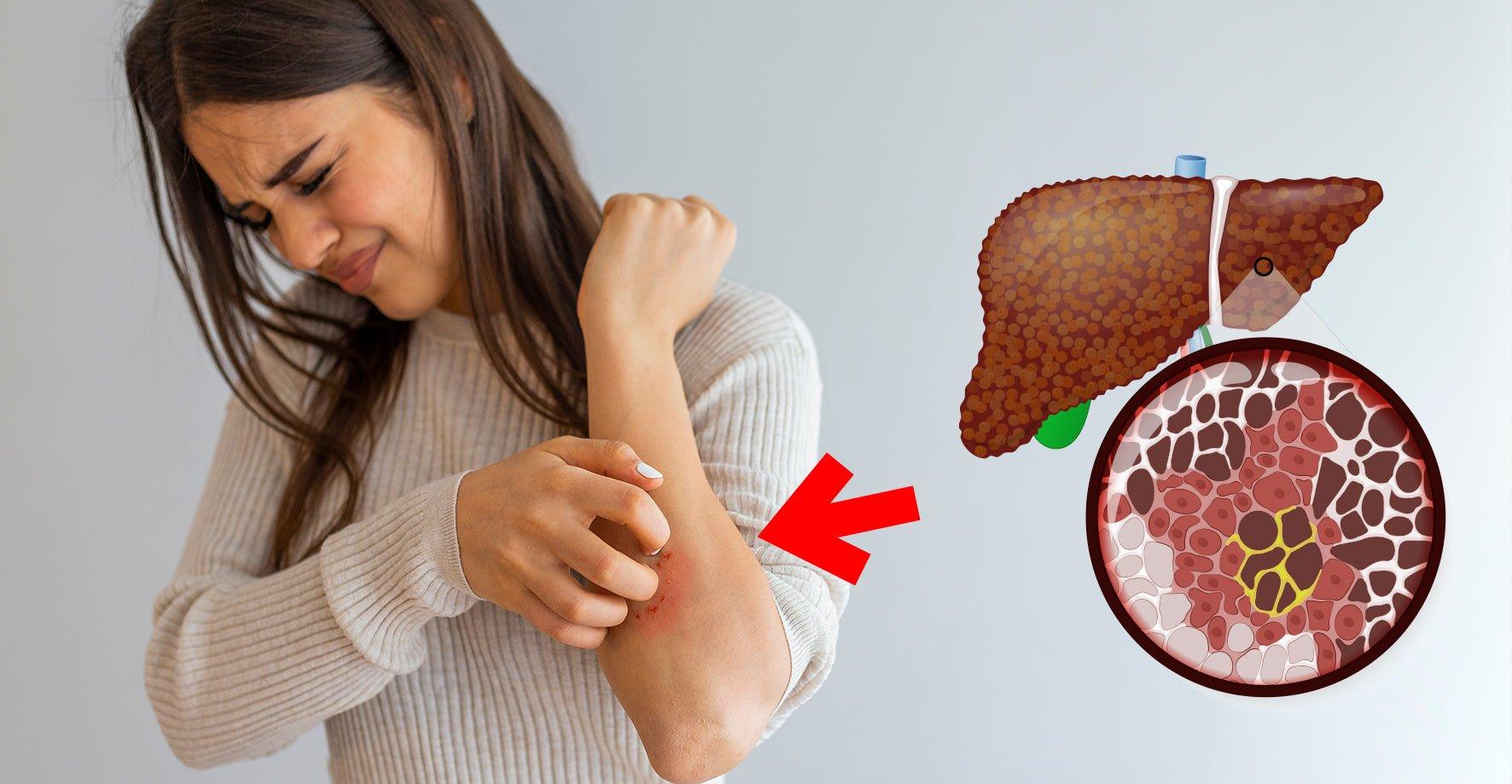
Why the Liver Matters
The liver is one of the hardest-working organs in the body.
It performs hundreds of vital functions, including:
- Processing nutrients from food
- Filtering toxins from the bloodstream
- Producing proteins needed for blood clotting
- Storing vitamins and minerals
- Regulating metabolism
- Managing cholesterol and fat production
Because the liver is involved in processing everything we eat and drink, dietary choices can have a significant impact on its long-term health.
The Hidden Problem With Sugary Drinks
Many popular beverages contain large amounts of added sugar.
Examples include:
- Regular soda
- Sweetened iced tea
- Energy drinks
- Sweetened fruit beverages
- Flavored coffee drinks
- Sports drinks
- Sweetened milk beverages
Some drinks can contain the equivalent of several teaspoons of added sugar in a single serving.
The issue isn't simply the amount of sugar. It's also how quickly liquid sugar enters the bloodstream.
Unlike solid foods, sugary drinks are often consumed rapidly and provide little feeling of fullness. As a result, people may consume large amounts of sugar without realizing it.
How Excess Sugar Affects the Liver
One ingredient commonly found in sweetened beverages is fructose.
While small amounts of fructose naturally occur in fruits, excessive intake from added sugars may place additional stress on the liver.
Unlike glucose, which can be used by many tissues throughout the body, fructose is primarily processed by the liver.
When large quantities are consumed regularly, the liver may begin converting excess fructose into fat.
Over time, this process may contribute to:
- Increased liver fat accumulation
- Elevated triglyceride levels
- Metabolic dysfunction
- Reduced insulin sensitivity
The result can be a condition known as non-alcoholic fatty liver disease (NAFLD), now increasingly referred to as metabolic dysfunction-associated steatotic liver disease (MASLD).
What Is Fatty Liver Disease?
Fatty liver disease occurs when excessive fat accumulates within liver cells.
In its early stages, fatty liver often causes no noticeable symptoms.
Many individuals discover they have the condition only after:
- Routine blood tests
- Ultrasound examinations
- Medical checkups for unrelated issues
Although early fatty liver may be reversible, ongoing fat accumulation can eventually trigger inflammation and liver damage.
In more advanced cases, complications may include:
- Liver scarring
- Reduced liver function
- Cirrhosis
- Increased risk of liver cancer
Not everyone with fatty liver develops severe disease, but prevention remains extremely important.
Signs Your Liver May Be Under Stress
One reason fatty liver disease is concerning is that symptoms often appear late.
When symptoms do occur, they may include:
Persistent Fatigue
Many individuals report feeling unusually tired or lacking energy.
Discomfort in the Upper Right Abdomen
Some people experience a feeling of fullness or mild discomfort beneath the ribs on the right side.
Unexplained Weight Gain
Weight gain around the abdomen is often associated with fatty liver disease.
Elevated Blood Test Results
Abnormal liver enzyme levels are frequently detected before symptoms develop.
Increased Blood Triglycerides
High triglyceride levels often accompany excessive liver fat accumulation.
Because these symptoms are often subtle, regular medical checkups can be valuable for early detection.
The Link Between Sugary Drinks and Blood Fat
Excessive consumption of sweetened beverages doesn't only affect the liver.
It may also contribute to elevated triglycerides, a type of fat found in the bloodstream.
High triglyceride levels have been associated with:
- Cardiovascular disease
- Metabolic syndrome
- Insulin resistance
- Increased risk of pancreatitis in severe cases
The liver plays a central role in triglyceride production, which helps explain why liver health and blood fat levels are closely connected.
Who Is Most at Risk?
Anyone can develop fatty liver disease, but certain factors increase risk.
These include:
- Excess body weight
- Type 2 diabetes
- Prediabetes
- High blood pressure
- High cholesterol
- Sedentary lifestyle
- Frequent consumption of sugary drinks
- Diets high in processed foods
Even individuals who do not consume alcohol may develop fatty liver disease if metabolic risk factors are present.
Better Beverage Choices for Liver Health
The good news is that small changes can make a meaningful difference.
Healthier beverage options include:
Water
Water remains the best choice for hydration and overall health.
Unsweetened Tea
Green tea and black tea provide antioxidants without added sugar.
Sparkling Water
For those who enjoy carbonation, unsweetened sparkling water can be a satisfying alternative.
Black Coffee
Research suggests that moderate coffee consumption may actually support liver health in some individuals.
Infused Water
Adding slices of lemon, cucumber, berries, or mint can provide flavor without excessive sugar.
Other Habits That Protect the Liver
Supporting liver health involves more than simply reducing sugary drinks.
Important lifestyle habits include:
Maintaining a Healthy Weight
Even modest weight loss may help reduce liver fat in individuals with fatty liver disease.
Exercising Regularly
Physical activity improves insulin sensitivity and supports metabolic health.
Eating More Whole Foods
Fruits, vegetables, whole grains, legumes, and lean proteins provide valuable nutrients while reducing reliance on processed foods.
Limiting Ultra-Processed Foods
Highly processed foods often contain large amounts of added sugar and unhealthy fats.
Getting Regular Checkups
Routine health screenings can help identify early signs of liver dysfunction before serious complications develop.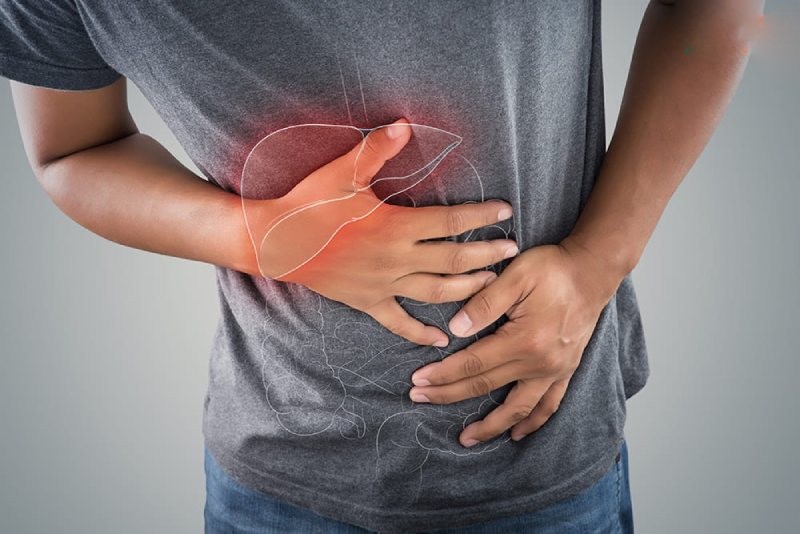
The Bottom Line
Many people assume that only alcohol threatens liver health, but excessive consumption of sugar-sweetened beverages may also place significant stress on this vital organ.
Over time, large amounts of added sugar—particularly from liquid sources—may contribute to fat accumulation in the liver, elevated triglycerides, insulin resistance, and other metabolic concerns.
The encouraging news is that the liver has a remarkable ability to recover when healthy lifestyle changes are made early. Reducing sugary drink intake, maintaining a balanced diet, staying physically active, and monitoring overall health can go a long way toward protecting liver function.
The next time you reach for a sweetened beverage, remember that what seems like a harmless daily habit could have a larger impact on your liver than you realize. Small choices made consistently today may help preserve liver health for years to come.