Garlic is one of the most widely used ingredients in kitchens around the world. Whether it's added to soups, stir-fries, sauces, marinades, or roasted vegetables, garlic brings a rich aroma and depth of flavor that can transform an ordinary meal into something memorable.
But not all garlic is created equal.
Choosing the right garlic at the store or market can make a significant difference in taste, freshness, and shelf life. While many shoppers simply grab the first bulb they see, a few simple observations can help you select garlic that lasts longer, tastes better, and performs more reliably in your cooking.
Here is what experienced cooks often look for when choosing garlic and the warning signs that may indicate a bulb is past its prime.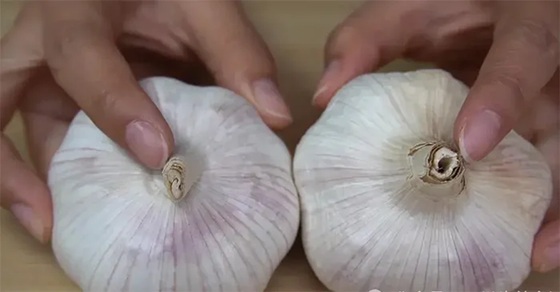
Why Garlic Quality Matters
Fresh garlic doesn't just taste better.
High-quality garlic typically offers:
- Stronger flavor
- Better aroma
- Longer storage life
- Easier peeling
- Improved texture when cooked
Poor-quality garlic, on the other hand, may be:
- Bitter
- Dry
- Moldy
- Weak in flavor
- More likely to spoil quickly
Spending a few extra seconds inspecting garlic can save money and improve the quality of your meals.
What Fresh Garlic Should Look Like
A fresh garlic bulb usually has several characteristics that indicate quality.
Firm and Solid
One of the easiest tests is to gently squeeze the bulb.
Good garlic should feel:
- Firm
- Dense
- Compact
The cloves inside should be tightly packed together.
A healthy bulb should not feel soft, hollow, or spongy.
Firmness often indicates freshness and proper storage.
Dry Outer Skin
Fresh garlic is typically covered with thin, papery skin.
The skin should appear:
- Dry
- Intact
- Slightly crisp
Dry outer layers help protect the cloves inside and often indicate that the garlic has been stored properly.
Heavy for Its Size
A good garlic bulb usually feels surprisingly heavy when compared to its size.
This weight suggests the cloves are still full of moisture and have not begun drying out.
Heavier bulbs often provide better flavor and longer storage life.
Uniform Color
Depending on the variety, garlic may appear white, off-white, purple-striped, or slightly cream-colored.
The color should generally look consistent and healthy.
Minor natural variations are normal, but major discoloration may indicate aging or damage.
Warning Sign #1: Soft Spots
One of the most important signs to avoid is softness.
If parts of the bulb feel:
- Mushy
- Soft
- Spongy
the garlic may already be deteriorating.
Soft spots often indicate:
- Internal breakdown
- Excess moisture
- Early spoilage
Garlic with soft areas typically has a shorter shelf life and may not provide the best flavor.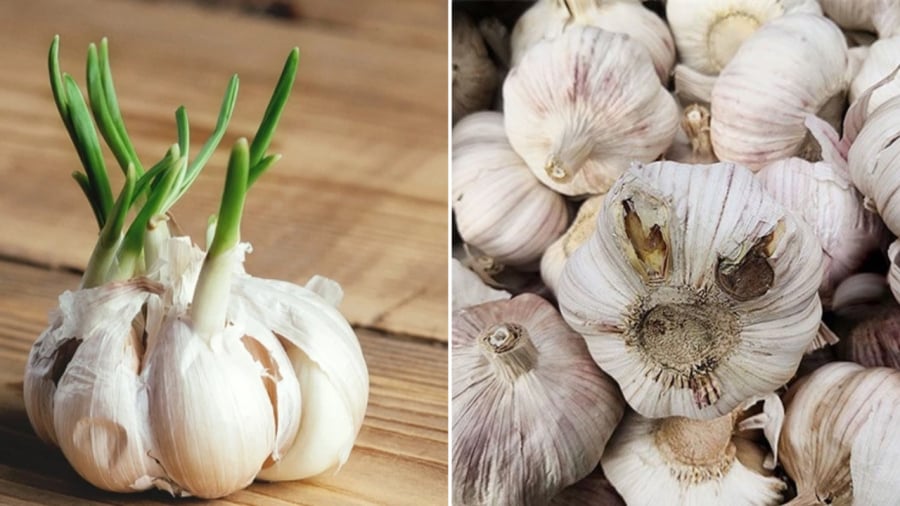
Warning Sign #2: Sprouting
Small green shoots sometimes emerge from the center of garlic cloves.
This process is known as sprouting.
Sprouted garlic is not necessarily unsafe to eat, but it often has drawbacks:
- Stronger bitterness
- Reduced freshness
- Shorter storage life
If only a tiny sprout is present, the garlic can still be used. However, when purchasing garlic, bulbs without visible sprouts are usually the better choice.
Warning Sign #3: Mold or Dark Spots
Any signs of mold should be taken seriously.
Watch for:
- Black spots
- Green mold
- Fuzzy growth
- Unusual discoloration
These may indicate moisture damage or fungal growth.
Garlic showing visible mold should generally be avoided.
Warning Sign #4: Loose or Missing Skin
The papery outer layers serve an important protective role.
Bulbs with excessive skin loss may:
- Dry out more quickly
- Spoil sooner
- Be more vulnerable to contamination
While minor peeling is normal, severely exposed cloves may not store as well.
Warning Sign #5: Strong Unpleasant Odor
Fresh garlic has a characteristic aroma, but it should not smell rotten or sour.
A strong unpleasant odor before the bulb is cut open may suggest:
- Internal decay
- Mold growth
- Excess moisture damage
Healthy garlic typically has only a mild scent until the cloves are crushed or chopped.
Warning Sign #6: Shriveled Cloves
Garlic naturally loses moisture over time.
Older bulbs may appear:
- Wrinkled
- Shrunken
- Lightweight
Shriveled cloves often indicate that the garlic has been sitting in storage for an extended period.
Although still usable in many cases, the flavor may be less vibrant.
Does Size Matter?
Many shoppers assume larger garlic bulbs are automatically better.
In reality, size is not always an indicator of quality.
Both large and small bulbs can be excellent if they are:
- Firm
- Fresh
- Properly stored
The best choice is often the bulb that feels solid and healthy rather than simply the biggest one available.
How to Store Garlic Properly
Even the best garlic can spoil quickly if stored incorrectly.
Keep It Cool
Garlic stores best in a cool environment.
Allow Airflow
Good air circulation helps prevent moisture buildup.
Avoid Refrigeration
Whole garlic bulbs generally last longer at room temperature than in the refrigerator.
Cold temperatures may encourage sprouting once the garlic is removed.
Keep It Dry
Moisture is one of garlic's biggest enemies.
A dry storage area helps extend shelf life.
Common Garlic Storage Mistakes
Many people unknowingly shorten the life of their garlic.
Common mistakes include:
Storing in Sealed Plastic Bags
Trapped moisture can accelerate spoilage.
Keeping Garlic Near Heat Sources
Warm environments may encourage sprouting.
Refrigerating Whole Bulbs
This can affect texture and storage stability.
Buying More Than Needed
Although garlic stores relatively well, purchasing excessive amounts may lead to waste.
Different Types of Garlic
Depending on where you shop, you may encounter several varieties.
Hardneck Garlic
Often prized for:
- Complex flavor
- Larger cloves
- Easier peeling
Softneck Garlic
Typically offers:
- Longer storage life
- More cloves per bulb
- Common supermarket availability
Both types can be excellent choices when fresh.
The Bottom Line
Choosing high-quality garlic doesn't require expert knowledge. A few simple observations can help you identify bulbs that offer better flavor, longer storage life, and a more enjoyable cooking experience.
Look for garlic that is firm, heavy, dry, and free from soft spots, sprouts, mold, or unpleasant odors. Avoid bulbs that feel mushy, lightweight, or visibly damaged.
By learning these simple selection tips, you can bring home fresher garlic, reduce food waste, and enjoy richer flavor in everything from soups and sauces to roasted vegetables and home-cooked meals.
Sometimes the secret to better cooking starts before you even leave the grocery store and garlic is a perfect example.