Many women are surprised the first time they notice a few coarse hairs growing on their chin. For some, it may be a single stray hair that occasionally appears. For others, the growth may become more noticeable over time, requiring frequent tweezing, waxing, or other forms of hair removal.
While chin hair is often viewed as a cosmetic concern, it can sometimes provide clues about changes occurring within the body. In many cases, a few chin hairs are completely normal and may simply be related to aging or genetics. However, sudden or excessive facial hair growth can occasionally signal hormonal changes or an underlying medical condition.
Understanding the possible causes can help women determine when chin hair is simply a normal part of life and when it may be worth discussing with a healthcare professional.
Is Chin Hair Normal for Women?
The short answer is yes.
Nearly all women have some facial hair. Most of it is fine, light-colored, and difficult to see.
However, certain areas of the face are more sensitive to hormonal influences, including:
- The chin
- Upper lip
- Jawline
- Neck
As hormone levels change throughout life, some of these fine hairs may become darker, thicker, or more noticeable.
Finding an occasional chin hair is generally not considered unusual.
The situation becomes more significant when facial hair growth increases noticeably or appears alongside other symptoms.
The Role of Hormones
Hormones are often the primary factor behind changes in facial hair growth.
Women naturally produce small amounts of hormones known as androgens, including testosterone.
Although these hormones are often associated with men, they are also important for women's health.
Androgens influence:
- Hair growth
- Muscle mass
- Bone health
- Energy levels
- Sexual function
When androgen levels increase or become more dominant relative to female hormones, facial hair growth may become more pronounced.
Cause #1: Natural Aging
One of the most common reasons women develop chin hair is simply getting older.
As women age, levels of estrogen gradually decline.
This is particularly noticeable during:
- Perimenopause
- Menopause
- Postmenopause
Even when testosterone levels remain stable, lower estrogen levels can make the effects of androgens more noticeable.
As a result, women may observe:
- More chin hairs
- Darker facial hair
- Increased hair growth on the jawline
At the same time, scalp hair may become thinner.
These changes are often a normal part of the aging process.
Cause #2: Genetics
Genetics plays a significant role in hair growth patterns.
Some women naturally have:
- Thicker facial hair
- Darker hair follicles
- Greater sensitivity to androgens
If female relatives such as mothers, grandmothers, sisters, or aunts experienced similar facial hair growth, genetics may be a major contributing factor.
In these cases, chin hair may not indicate any health problem.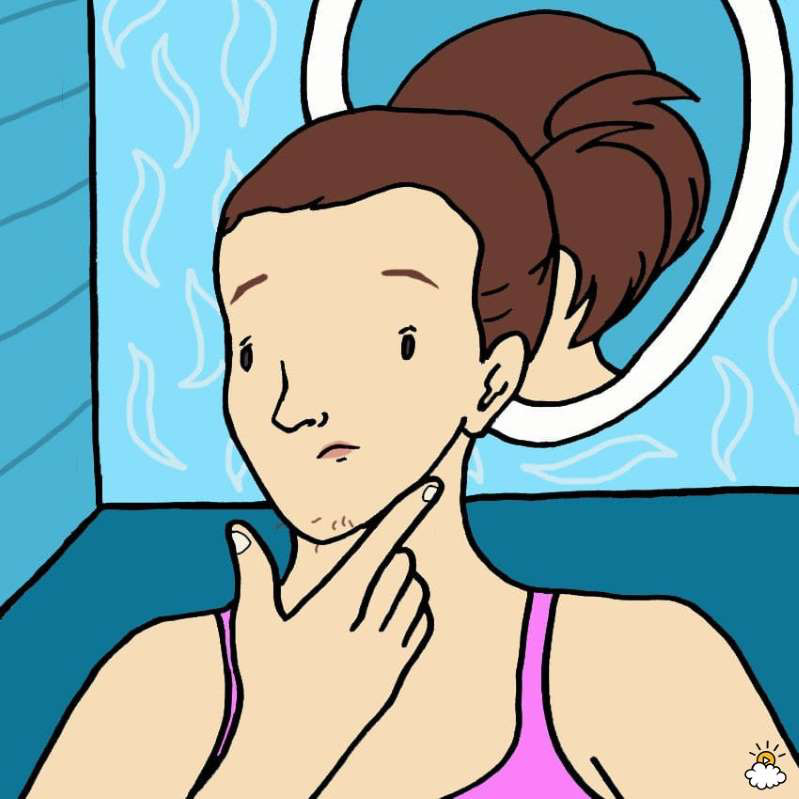
Cause #3: Polycystic Ovary Syndrome (PCOS)
One of the most common hormonal disorders associated with excessive facial hair growth is PCOS.
Women with PCOS often produce higher levels of androgens, which can lead to:
- Chin hair growth
- Upper lip hair
- Acne
- Irregular periods
- Weight gain
- Difficulty becoming pregnant
Not every woman with PCOS experiences all of these symptoms.
However, facial hair growth is among the most common signs.
PCOS affects millions of women worldwide and is a frequent reason for seeking medical evaluation for excessive facial hair.
Cause #4: Insulin Resistance
Insulin resistance occurs when the body's cells become less responsive to insulin.
This condition is often associated with:
- Prediabetes
- Type 2 diabetes
- PCOS
- Metabolic syndrome
Research suggests that insulin resistance may influence hormone production and contribute to increased androgen activity.
As a result, some women may experience:
- Increased facial hair
- Weight gain
- Difficulty losing weight
- Fatigue
Addressing metabolic health may sometimes help improve hormonal balance.
Cause #5: Certain Medications
Some medications can affect hormone levels and hair growth patterns.
Examples may include:
- Certain steroid medications
- Some hormone therapies
- Specific medications used to treat medical conditions
Anyone who notices changes in hair growth after starting a new medication should discuss the issue with their healthcare provider.
Cause #6: Rare Hormonal Disorders
Although less common, excessive facial hair can occasionally be associated with disorders affecting hormone-producing glands.
These may involve:
- The ovaries
- Adrenal glands
- Pituitary gland
In such cases, facial hair growth is often accompanied by additional symptoms that suggest significant hormonal changes.
When Should Chin Hair Be Evaluated?
A few isolated chin hairs are usually not a cause for concern.
However, medical evaluation may be appropriate if facial hair growth:
- Appears suddenly
- Increases rapidly
- Becomes significantly thicker
- Is accompanied by irregular menstrual cycles
- Occurs alongside severe acne
- Is associated with scalp hair thinning
- Develops together with unexplained weight gain
Healthcare providers can determine whether hormonal testing or additional evaluation is needed.
Other Symptoms That May Indicate Hormonal Changes
Facial hair growth alone does not necessarily indicate a medical problem.
However, certain symptoms occurring together may provide additional clues.
These include:
Irregular Menstrual Cycles
Changes in cycle frequency or predictability may indicate hormonal imbalance.
Persistent Acne
Adult acne can sometimes be associated with increased androgen activity.
Weight Gain Around the Abdomen
Hormonal and metabolic conditions often affect fat distribution.
Thinning Hair on the Scalp
Ironically, some hormonal changes can increase facial hair while reducing scalp hair.
Difficulty Becoming Pregnant
Certain hormonal disorders may affect fertility.
Managing Unwanted Chin Hair
Treatment depends on the underlying cause.
For women without an underlying medical condition, common options include:
- Tweezing
- Waxing
- Threading
- Depilatory creams
- Laser hair removal
- Electrolysis
If hormonal factors are contributing to hair growth, healthcare providers may recommend treatments aimed at addressing the underlying imbalance.
Supporting Hormonal Health
Although not all causes of chin hair can be prevented, healthy lifestyle habits may support overall hormonal balance.
Maintain a Healthy Weight
Healthy body weight may improve hormonal regulation.
Exercise Regularly
Physical activity supports metabolic and endocrine health.
Eat a Balanced Diet
Nutrient-rich foods help support hormone production and overall wellness.
Manage Stress
Chronic stress can influence hormone levels and overall health.
Get Regular Medical Checkups
Routine healthcare visits can help identify hormonal concerns early.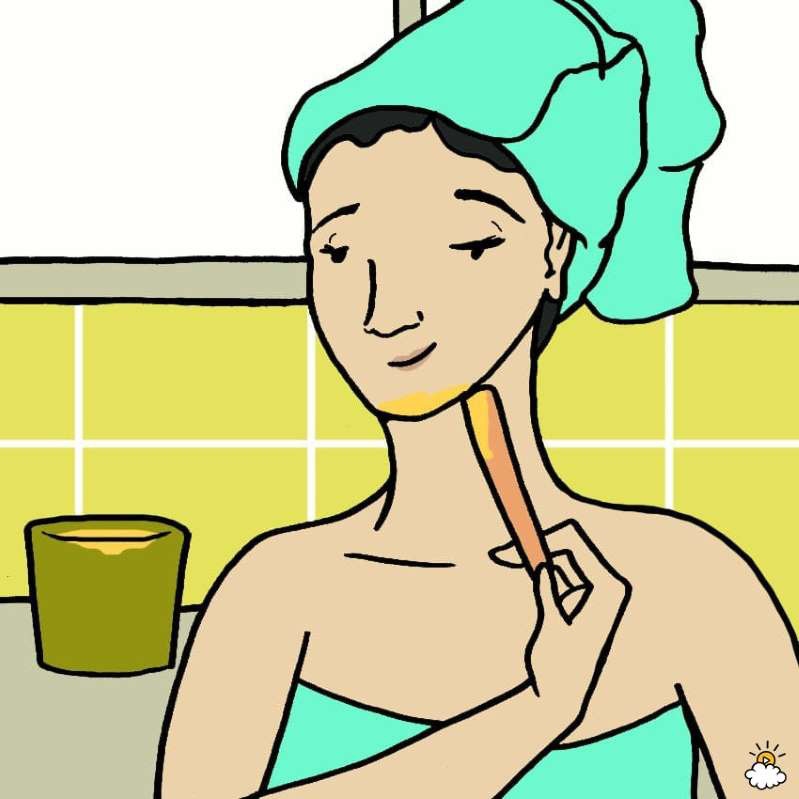
The Bottom Line
For many women, a few chin hairs are simply a normal part of aging and genetics. However, excessive or rapidly increasing facial hair growth may sometimes reflect hormonal changes occurring within the body.
Natural aging, menopause, genetics, PCOS, insulin resistance, medications, and other hormonal conditions can all influence facial hair growth patterns.
While chin hair is often harmless, paying attention to changes—especially when they occur alongside other symptoms—can provide valuable insight into overall health.
Ultimately, the appearance of chin hair does not define health or femininity. It is simply one of many physical changes that may occur throughout life. Understanding its potential causes allows women to make informed decisions about both their health and personal care.