Waking up in the middle of the night with a dry mouth can be uncomfortable and frustrating. For some people, it happens only occasionally. For others, it becomes a nightly problem that affects sleep quality, causes bad breath, and leaves them reaching for a glass of water before they can fall back asleep.
Although many people assume nighttime dry mouth is simply caused by not drinking enough water, the reality is often more complex. Dry mouth, also known as xerostomia, can result from a variety of factors ranging from sleeping habits to underlying medical conditions.
Understanding the possible causes can help you identify when a simple lifestyle adjustment may solve the problem and when it may be worth discussing symptoms with a healthcare professional.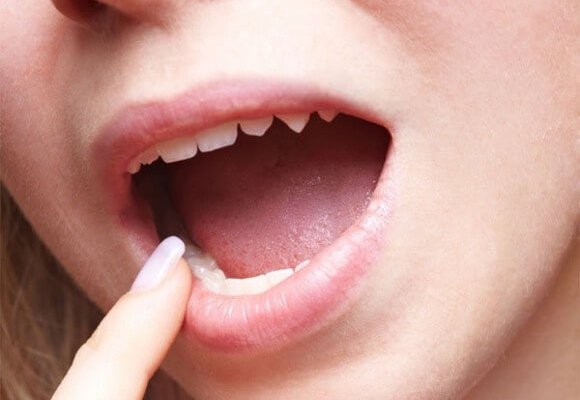
Why Saliva Matters
Before exploring the causes, it's important to understand the role saliva plays in oral health.
Saliva helps:
-
Keep the mouth moist
-
Protect teeth from decay
-
Wash away food particles
-
Support digestion
-
Control bacteria growth
-
Make swallowing easier
When saliva production decreases, the mouth can become dry and uncomfortable.
Reason 1: Sleeping With Your Mouth Open
One of the most common causes of nighttime dry mouth is mouth breathing.
Why It Happens
When the mouth remains open during sleep, moisture evaporates more quickly.
Signs You May Be Mouth Breathing
-
Dry mouth upon waking
-
Sore throat in the morning
-
Bad breath
-
Snoring
Common Triggers
-
Nasal congestion
-
Allergies
-
Structural nasal issues
Many people are unaware they sleep with their mouths open until someone tells them.
Reason 2: Dehydration
Perhaps the simplest explanation is dehydration.
Causes of Dehydration
-
Not drinking enough water
-
Excessive sweating
-
Hot weather
-
Intense exercise
-
Illness involving vomiting or diarrhea
Symptoms
In addition to dry mouth, dehydration may cause:
-
Thirst
-
Headaches
-
Fatigue
-
Dark urine
Maintaining adequate hydration throughout the day may help reduce nighttime symptoms.
Reason 3: Nasal Congestion and Allergies
Blocked nasal passages often force people to breathe through their mouths while sleeping.
Common Causes
-
Seasonal allergies
-
Sinus infections
-
Common colds
-
Chronic rhinitis
Why It Leads to Dry Mouth
When the nose cannot provide sufficient airflow, the body naturally switches to mouth breathing.
As a result, dryness often develops overnight.
Reason 4: Certain Medications
Many medications list dry mouth as a side effect.
Common Examples
Some medications used for:
-
Allergies
-
Depression
-
Anxiety
-
High blood pressure
-
Pain management
may reduce saliva production.
Why It Happens
Certain drugs affect the nervous system signals that stimulate salivary glands.
If dry mouth develops after starting a new medication, discussing it with a healthcare provider may be helpful.
Reason 5: Snoring and Sleep Apnea
Snoring and sleep-disordered breathing are frequently linked to dry mouth.
Sleep Apnea
Sleep apnea causes repeated pauses in breathing during sleep.
Common Symptoms
-
Loud snoring
-
Daytime fatigue
-
Morning headaches
-
Dry mouth upon waking
Why Dry Mouth Occurs
Many people with sleep apnea spend portions of the night breathing through their mouths.
Persistent dry mouth combined with heavy snoring may warrant medical evaluation.
Reason 6: Aging
Dry mouth becomes more common with age.
Why?
Aging itself does not necessarily cause dry mouth.
However, older adults are more likely to experience:
-
Medication use
-
Chronic health conditions
-
Reduced salivary gland function
These factors can contribute to nighttime dryness.
Reason 7: Certain Medical Conditions
Several health conditions can affect saliva production.
Examples Include
-
Diabetes
-
Autoimmune disorders
-
Sjögren's syndrome
-
Certain neurological conditions
Additional Symptoms
Depending on the condition, symptoms may include:
-
Excessive thirst
-
Fatigue
-
Dry eyes
-
Joint pain
Persistent dry mouth should not be dismissed if accompanied by other unusual symptoms.
Reason 8: Alcohol, Caffeine, and Smoking
Lifestyle habits can also play a role.
Alcohol
Alcohol may contribute to dehydration and mouth dryness.
Caffeine
Excessive caffeine intake may affect hydration status in some individuals.
Smoking
Tobacco use can irritate oral tissues and worsen dry mouth symptoms.
Reducing these factors may help improve nighttime comfort.
Other Symptoms That Often Accompany Dry Mouth
Nighttime dry mouth may occur alongside:
Bad Breath
Reduced saliva allows bacteria to multiply more easily.
Sticky Feeling in the Mouth
Many people describe their mouth feeling unusually sticky or thick.
Difficulty Swallowing
A lack of moisture can make swallowing uncomfortable.
Hoarseness
The throat may feel dry and irritated upon waking.
Why Dry Mouth Shouldn't Be Ignored
Occasional dryness is common.
However, persistent dry mouth can lead to:
Increased Risk of Cavities
Saliva helps protect tooth enamel.
Gum Problems
Reduced saliva may increase the risk of oral health issues.
Oral Infections
A dry environment allows certain microorganisms to thrive.
Reduced Sleep Quality
Repeated awakenings due to thirst can disrupt rest.
How to Reduce Nighttime Dry Mouth
Fortunately, several strategies may help.
Stay Hydrated
Drink adequate water throughout the day.
Address Nasal Congestion
Managing allergies or nasal blockage may reduce mouth breathing.
Use a Humidifier
Adding moisture to the air can help reduce dryness.
Limit Alcohol Before Bed
Alcohol may worsen nighttime dehydration.
Review Medications
If medications are contributing, healthcare providers may offer alternatives.
Maintain Good Oral Hygiene
Healthy oral tissues may be more comfortable and resilient.
When to See a Doctor
Medical evaluation may be appropriate if:
-
Dry mouth occurs every night
-
Symptoms worsen
-
Difficulty swallowing develops
-
Significant snoring is present
-
Dry eyes accompany dry mouth
-
Oral health problems increase
Persistent symptoms deserve professional assessment.
Common Myths About Dry Mouth
Myth 1: It's Always Caused by Not Drinking Enough Water
Many cases involve factors other than dehydration.
Myth 2: Dry Mouth Is Harmless
Chronic dry mouth can affect oral and overall health.
Myth 3: Everyone Gets It as They Age
Although more common in older adults, it is not inevitable.
Supporting Better Sleep and Oral Health
Simple habits can help support both sleep quality and saliva production.
Healthy Sleep Habits
-
Maintain a regular sleep schedule
-
Keep the bedroom comfortable
-
Manage allergies effectively
Healthy Oral Habits
-
Brush and floss regularly
-
Attend routine dental checkups
-
Avoid tobacco products
These practices support long-term oral health.
Final Thoughts
Waking up with a dry mouth during the night is not always random. While dehydration can certainly contribute, many other factors—including mouth breathing, allergies, medications, sleep apnea, aging, medical conditions, and lifestyle habits may also play a role.
Most cases are not serious, but persistent symptoms should not be ignored. Understanding the potential causes can help you identify possible solutions and know when to seek professional advice. By paying attention to your body's signals and addressing underlying factors, you may be able to enjoy more comfortable nights, better sleep quality, and improved oral health.