Dark spots on the skin are extremely common. Most people will develop some form of skin discoloration during their lifetime, whether from sun exposure, aging, acne scars, or harmless moles. In many cases, these spots are completely benign and require no treatment.
However, dermatologists emphasize that not every dark spot should be ignored. Certain changes in the skin may occasionally signal an underlying problem, including skin cancer or other health conditions that benefit from early detection.
The challenge is that many people become accustomed to their skin's appearance and may not notice subtle changes until they become more obvious. Understanding which warning signs deserve attention can help individuals know when it may be appropriate to seek professional evaluation.
It is important to remember that most dark spots are not cancerous. Nevertheless, any unusual or changing skin lesion should be assessed by a qualified healthcare professional.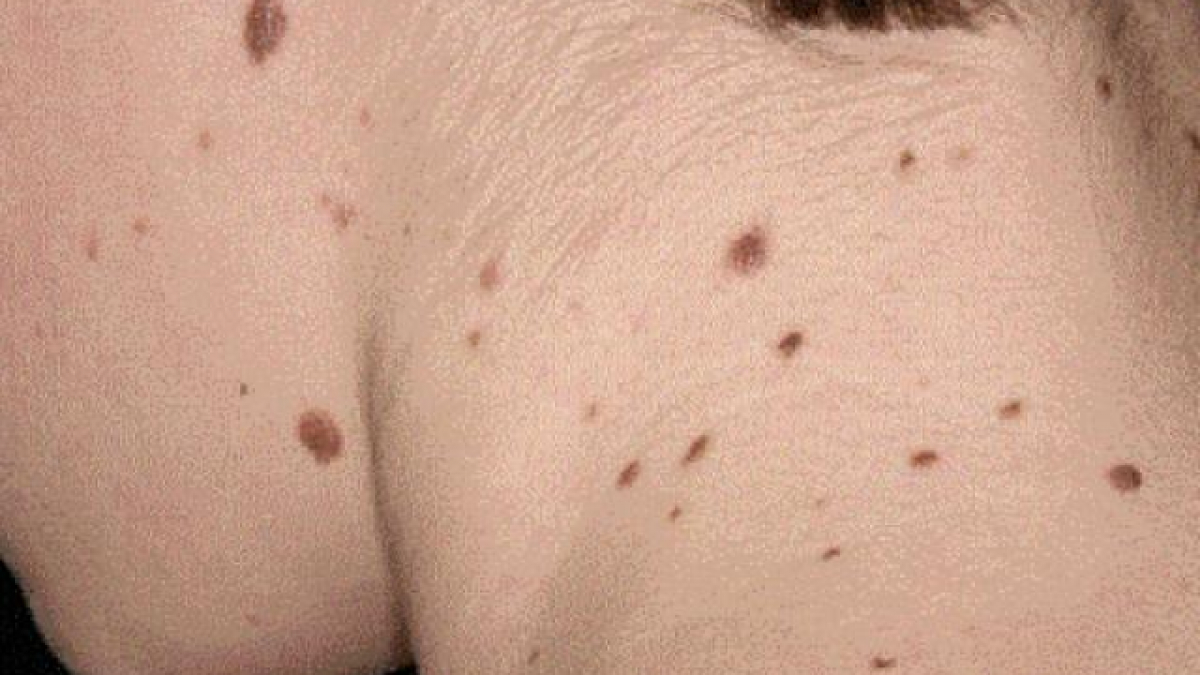
Why Paying Attention to Skin Changes Matters
The skin is the body's largest organ.
It serves many important functions, including:
-
Protecting against infection
-
Regulating body temperature
-
Preventing fluid loss
-
Providing sensory information
Because the skin is visible, it can also provide clues about overall health.
Many skin conditions are easier to treat when detected early.
What Causes Dark Spots?
Dark spots can develop for numerous reasons.
Common Causes Include
-
Sun exposure
-
Aging
-
Hormonal changes
-
Acne scars
-
Birthmarks
-
Benign moles
-
Skin irritation
Most dark spots are harmless.
However, certain characteristics deserve closer attention.
Sign 1: A Dark Spot That Changes in Size
One of the most important warning signs is noticeable growth.
What to Watch For
A spot that:
-
Becomes larger
-
Expands over time
-
Appears different from previous months
may warrant evaluation.
Why It Matters
Many harmless spots remain relatively stable.
Significant growth can sometimes indicate abnormal cellular changes.
Helpful Tip
Taking periodic photographs may help monitor changes over time.
Sign 2: Irregular or Uneven Borders
Healthy moles are often relatively symmetrical and well-defined.
Concerning Features
Watch for borders that appear:
-
Jagged
-
Blurred
-
Uneven
-
Poorly defined
Why Dermatologists Pay Attention
Irregular borders are one of the characteristics often evaluated when assessing potentially concerning skin lesions.
This does not automatically mean cancer is present, but it is a feature worth discussing with a healthcare provider.
Sign 3: Multiple Colors Within the Same Spot
Many harmless moles have a uniform appearance.
Warning Signs
A spot that contains several colors may deserve attention.
Possible colors include:
-
Black
-
Brown
-
Red
-
White
-
Blue
Why This Matters
Uneven pigmentation is one of the features dermatologists evaluate during skin examinations.
Changes in color are often just as important as changes in size.
Sign 4: Itching, Bleeding, or Crusting
Most harmless dark spots do not cause symptoms.
Possible Warning Signs
A lesion that:
-
Itches persistently
-
Bleeds without injury
-
Forms crusts repeatedly
-
Does not heal
should not be ignored.
Why?
Skin lesions that repeatedly break down or fail to heal may require professional assessment.
Persistent symptoms deserve attention regardless of the underlying cause.
Sign 5: A Spot That Looks Different From Others
Dermatologists sometimes refer to this as the "ugly duckling" sign.
What Does That Mean?
If one spot looks noticeably different from all the others on your body, it may deserve closer examination.
Examples include:
-
Different color
-
Different shape
-
Different texture
-
Different growth pattern
Why It Matters
People often develop a recognizable pattern of moles.
A spot that stands out from the rest may be worth evaluating.

Understanding the ABCDE Rule
Many healthcare professionals use the ABCDE rule when assessing moles.
A: Asymmetry
One half does not match the other.
B: Border
Edges are irregular or poorly defined.
C: Color
Multiple colors are present.
D: Diameter
The spot becomes larger over time.
E: Evolving
The lesion changes in any way.
This simple guide can help people monitor their skin more effectively.
Common Types of Dark Spots
Not every dark spot is cause for concern.
Age Spots
Often caused by long-term sun exposure.
Freckles
Usually harmless and influenced by genetics.
Post-Inflammatory Hyperpigmentation
May develop after acne, cuts, or skin irritation.
Benign Moles
Most moles remain harmless throughout life.
Understanding the difference between normal skin changes and suspicious changes is important.
Who Is at Higher Risk for Skin Cancer?
Certain factors increase risk.
Fair Skin
Lighter skin generally has less natural UV protection.
Excessive Sun Exposure
Years of sun exposure can increase risk.
History of Sunburns
Especially severe blistering sunburns.
Family History
Genetics may influence risk.
Large Numbers of Moles
People with numerous moles may benefit from regular skin monitoring.
The Role of Sun Exposure
Ultraviolet (UV) radiation is one of the major contributors to skin damage.
UV Sources Include
-
Sunlight
-
Tanning beds
Protecting Your Skin
Experts often recommend:
-
Sunscreen
-
Protective clothing
-
Hats
-
Seeking shade during peak sunlight hours
Prevention remains one of the most effective strategies.
When Should You See a Doctor?
Medical evaluation may be appropriate if a dark spot:
-
Changes rapidly
-
Bleeds
-
Itches persistently
-
Becomes painful
-
Develops irregular borders
-
Shows multiple colors
Early assessment can provide peace of mind and, when necessary, facilitate prompt treatment.
What Happens During a Skin Examination?
A dermatologist will typically:
Examine the Skin
Carefully inspect the lesion.
Review Your History
Questions may include:
-
When the spot appeared
-
Whether it has changed
-
Family history
Use Specialized Tools
A dermatoscope may be used to examine details not visible to the naked eye.
Consider Biopsy
If necessary, a small tissue sample may be collected for analysis.
Common Myths About Dark Spots
Myth 1: If It Doesn't Hurt, It's Harmless
Many skin cancers are painless in early stages.
Myth 2: Only Older Adults Need to Worry
Skin cancer can occur at various ages.
Myth 3: Dark Skin Eliminates Risk
Although risk may differ, skin cancer can affect people of all skin tones.
Myth 4: All Dark Spots Are Cancer
Most dark spots are benign.
The goal is awareness, not fear.
Supporting Long-Term Skin Health
Healthy habits can help protect the skin.
Wear Sunscreen Regularly
Even on cloudy days.
Perform Skin Self-Checks
Monthly examinations may help identify changes early.
Attend Regular Checkups
Especially if you have risk factors.
Protect Children From Excessive Sun Exposure
Early prevention matters.

Final Thoughts
Most dark spots on the skin are completely harmless. However, experts recommend paying attention to lesions that change in size, develop irregular borders, contain multiple colors, cause symptoms such as itching or bleeding, or simply look different from other spots on your body.
The skin often provides visible clues when something changes. Recognizing these signs and seeking medical advice when appropriate can help ensure that potential problems are identified early. While there is no reason to panic over every dark spot, staying aware of your skin and monitoring changes over time is an important part of maintaining overall health.