Store Whole Water Chestnuts Properly
Keep fresh water chestnuts in a clean, suitable container and follow the seller's or supplier's storage guidance. If they are sold refrigerated, keep them refrigerated after purchase.
Avoid leaving perishable produce in a hot car or on a kitchen counter for long periods, particularly in warm weather.
Do not store them beside raw meat, poultry, or seafood where juices could drip onto them.
Refrigerate Peeled or Cut Pieces
Once water chestnuts have been peeled or cut, place them in a clean, covered container and refrigerate them promptly.
The CDC advises refrigerating cut or peeled produce promptly and keeping fresh produce separate from raw meat, poultry, and seafood. Its home food-safety guidance also emphasizes clean utensils and surfaces.
Do not leave a bowl of peeled water chestnuts sitting at room temperature for an extended period while preparing other ingredients.
If they have been left out for too long, particularly in a hot environment, it is safer to discard them than to assume that cooking later will correct every possible storage problem.
Do Not Ignore Signs of Spoilage
Discard water chestnuts that have developed a slimy texture, unpleasant odor, mold, or extensive discoloration.
Cooking is not a way to rescue food that has clearly spoiled. Some hazards associated with poor storage may not be eliminated simply by heating the product.
When in doubt about the condition of fresh produce, replacing it is safer than taking a chance.
10. Are Water Chestnuts Nutritious? What They Actually Provide
Food-safety warnings should not overshadow the nutritional value of water chestnuts.
The Chinese water chestnut is a starchy aquatic vegetable that provides carbohydrates, dietary fiber, and several minerals. It is naturally low in fat and contains relatively little protein.
According to USDA-derived nutritional data for raw Chinese water chestnuts, a 100-gram portion contains approximately 97 calories, 23.9 grams of carbohydrate, 1.4 grams of protein, 0.1 grams of fat, and about 3 grams of dietary fiber. Exact values can vary with variety, growing conditions, and preparation.
These figures show that water chestnuts are not simply flavored water. They provide energy, mainly from carbohydrates, along with fiber and small amounts of micronutrients.
Dietary Fiber and Digestion
Fiber is an important part of a balanced diet. It contributes to normal bowel function and can help support regularity.
Water chestnuts provide some fiber, but they should not be treated as a complete solution for constipation or digestive problems.
A varied diet that includes vegetables, fruit, legumes, nuts, seeds, and whole grains is a more reliable way to obtain different types of dietary fiber.
People who are increasing fiber intake may also need to increase fluids gradually, depending on their individual needs.
Potassium and Other Minerals
Water chestnuts contain potassium, a mineral involved in fluid balance, nerve signaling, and normal muscle function.
They also provide smaller amounts of other minerals, although they are not a substitute for foods that are particularly rich in iron, calcium, or other nutrients.
People with medical conditions that require potassium restriction should follow their healthcare professional's advice rather than assuming that every vegetable is suitable in unlimited amounts.
Low in Fat
The naturally low fat content makes water chestnuts a useful ingredient in meals where people want to add texture without relying on high-fat ingredients.
However, the nutritional profile of the final dish depends on how it is prepared. A water chestnut stir-fry cooked with large amounts of oil, salty sauces, or processed meats will have a different nutritional profile from boiled water chestnuts served with vegetables.
The ingredient itself is only one part of the meal.
11. Do Water Chestnuts Contain Antioxidants?
Water chestnuts contain naturally occurring plant compounds, including phenolic compounds that have been studied for their antioxidant properties.
Antioxidants are substances that can help counter oxidative processes involving unstable molecules in the body. Many fruits and vegetables contain a mixture of these compounds.
However, it is important not to turn laboratory findings into exaggerated medical promises.
Research showing antioxidant activity in a plant extract does not automatically prove that eating ordinary servings of that vegetable prevents cancer, reverses aging, or treats a disease.
The strongest dietary advice remains familiar: eat a variety of vegetables and fruits, choose appropriate portions, and combine them with other nutritious foods.
Water chestnuts can contribute to that variety, but their antioxidant content should not be used as a reason to ignore safe handling.
12. Can Children, Older Adults, and Pregnant People Eat Water Chestnuts?
For most people, properly prepared water chestnuts can be included in ordinary meals. However, foodborne illness can be more serious for some groups.
Young children, older adults, pregnant people, and individuals with weakened immune systems are among those who may face greater risks from certain foodborne infections. The FDA highlights these groups in its food-safety guidance.
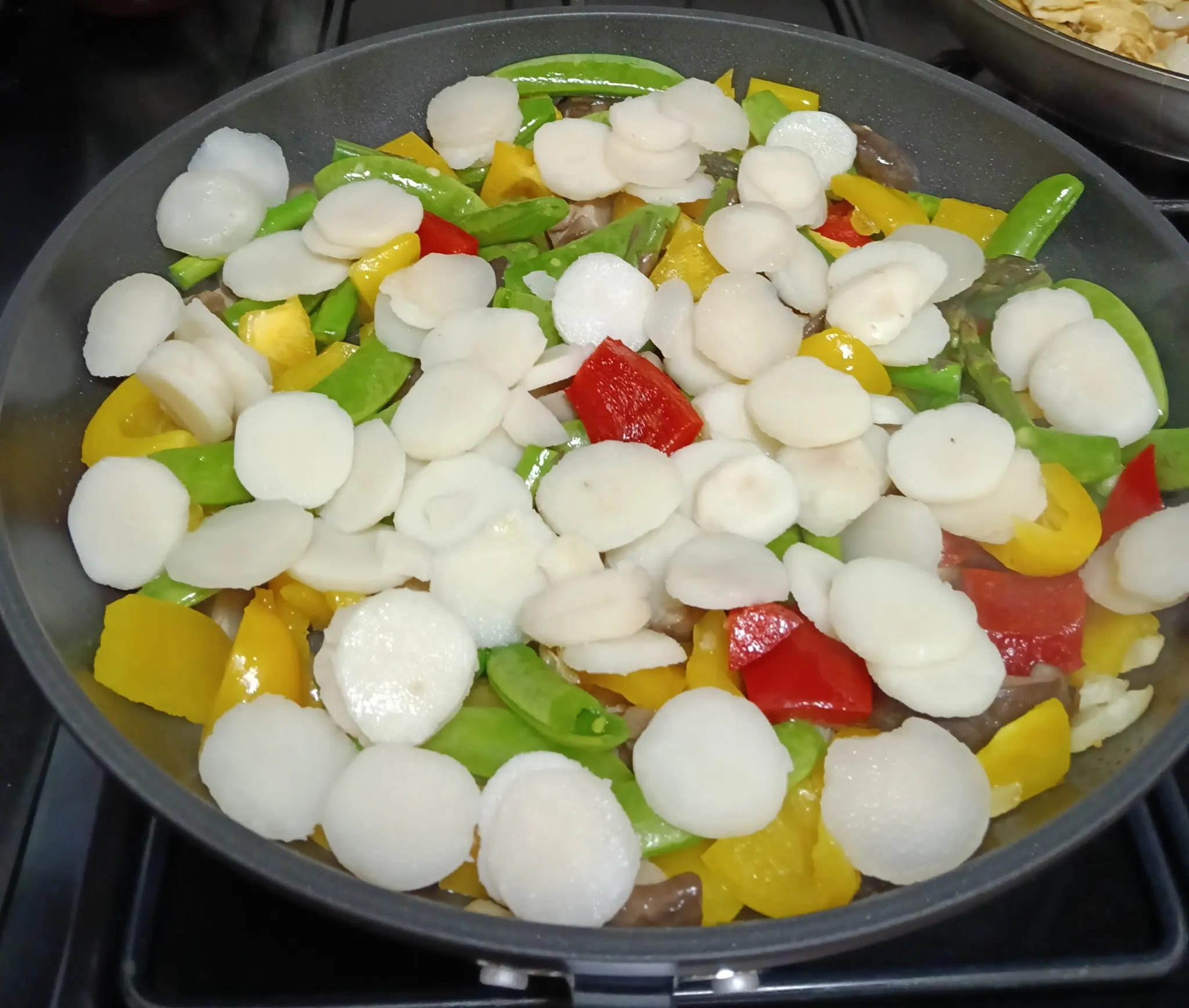
For these individuals, avoiding raw aquatic vegetables from uncertain sources is a sensible precaution.
For Children
Young children may be more vulnerable to dehydration if they develop vomiting or diarrhea. They may also have difficulty chewing firm, round pieces of food depending on their age and developmental stage.
Water chestnuts should be prepared in an age-appropriate form, cut into suitable pieces, and cooked thoroughly when the source or hygiene conditions are uncertain.
Parents should not assume that a vegetable is safe simply because it is commonly eaten by adults.
For Older Adults
Some older adults have medical conditions or take medications that can affect their response to dehydration and infection.
A cooked dish containing water chestnuts is generally a more cautious choice than raw aquatic produce from an unknown source.
If an older person develops persistent diarrhea, vomiting, fever, or signs of dehydration after eating any food, medical advice should be sought promptly.
During Pregnancy
Pregnant people are often advised to take extra care with food hygiene because some foodborne infections can have more serious consequences during pregnancy.
Fresh aquatic vegetables should be washed carefully, prepared with clean utensils, and cooked thoroughly when their origin or safety is uncertain.
Anyone who is pregnant and develops symptoms after eating a potentially contaminated food should contact a healthcare professional for individualized advice.
For People With Weakened Immune Systems
People receiving certain medical treatments or living with conditions that weaken the immune system may be more vulnerable to infections that would cause milder illness in others.
They should follow the food-safety advice provided by their care team. In particular, raw aquatic vegetables from uncertain sources are not a good choice when a safer cooked alternative is available.
13. Raw or Cooked: Which Is the Better Choice?
Water chestnuts are sometimes eaten raw because of their crisp texture and mildly sweet flavor. In places where they are traditionally consumed fresh, they may be peeled and served as a snack or included in salads.
But the fact that a food is traditionally eaten raw does not mean every source is equally safe.
The decision depends on the growing environment, the reliability of the supplier, local food-safety conditions, and the way the vegetable is prepared.
When Raw Water Chestnuts May Be a Concern
Raw aquatic plants deserve particular caution when they come from water that may be contaminated by human or animal waste.
The CDC specifically identifies raw or undercooked aquatic plants as a possible route of Fasciolopsis buski infection when the parasite is present on the plants. Its prevention guidance recommends avoiding raw or undercooked freshwater plants or cooking them thoroughly in boiling water.