This guidance is especially relevant in regions where the parasite occurs and where the water used to grow aquatic vegetables may be contaminated.
Washing can remove visible soil and reduce some surface bacteria, but it should not be presented as a guaranteed method for removing every parasite stage.
When Cooked Water Chestnuts Are a Better Option
Cooking is the more cautious option when:
-
The farm or water source is unknown.
-
The vegetables have visible soil or have been handled in uncertain conditions.
-
The food is being served to someone at higher risk of foodborne illness.
-
Local health guidance recommends avoiding raw aquatic vegetables.
-
The preparation method cannot reliably prevent contamination.
Boiling, steaming, or cooking thoroughly in a dish can reduce the risk from many harmful organisms. For the specific parasite discussed above, the CDC's advice is to cook freshwater plants well before eating them.
There is no need to give up water chestnuts to enjoy their benefits. Cooking them is a practical way to retain them in meals while taking a more cautious approach to food safety.
14. Easy Ways to Prepare Water Chestnuts Safely
Water chestnuts are versatile, and safe preparation does not need to be complicated.
A few simple cooking methods can preserve their characteristic texture while reducing the risks associated with raw aquatic produce.
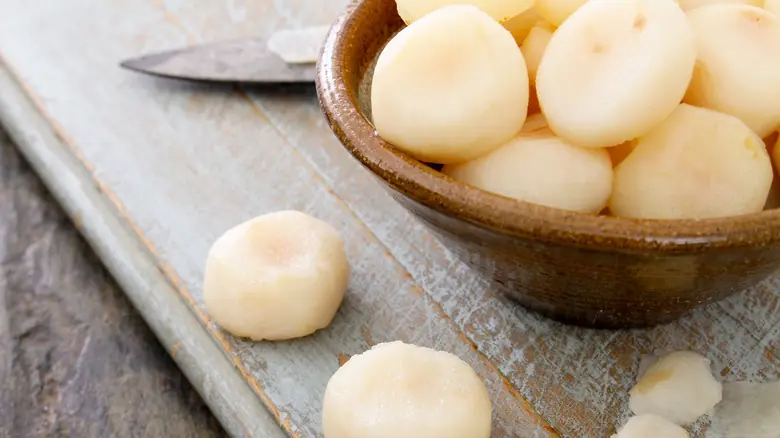
Boiled Water Chestnuts
Start by washing the whole vegetables under clean running water. Remove loose dirt, peel them with clean utensils, and place the edible pieces in a pot of boiling water.
Cook them thoroughly rather than relying on a brief dip in hot water. The exact time will depend on the size and freshness of the pieces and the cooking method.
Once cooked, drain them using a clean colander and serve them in a dish or allow them to cool in a clean container.
Water Chestnut Stir-Fry
A stir-fry is one of the most familiar ways to use water chestnuts.
Prepare the vegetables by washing them before peeling. Slice or dice the peeled pieces on a clean cutting board.
Add them to a pan with other ingredients such as carrots, mushrooms, green beans, tofu, or chicken. Cook the dish thoroughly, ensuring that the water chestnuts are heated through rather than simply warmed on the surface.
Because water chestnuts retain some crunch after cooking, they can add texture without needing to be served raw.
Water Chestnut Soup
Water chestnuts can also be added to soups and broths. Their mild sweetness works well with vegetables, chicken, mushrooms, and other ingredients.
Adding them to a simmering soup provides an opportunity to cook them thoroughly while allowing their flavor to blend with the rest of the dish.
A Simple Safety Checklist
Before serving water chestnuts, remember these basic steps:
-
Buy from a reliable seller.
-
Avoid produce that is rotten, slimy, or badly damaged.
-
Wash whole vegetables before peeling.
-
Use clean hands, knives, and cutting boards.
-
Keep peeled pieces separate from dirty skins.
-
Cook thoroughly when the source is uncertain or parasite exposure is a concern.
-
Refrigerate prepared pieces promptly.
-
Discard food that shows signs of spoilage.
These steps are simple, but together they address several of the most common ways contamination can occur.
15. What to Do if You Have Already Eaten Raw Water Chestnuts
A person who has eaten raw water chestnuts should not automatically assume that an infection has occurred.
The actual risk depends on the source of the produce, whether the growing water was contaminated, how it was handled, and whether an infectious organism was present.
If the vegetables came from a reputable supplier and were handled hygienically, the risk may be low. If they came from an unknown freshwater source or an area where parasitic infections associated with aquatic plants are known to occur, greater caution may be appropriate.
Do not attempt to treat a suspected parasite infection with herbal cleanses, laxatives, or unverified online remedies.
Instead, monitor how you feel and seek medical advice if concerning symptoms develop. Persistent abdominal pain, ongoing diarrhea, vomiting, fever, unusual swelling, or other unexplained symptoms deserve professional assessment.
Tell the healthcare professional what you ate, whether it was raw or cooked, where it came from if known, and when you consumed it.
This information can help determine whether testing is appropriate. For suspected Fasciolopsis infection, the CDC describes examination of stool samples for parasite eggs or flukes as a diagnostic approach. It also notes that effective medication is available.
The important point is not to panic after one meal. It is to avoid dismissing persistent symptoms or trying to diagnose a parasite infection based on internet warnings alone.
16. The Bigger Lesson: Food Safety Starts Before Cooking
The story of water chestnuts illustrates a broader lesson about fresh produce.
A vegetable can be nutritious and still require careful handling. A food can be traditional and widely eaten while still presenting a risk when it is grown, harvested, stored, or prepared under poor conditions.
Food safety is not determined by appearance alone. It depends on the whole journey from the growing environment to the plate.
For aquatic vegetables, clean water and good sanitation at the farm are important. During harvesting and transport, produce should be protected from contamination. At the market, it should be stored and displayed appropriately. At home, it should be washed, peeled, separated from dirty surfaces, and cooked when necessary.
The FDA and CDC both emphasize the basic principles of cleaning, separating foods, cooking thoroughly, and keeping perishable foods appropriately chilled. These recommendations apply not only to water chestnuts but also to many other fresh ingredients.
This is why the most useful response to dramatic food warnings is not to become afraid of every vegetable. It is to understand the actual route by which contamination can happen and take practical steps to prevent it.
Final Takeaway: Are Water Chestnuts Safe to Eat?
Water chestnuts are not inherently dangerous, and the dramatic claim that every one of them contains large numbers of parasites is misleading.
However, there is a genuine food-safety issue behind some of the warnings. Certain parasites, including Fasciolopsis buski, can be transmitted when people eat raw or undercooked aquatic plants contaminated with infective stages. This risk is linked to particular environmental and sanitation conditions, not to the mere fact that a vegetable grows in water.
Bacteria and other contaminants can also reach the outer surface during cultivation, harvesting, transport, and preparation. If an unwashed water chestnut is peeled or cut carelessly, contamination may transfer from its skin to the edible interior.
The practical response is straightforward: buy from reliable sources, wash the whole vegetable under clean running water before peeling, use clean hands and utensils, prevent cross-contamination, and cook thoroughly when the source is uncertain or the local parasite risk is relevant.
Water chestnuts still offer useful nutritional qualities. They provide carbohydrates, dietary fiber, and minerals, while their crisp texture makes them a popular addition to many dishes.
The real lesson is not that people should stop eating water chestnuts. It is that aquatic vegetables deserve the same careful attention as other fresh foods—and, when eaten raw, may require additional caution depending on where they were grown.
With sensible sourcing, good hygiene, and appropriate cooking, water chestnuts can remain an enjoyable part of a balanced diet.