Heatstroke is one of the most serious heat-related illnesses and can become life-threatening if not recognized and treated promptly. While many people are aware of the classic symptoms—such as extremely high body temperature or loss of consciousness—there are several early and less obvious warning signs that are often overlooked.
Medical experts emphasize that recognizing these subtle symptoms can make a critical difference. Heatstroke does not always appear suddenly; in many cases, the body begins to show signs of distress well before a full medical emergency occurs.

Understanding Heatstroke
Heatstroke occurs when the body’s temperature regulation system fails, causing the core body temperature to rise rapidly—often above 40°C (104°F). This condition can result from prolonged exposure to high temperatures, especially when combined with dehydration or physical exertion.
There are two main types of heatstroke:
- Exertional heatstroke: Often affects athletes or individuals performing intense physical activity in hot environments
- Non-exertional (classic) heatstroke: Typically affects older adults, young children, or those with chronic illnesses during heatwaves
Without immediate intervention, heatstroke can lead to organ damage, brain injury, or even death.
1. Persistent Headache
One of the earliest and most commonly overlooked symptoms is a continuous or throbbing headache. This occurs as dehydration and heat stress affect blood flow and pressure within the body.
Many people mistake this for a normal headache or fatigue, especially during hot weather, and fail to recognize it as a warning sign of something more serious.
2. Dizziness or Lightheadedness
Feeling dizzy, faint, or unsteady is another early indicator that the body is struggling to cope with heat. Reduced blood flow to the brain and dehydration can contribute to this sensation.
This symptom may come and go, making it easy to ignore. However, repeated episodes should not be dismissed.
3. Unusual Sweating Patterns
Sweating is the body’s natural cooling mechanism, but in heatstroke, sweating patterns can become abnormal.
Some individuals may sweat excessively at first, while others—especially in advanced stages—may stop sweating altogether. Dry, hot skin is a particularly dangerous sign, indicating that the body can no longer regulate its temperature effectively.
4. Nausea or Vomiting
Digestive discomfort is another symptom that is often overlooked. Nausea, vomiting, or a general feeling of stomach unease can occur as the body redirects blood flow away from the digestive system to try to cool itself.
Because these symptoms are commonly associated with food-related issues, they are frequently misinterpreted.
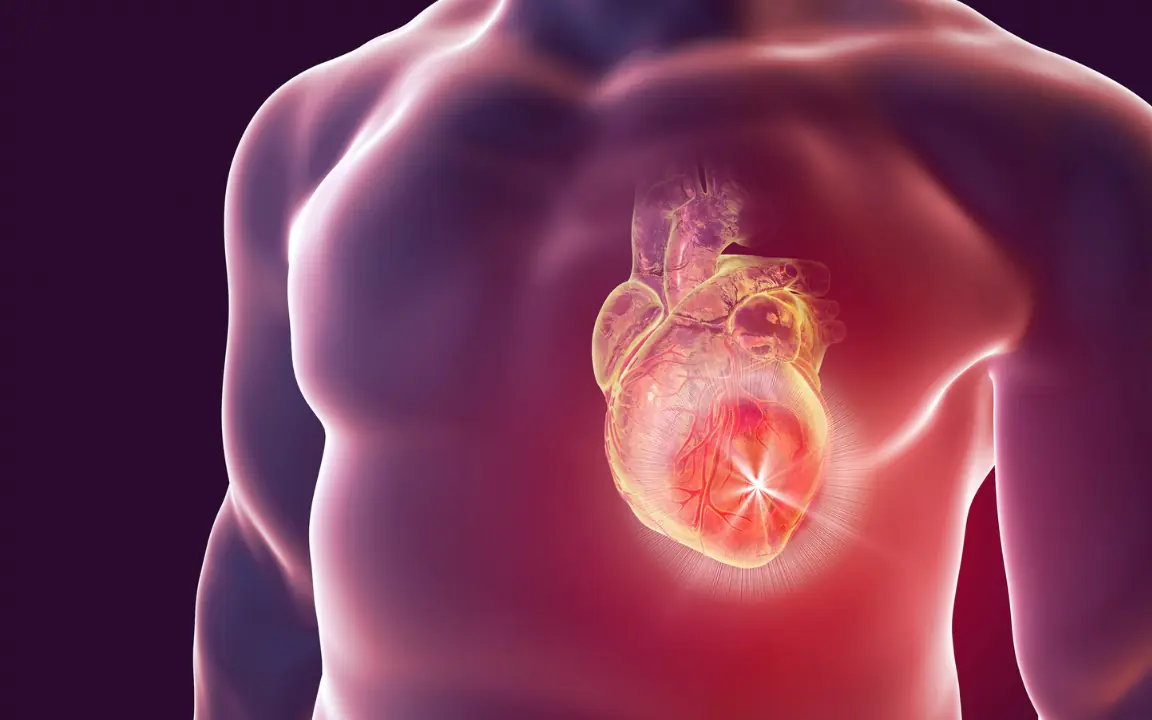
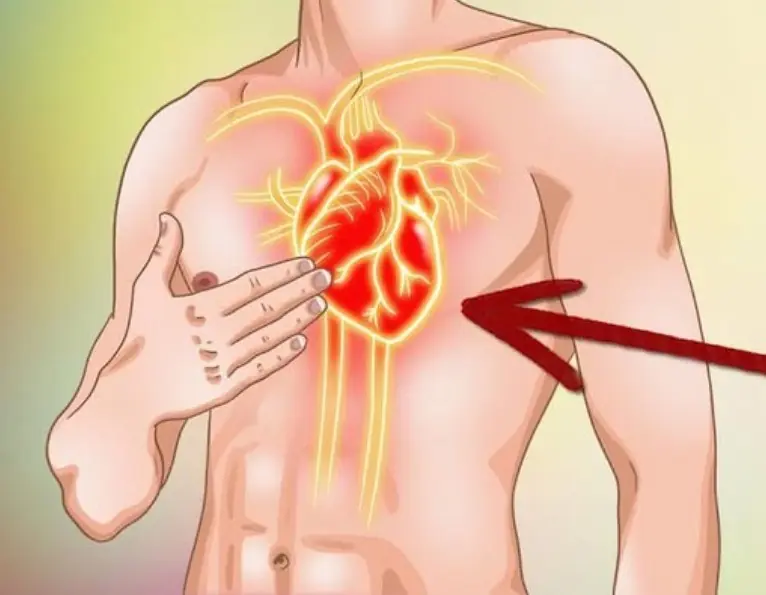
5. Rapid Heart Rate
An increased heart rate is a response to heat stress, as the body attempts to circulate blood more quickly to release heat. This can feel like a racing or pounding heartbeat, even when at rest.
People may attribute this to anxiety, caffeine intake, or physical exertion, rather than recognizing it as a sign of heat-related illness.
6. Confusion or Difficulty Concentrating
One of the most serious yet often underestimated symptoms is mental confusion or reduced cognitive function. Individuals may have trouble focusing, feel disoriented, or behave unusually.
This occurs because elevated body temperature begins to affect brain function. In severe cases, it can progress to delirium, seizures, or loss of consciousness.
Why These Symptoms Are Often Missed
Many of these signs are subtle and can easily be mistaken for less serious conditions such as fatigue, dehydration, or minor illness. Additionally, people often underestimate the dangers of heat exposure, especially if they are accustomed to warm climates.
This lack of awareness can delay treatment, increasing the risk of severe complications.
When to Seek Immediate Help
Heatstroke is a medical emergency. If someone shows signs such as confusion, loss of consciousness, extremely high body temperature, or stops sweating in a hot environment, immediate action is required.
First aid measures include:
- Moving the person to a cooler area
- Removing excess clothing
- Applying cool water or ice packs
- Providing fluids if the person is conscious
Emergency medical services should be contacted as soon as possible.
Prevention Strategies
Preventing heatstroke is far easier than treating it. Key preventive measures include:
- Staying hydrated throughout the day
- Avoiding prolonged exposure to extreme heat
- Wearing lightweight, breathable clothing
- Taking regular breaks in shaded or air-conditioned areas
- Avoiding intense physical activity during peak heat hours
Special attention should be given to vulnerable groups such as children, the elderly, and individuals with underlying health conditions.

Conclusion
Heatstroke is a dangerous condition that often begins with subtle and easily overlooked symptoms. Persistent headaches, dizziness, unusual sweating, nausea, rapid heart rate, and confusion are all warning signs that should not be ignored.
By recognizing these early indicators and taking prompt action, individuals can prevent the progression of heatstroke and protect their health. Awareness, preparedness, and timely intervention are key to staying safe in hot environments.