
Eye floaters are small shapes that drift across your field of vision, appearing as spots, threads, or squiggly lines. They become especially noticeable when looking at bright backgrounds, such as a clear sky or a white wall. These shapes move as your eyes move and can seem to dart away when you try to focus on them.

Floaters are typically caused by age-related changes in the vitreous, a gel-like substance inside the eye. As we age, the vitreous becomes more liquid, and the microscopic fibers within it can clump together, casting shadows on the retina. These shadows are what we perceive as floaters. In some cases, floaters can be linked to more serious conditions such as eye infections, uveitis (inflammation within the eye), or retinal tears or detachment.
Certain individuals are more likely to experience floaters. You might be at higher risk if you are nearsighted, have had cataract surgery, suffer from diabetes (which can lead to diabetic retinopathy), or are aging.
Generally, floaters are harmless. However, if you experience a sudden increase in floaters, flashes of light, or a shadow appearing in your peripheral vision, it could signal a retinal tear or detachment. These are medical emergencies and require immediate attention.
Eye doctors use a dilated eye exam to diagnose floaters. This involves dilating the pupils with eye drops to get a better view of the vitreous and retina. The exam allows the specialist to identify any abnormalities or underlying issues, such as retinal tears.
While most floaters are benign, certain symptoms can indicate serious issues:
- A sudden increase in frequency
- Flashes of light
- A dark curtain or shadow moving across your vision
These signs could point to retinal detachment or tear, which requires immediate medical intervention to prevent vision loss.
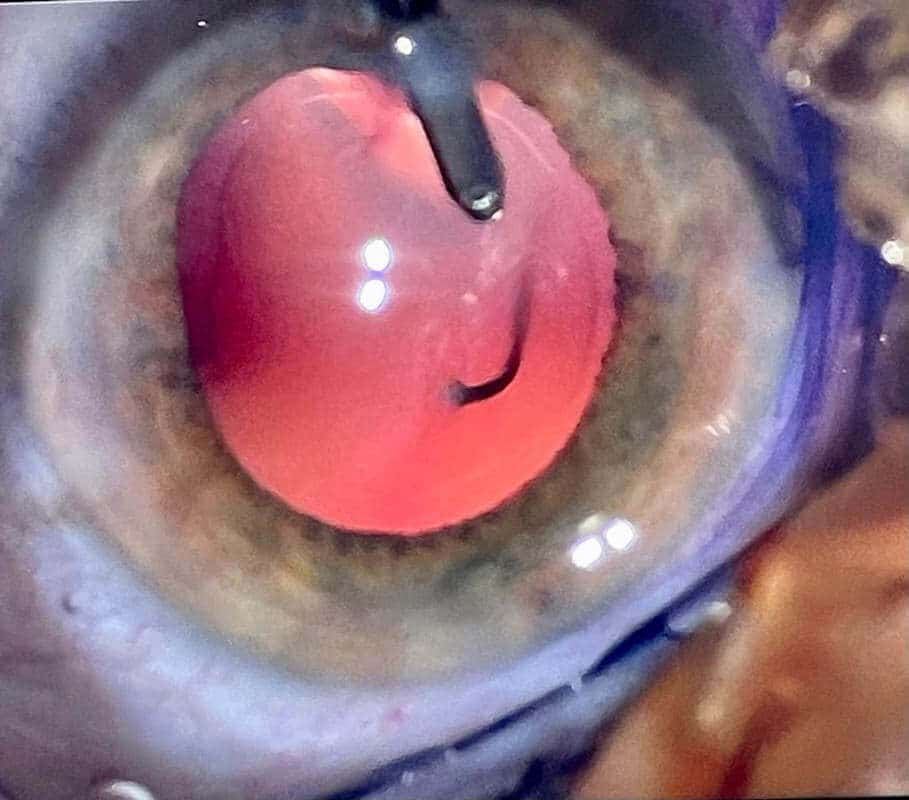
In many cases, no treatment is needed as floaters tend to become less noticeable over time. However, for those noticing a significant impairment in vision, there are options:
- Vitrectomy: A surgical procedure that removes the vitreous gel and replaces it with a saline solution.
- Laser Therapy: This treatment uses lasers to break up the floaters, making them less noticeable.
Both treatments come with risks, including infection and retinal damage, so they are usually considered only for severe cases.
If your floaters are mild, certain lifestyle changes can help manage them:
- Eye exercises: Moving your eyes up and down can shift floaters out of your line of sight.
- Diet and supplements: Maintaining a diet rich in omega-3, vitamin A, and zinc can support overall eye health.
- Avoid smoking: Smoking can exacerbate eye issues and hinder overall eye health.
Although floaters are often a natural part of aging, maintaining regular eye check-ups is vital to catching any potential issues early. If you experience any sudden changes in your vision, seek medical advice immediately.
By understanding eye floaters and their causes, you can better manage this common condition and protect your vision. Regular check-ups and awareness of potential symptoms are your best defense against more serious eye issues.