Many people are unaware that a common type of bacteria can live in the stomach for years without causing obvious symptoms. However, doctors warn that this “hidden” bacteria may significantly increase the risk of serious conditions, including stomach (gastric) cancer, if left untreated.
The primary concern is a bacterium known as Helicobacter pylori, often abbreviated as H. pylori. Understanding how it affects the body and who should be screened - is essential for early detection and prevention.
What Is This “Hidden” Stomach Bacteria?
Helicobacter pylori is a type of bacteria that infects the lining of the stomach. It is surprisingly common, with a large portion of the global population carrying it, often without knowing.
This bacterium can:
- Survive in the acidic environment of the stomach
- Damage the protective lining of the stomach
- Trigger inflammation and ulcers
Over time, chronic infection may increase the risk of developing gastric cancer.
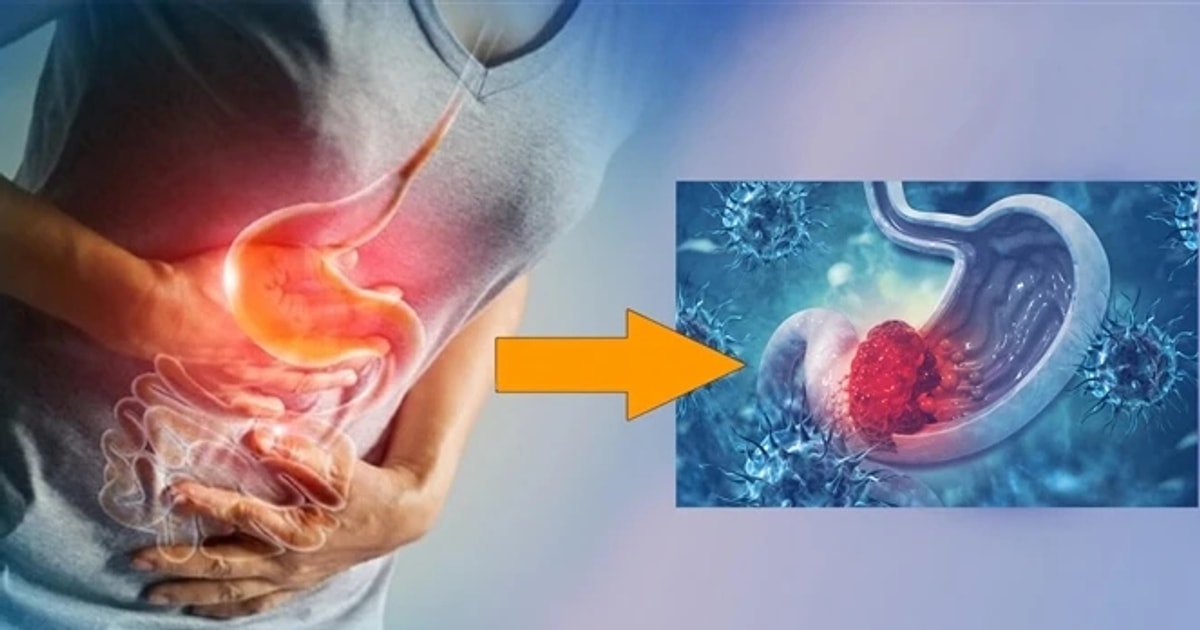
How It Increases Can.cer Risk
The process is usually gradual and develops over many years:
- Chronic inflammation: The bacteria irritate the stomach lining
- Damage to tissues: Repeated inflammation weakens protective layers
- Cell changes: Long-term damage may lead to abnormal cell growth
- Cancer development: In some cases, this progresses to gastric cancer
Not everyone with H. pylori will develop cancer, but it is considered a significant risk factor.
Common Symptoms to Watch For
Many people with H. pylori infection have no symptoms. However, when symptoms do appear, they may include:
- Persistent stomach pain or discomfort
- Bloating and frequent burping
- Nausea or loss of appetite
- Unexplained weight loss
- Frequent indigestion
Because these symptoms are common and often mild, the infection can go unnoticed for years.
5 Groups That Should Consider Urgent Screening
Doctors recommend that certain individuals be especially proactive about testing for H. pylori.
1. People with Chronic Digestive Problems
If you experience ongoing stomach pain, indigestion, or bloating, it may indicate an underlying infection.
2. Individuals with a Family History of Stomach Cancer
Genetic and environmental factors can increase risk. If a close relative has had gastric cancer, screening becomes even more important.
3. Those Diagnosed with Gastric Ulcers or Gastritis
H. pylori is a leading cause of ulcers and chronic inflammation in the stomach lining.
4. People Over 40 with Persistent Symptoms
As age increases, so does the risk of complications. Persistent digestive discomfort in middle age should not be ignored.
5. Individuals Living in High-Risk Environments
Poor sanitation, crowded living conditions, and limited access to clean water can increase the likelihood of infection.
How Is Screening Done?
Testing for H. pylori is relatively simple and non-invasive in many cases. Common methods include:
- Breath tests
- Stool tests
- Blood tests
- Endoscopy (in more complex cases)
Early detection allows for timely treatment, which can significantly reduce risks.
.jpg_pagespeed_ic_s-BQvZkYCL.jpg)
Treatment and Prevention
If detected, H. pylori infection can usually be treated with a combination of antibiotics and medications that reduce stomach acid.
To lower the risk of infection or reinfection:
- Practice good hygiene (wash hands regularly)
- Eat properly cooked food
- Drink clean, safe water
- Avoid sharing utensils in unsanitary conditions
Why Early Action Matters
The biggest danger of H. pylori is not immediate illness, but long-term damage. Because the infection can remain silent, many people do not seek medical attention until complications arise.
Early screening and treatment can:
- Prevent ulcers
- Reduce inflammation
- Lower the risk of gastric cancer
Conclusion
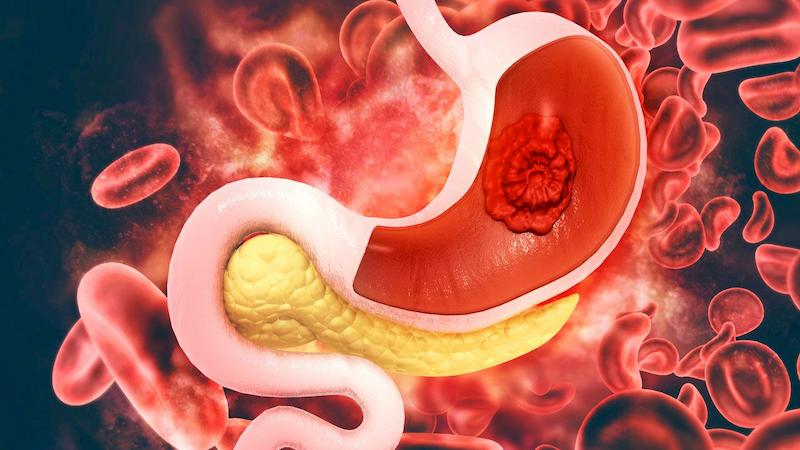
Hidden stomach bacteria like Helicobacter pylori may seem harmless at first, but over time, they can pose serious health risks, including cancer. Doctors emphasize the importance of awareness, especially for high-risk groups.
If you experience persistent digestive symptoms or fall into one of the risk categories, getting screened is a simple but potentially life-saving step. In many cases, early detection is the key to preventing long-term complications and protecting your health.