
If You Have High Blood Pressure or Cholesterol, Avoid These 3 Morning Habits
Start Your Day Right: 3 Morning Habits People With High Blood Pressure Should Avoid
Health 15/03/2026 00:52
Many people occasionally notice swelling in their hands or feet, especially after a long day of standing, traveling, or physical activity. In many cases, this swelling is temporary and harmless. However, persistent or unusual swelling may be the body’s way of signaling that something deeper is happening inside.
Swelling, medically known as edema, occurs when excess fluid becomes trapped in the body’s tissues. The hands, feet, ankles, and legs are particularly prone to swelling because gravity causes fluid to accumulate in the lower parts of the body.
While mild swelling is often related to everyday factors such as heat or prolonged sitting, it can sometimes be linked to underlying health conditions. Understanding the possible causes can help people recognize when swelling might require attention.
One common cause of swelling in the hands and feet is poor blood circulation. When blood does not flow efficiently through the body, fluid may build up in certain areas.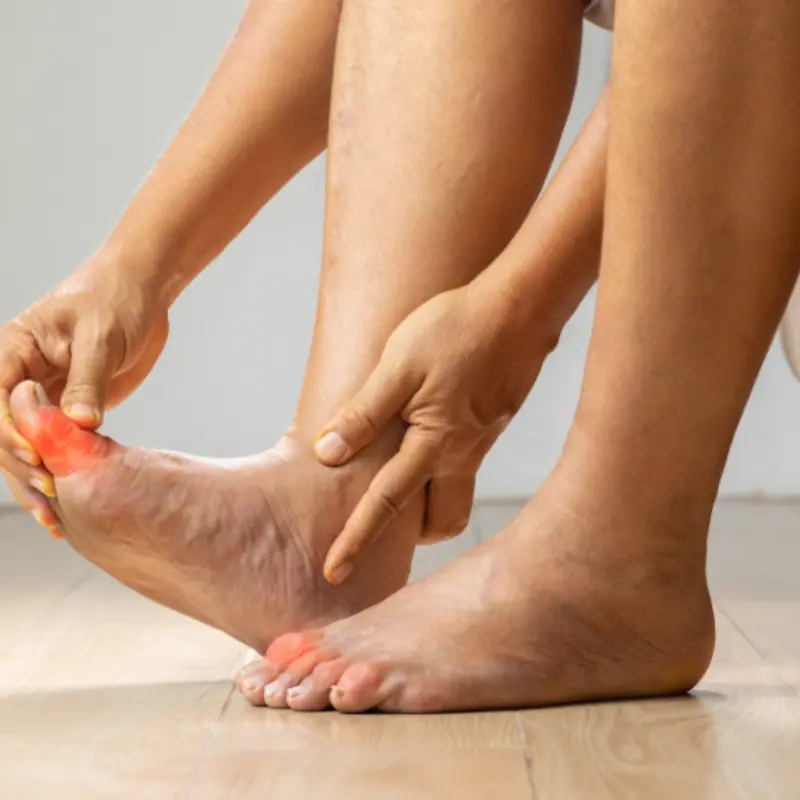
Conditions affecting circulation, such as varicose veins or chronic venous insufficiency, can prevent blood from returning to the heart properly. As a result, pressure builds up in the veins and fluid leaks into surrounding tissues, causing swelling.
People who sit or stand for long periods without moving may also experience temporary circulation-related swelling.
The kidneys play an important role in regulating fluid balance in the body. They filter waste products and remove excess fluids through urine. When the kidneys are not functioning properly, fluid can accumulate in the body’s tissues.
Swelling in the feet, ankles, and sometimes the hands may be one of the early signs of kidney problems. In addition to swelling, people with kidney issues may experience fatigue, changes in urination patterns, or difficulty concentrating.
Because kidney disease can develop gradually, recognizing early symptoms can be important for timely treatment.
Another potential cause of swelling is related to heart function. The heart is responsible for pumping blood throughout the body. If the heart becomes weaker or less efficient, blood may move more slowly through the veins.
This can lead to fluid buildup in the legs, ankles, and feet, a condition often associated with heart failure. When the heart cannot pump effectively, fluid may accumulate in different parts of the body, causing noticeable swelling.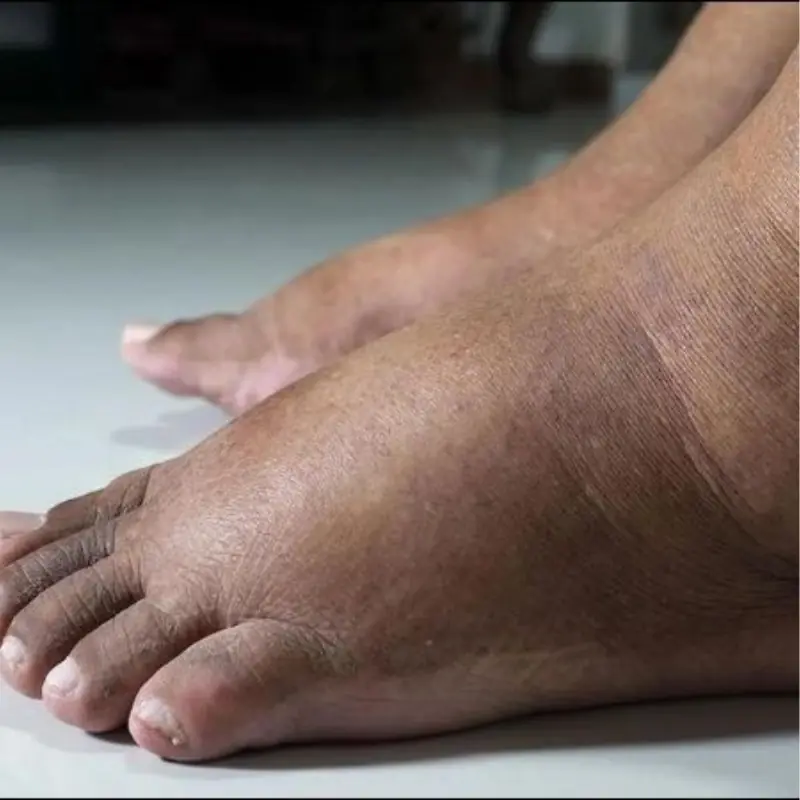
Hormonal fluctuations can also contribute to swelling, particularly in women. Changes in hormone levels during menstruation, pregnancy, or menopause may cause the body to retain more fluid.
This type of swelling is usually temporary and may resolve once hormone levels stabilize. However, during pregnancy, severe swelling accompanied by other symptoms such as headaches or vision changes should always be evaluated by a healthcare professional.
Dietary habits can also play a role in fluid retention. Consuming too much salt can cause the body to hold onto water, leading to swelling in the hands and feet.
Processed foods, fast foods, and packaged snacks often contain high levels of sodium. When sodium levels increase, the body retains more fluid in order to maintain balance.
Reducing salt intake and drinking enough water can help the body regulate fluid levels more effectively.
Swelling can also occur after an injury. Sprains, fractures, or infections can trigger inflammation, which leads to fluid accumulation around the affected area.
In these cases, swelling is usually accompanied by redness, warmth, or pain.
Although mild swelling may not be serious, certain warning signs should not be ignored. People should consider seeking medical advice if swelling:
Appears suddenly without a clear cause
Persists for several days
Is accompanied by pain, redness, or warmth
Occurs along with shortness of breath or chest discomfort
These symptoms may indicate a more serious underlying condition that requires professional evaluation.
Simple lifestyle habits can help reduce the risk of swelling and support healthy circulation. Regular physical activity encourages blood flow and helps prevent fluid buildup. Elevating the legs when resting and wearing comfortable footwear can also help reduce pressure in the lower body.
Drinking enough water and maintaining a balanced diet low in excessive sodium can further support the body’s natural fluid balance.
Swelling in the hands and feet is something many people experience at some point in their lives. Often, it is simply the result of temporary fluid retention or environmental factors. However, the body sometimes uses swelling as a signal that something may require attention.
By paying attention to these changes and understanding their possible causes, individuals can make informed decisions about their health and seek medical advice when necessary.
In the end, the body has its own way of communicating. Learning to recognize and interpret these signals can be an important step toward maintaining long-term wellbeing.
Start Your Day Right: 3 Morning Habits People With High Blood Pressure Should Avoid
Your Feet Are Sending Signals: 12 Possible Signs of High Blood Sugar and Diabetes

After carefully reviewing the couple’s daily habits, doctors identified a “silent culprit” — a refrigerator that was always overstuffed and rarely cleaned.
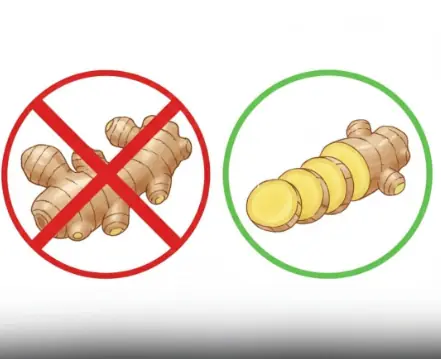
Ginger is often celebrated for its powerful anti-inflammatory and digestive benefits. It’s a popular home remedy for nausea, colds, and muscle pain — and for most people, it’s perfectly safe.
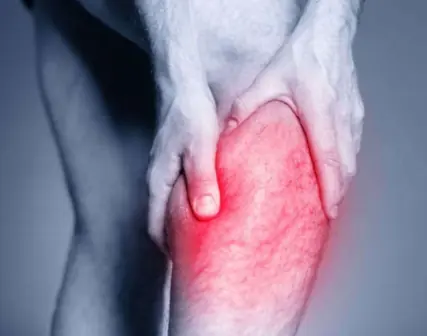
Have you ever wondered if your heart is really doing okay? It’s a big question, especially since heart disease is a major cause of death worldwide.
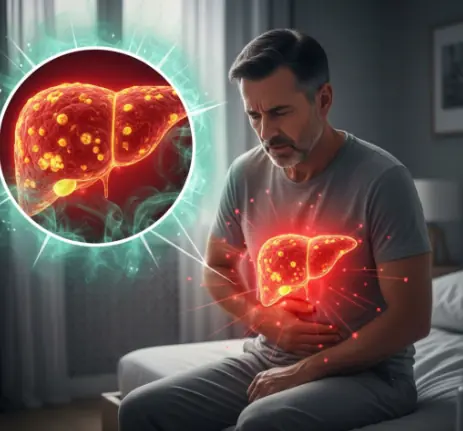
Fatty liver disease is a serious condition that can quietly harm your health over time.

The ultra-wealthy are investing in cryogenic freezing, preserving their bodies at ultra-low temperatures with the hope that future science will bring them back to life.
For millions of people worldwide, mornings simply don’t begin until that first aromatic sip of coffee.

7 Morning Signs That May ‘Betray’ Diabetes
You clear your throat… again. That sticky, stubborn mucus just won’t budge—no matter how much you cough, swallow, or sip water.

Cancer is one of the greatest threats to human health.
3 inti.mate habits of husbands that may increase wives ri.sk of cer.vical can.cer
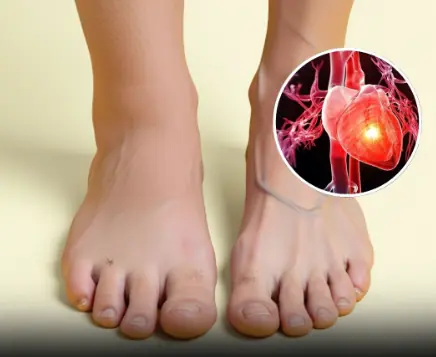
Did you know that the main cause of death in the US are heart attacks?
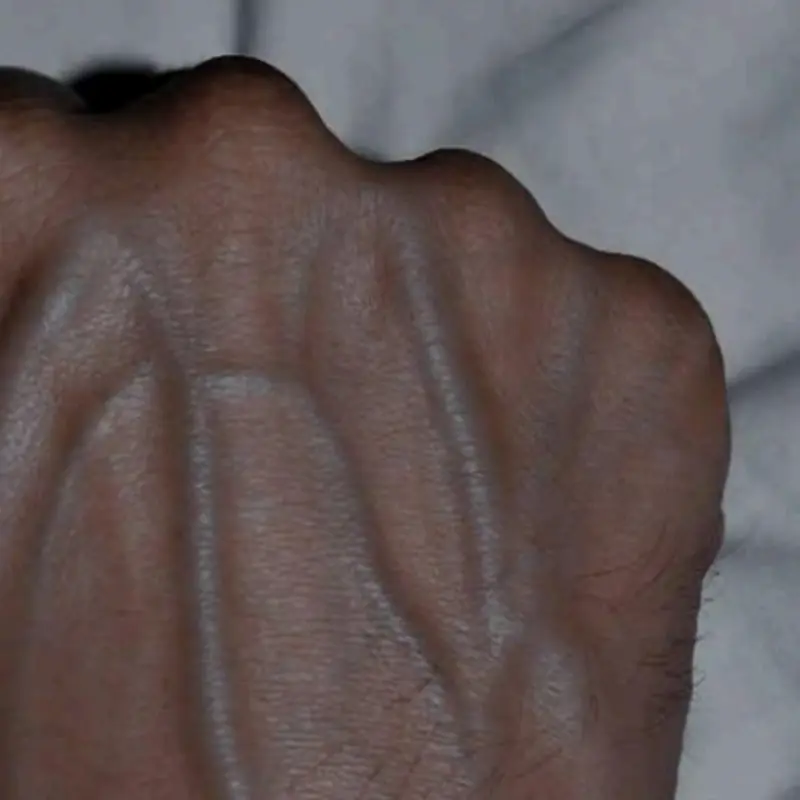
Visible hand veins are common but may reflect health changes

You Might Be Eating Fruit the Wrong Way Every Day
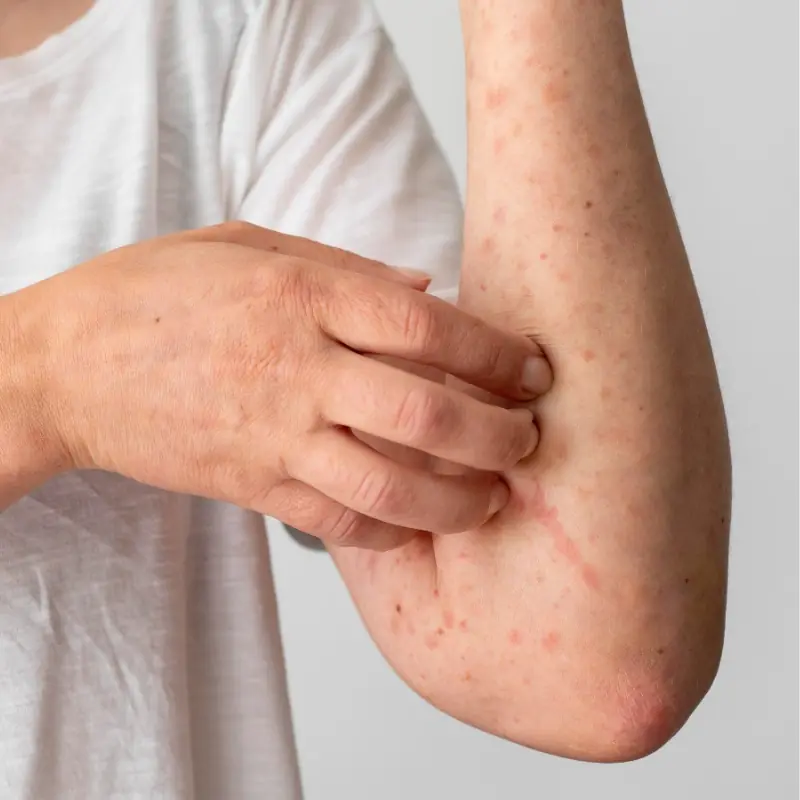
Subtle body changes may signal early kidney health problems.

Just 3 Ingredients — A Simple Drink Before Bed
Are you noticing that your vision isn’t as sharp as it used to be?
Start Your Day Right: 3 Morning Habits People With High Blood Pressure Should Avoid
Your Feet Are Sending Signals: 12 Possible Signs of High Blood Sugar and Diabetes
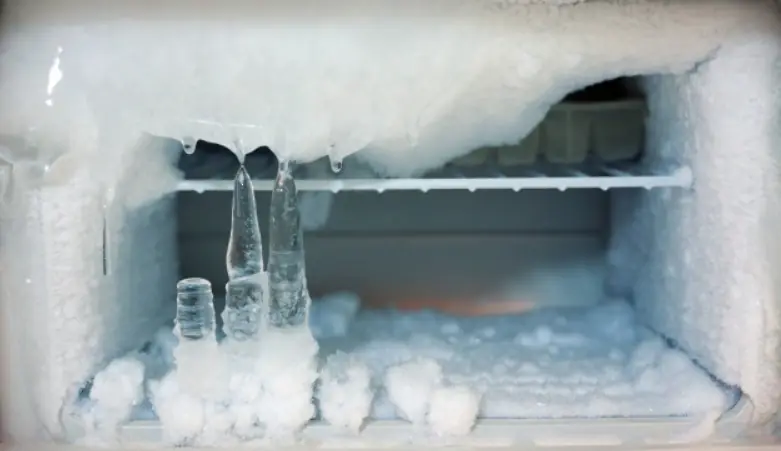
Freezer Filled with Ice? Do This Simple Fix Right Away
After carefully reviewing the couple’s daily habits, doctors identified a “silent culprit” — a refrigerator that was always overstuffed and rarely cleaned.
Ginger is often celebrated for its powerful anti-inflammatory and digestive benefits. It’s a popular home remedy for nausea, colds, and muscle pain — and for most people, it’s perfectly safe.
Have you ever wondered if your heart is really doing okay? It’s a big question, especially since heart disease is a major cause of death worldwide.
Fatty liver disease is a serious condition that can quietly harm your health over time.
The ultra-wealthy are investing in cryogenic freezing, preserving their bodies at ultra-low temperatures with the hope that future science will bring them back to life.
For millions of people worldwide, mornings simply don’t begin until that first aromatic sip of coffee.
7 Morning Signs That May ‘Betray’ Diabetes
You clear your throat… again. That sticky, stubborn mucus just won’t budge—no matter how much you cough, swallow, or sip water.
Cancer is one of the greatest threats to human health.
3 inti.mate habits of husbands that may increase wives ri.sk of cer.vical can.cer
Did you know that the main cause of death in the US are heart attacks?

Most Guests Think It’s Decoration — But The Truth Is Different
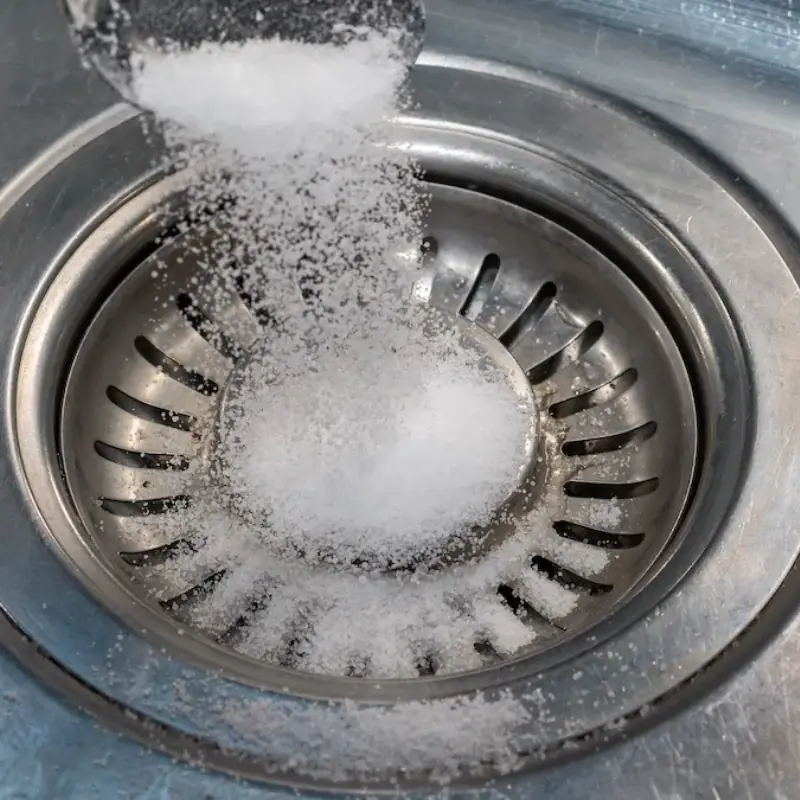
A simple salt trick may help keep drains cleaner overnight.

Easy ways to clean your phone speaker and restore sound quality.