The liver is one of the hardest-working organs in the human body. It filters toxins, processes nutrients, supports digestion, and plays a key role in metabolism. Yet despite its importance, liver problems often develop quietly. Many early warning signs are subtle and easy to ignore until the condition becomes serious.
Recognizing the signals your body sends can help you detect potential liver issues early and seek appropriate care. Here are 14 common signs that may indicate your liver needs attention.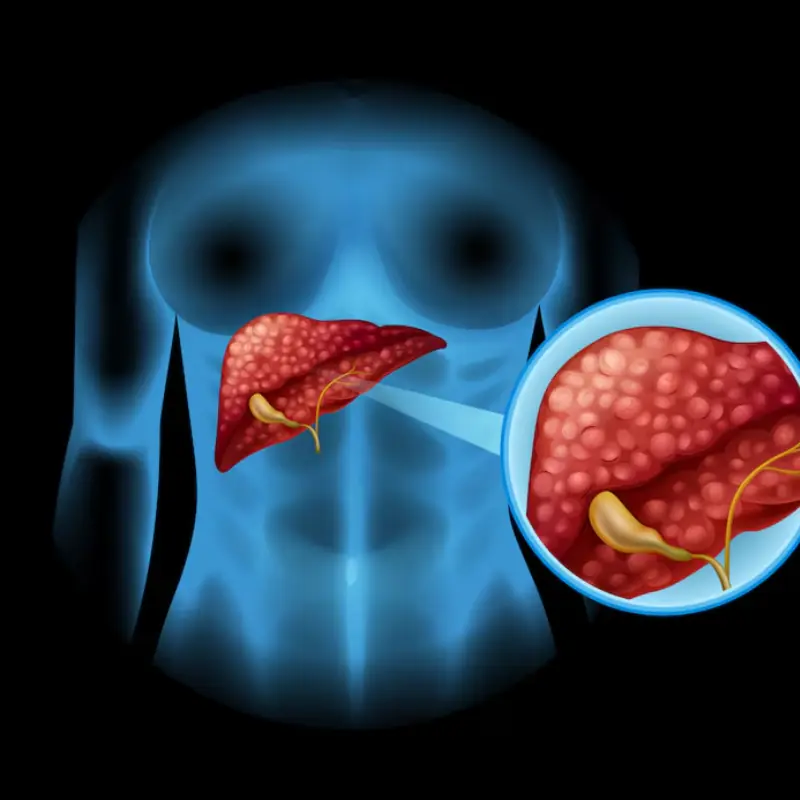
1. Persistent fatigue
Constant tiredness that doesn’t improve with rest may be an early indicator of liver dysfunction. When the liver struggles to filter toxins effectively, harmful substances can build up in the bloodstream, leaving you feeling drained and sluggish.
2. Yellowing of the skin or eyes
One of the most well-known signs of liver trouble is jaundice. This occurs when bilirubin, a yellow pigment produced during the breakdown of red blood cells, accumulates in the body. The result is a yellow tint in the skin and the whites of the eyes.
3. Dark urine
Urine that appears darker than usual, even when you are well hydrated, can signal liver problems. Elevated bilirubin levels may cause urine to turn amber or brownish in color.
4. Pale or clay-colored stools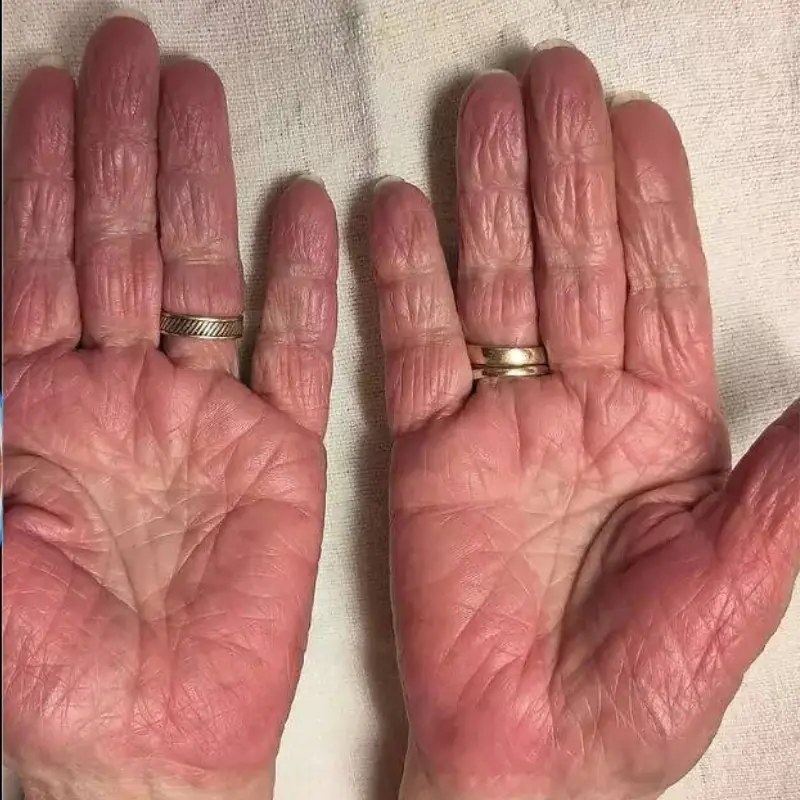
Healthy bile produced by the liver helps give stool its typical brown color. If the liver isn’t functioning properly or bile flow is blocked, stools may appear pale, gray, or clay-colored.
5. Abdominal swelling
Fluid accumulation in the abdomen, known as ascites, can occur when liver disease progresses. This condition often causes visible swelling and discomfort, particularly in advanced stages of liver damage.
6. Easy bruising
The liver produces proteins essential for blood clotting. When it becomes impaired, your body may bruise more easily or experience prolonged bleeding from minor injuries.
7. Itchy skin
Chronic itching without an obvious cause can sometimes be linked to liver disease. A buildup of bile salts under the skin may trigger persistent irritation and discomfort.
8. Loss of appetite
A sudden or ongoing lack of interest in food may signal liver issues. The liver plays a vital role in digestion, and when it isn’t functioning properly, appetite can decline.
9. Nausea or vomiting
Frequent nausea, especially when paired with fatigue or abdominal discomfort, may be connected to liver stress or inflammation.
10. Swelling in the legs and ankles
Fluid retention isn’t limited to the abdomen. Liver problems can also lead to swelling in the lower limbs due to changes in circulation and protein production.
11. Bad breath
A musty or slightly sweet odor on the breath, sometimes referred to as “fetor hepaticus,” can occur in severe liver conditions when toxins accumulate in the body.
12. Mental confusion
Difficulty concentrating, forgetfulness, or confusion may develop when the liver fails to remove toxins efficiently. These toxins can affect brain function, a condition known as hepatic encephalopathy.
13. Red or blotchy palms
Redness or blotchy patterns on the palms, often called palmar erythema, can be associated with liver conditions due to hormonal and circulatory changes.
14. Unexplained weight changes
Sudden weight loss or gain without clear reason may signal underlying liver problems, especially when combined with other symptoms like fatigue or abdominal swelling.
Protecting your liver health
The liver has a remarkable ability to heal and regenerate, but it still requires proper care. Maintaining a balanced diet, staying hydrated, limiting alcohol consumption, exercising regularly, and avoiding unnecessary medications can support liver function.
Regular health checkups are also essential. Blood tests and imaging can detect liver issues before symptoms become severe. If you notice multiple warning signs or persistent changes in your health, seeking medical advice is crucial.
Early awareness makes a difference
Many liver conditions are manageable or even reversible when detected early. Paying attention to subtle changes in your body can make a significant difference in protecting your long-term health. By recognizing the warning signs and taking proactive steps, you can support your liver and overall well-being for years to come.