Cancer is one of the most widely studied health conditions in the world, and scientists continue to explore the many factors that may influence a person’s risk of developing it. These factors include genetics, lifestyle choices, environmental exposures, and even biological characteristics such as blood type. In recent years, researchers have investigated whether certain blood types may be associated with differences in cancer risk.
While blood type alone does not determine whether someone will develop cancer, some scientific studies have suggested that there may be small statistical differences in risk among the various blood groups. Understanding these findings can help people become more aware of how biology and lifestyle together influence long-term health.
Understanding Blood Types
Human blood is generally classified into four main groups: A, B, AB, and O. These groups are determined by the presence or absence of specific antigens—proteins located on the surface of red blood cells.
In addition to the ABO classification system, blood is also categorized by the Rh factor, which can be positive or negative. This creates common blood types such as A+, O+, B-, and others.
Blood types are inherited genetically from parents and remain the same throughout life. Although blood type is most commonly discussed in relation to blood transfusions and organ transplants, scientists have also explored whether it may influence susceptibility to certain diseases.
Research on Blood Type and Cancer Risk
Several studies have examined whether certain blood types are associated with higher or lower risks of particular cancers. Some research suggests that individuals with blood type O may have slightly lower risk for certain types of cancer compared to other blood groups.
For example, studies investigating stomach and pancreatic cancers have observed that people with blood types A, B, or AB may show a slightly higher incidence of these cancers compared to those with type O blood. However, these findings represent statistical trends rather than absolute outcomes.
It is important to emphasize that having a particular blood type does not guarantee protection from cancer or ensure that someone will develop it. The relationship between blood type and cancer risk remains an area of ongoing research.
Possible Biological Explanations
Scientists are still exploring why blood type might influence cancer risk. One possible explanation involves the way blood group antigens interact with the immune system.
Blood type antigens may affect how the body responds to inflammation, infection, and cellular changes. Inflammation is known to play a role in many chronic diseases, including certain cancers.
Another possibility is that blood type may influence how certain bacteria interact with the body. For example, some studies have examined the relationship between blood type and susceptibility to infections such as Helicobacter pylori, a bacterium linked to stomach cancer.
These biological interactions are complex and still being studied by researchers around the world.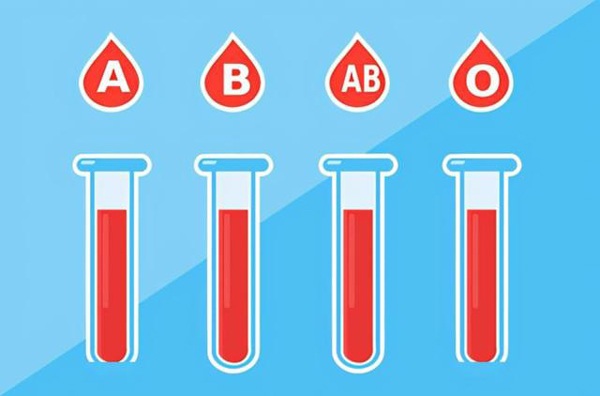
Lifestyle Still Plays a Much Larger Role
Even if small associations between blood type and cancer risk exist, experts consistently emphasize that lifestyle choices have a far greater impact on overall cancer risk.
Factors such as smoking, excessive alcohol consumption, poor diet, lack of physical activity, and exposure to environmental toxins have much stronger links to cancer development than blood type.
Maintaining a healthy lifestyle can significantly reduce the risk of many chronic diseases, including certain cancers.
The Importance of Healthy Habits
Medical professionals recommend several key habits to support long-term health and reduce cancer risk. These include eating a balanced diet rich in fruits, vegetables, whole grains, and lean proteins.
Regular physical activity is also important for maintaining a healthy body weight and supporting immune function. Avoiding tobacco products and limiting alcohol consumption are among the most effective ways to reduce cancer risk.
Routine medical checkups and recommended screenings can also help detect health problems early when they are easier to treat.
Why Research in This Area Continues
The relationship between blood type and disease risk remains an interesting field of study because it may provide insight into how the human body interacts with various biological processes.
By studying large populations and analyzing long-term health outcomes, researchers can identify patterns that may help improve understanding of disease mechanisms.
These discoveries may eventually contribute to more personalized approaches to medicine, where individual characteristics such as genetics, lifestyle, and biological markers are considered when developing prevention strategies.
Avoiding Misinterpretation
It is important not to overinterpret findings about blood type and disease risk. Media headlines sometimes simplify complex scientific studies, which can lead to misunderstandings.
The differences in risk observed between blood types are typically small and influenced by many other factors. Therefore, knowing one’s blood type should not cause unnecessary concern or provide a false sense of security.
Health experts encourage focusing on controllable factors such as diet, exercise, and preventive healthcare rather than relying on biological traits that cannot be changed.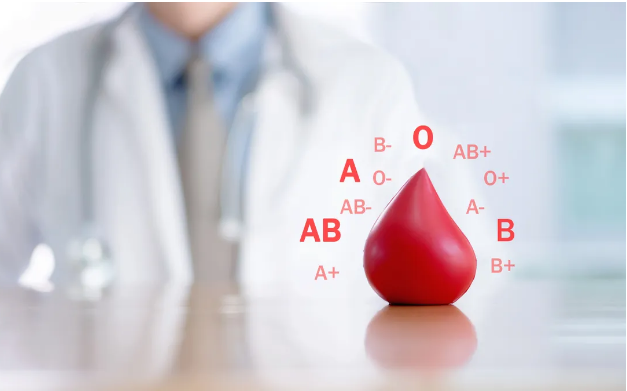
Conclusion
Research exploring the relationship between blood type and cancer risk continues to evolve. Some studies suggest that individuals with blood type O may have slightly lower statistical risk for certain cancers compared to other blood groups, but these differences are generally modest and not definitive.
Blood type is only one small piece of a much larger health picture. Lifestyle choices, environmental factors, and regular medical care play far more important roles in determining overall health outcomes.
By maintaining healthy habits and staying informed about medical recommendations, individuals can take meaningful steps to protect their health regardless of their blood type.