The liver is one of the most remarkable organs in the human body. Working around the clock, it performs more than 500 essential functions, including filtering toxins, processing nutrients, regulating metabolism, producing bile for digestion, and storing important vitamins and minerals.
Unlike many other organs, the liver has an incredible ability to regenerate itself. However, this does not mean it is immune to damage. In fact, many people unknowingly place extra strain on their liver every day through seemingly harmless lifestyle habits.
One of the challenges with liver health is that problems often develop silently. The liver can continue functioning even when damaged, meaning symptoms may not appear until significant stress has already occurred.
Here are some common everyday habits that may be quietly overworking your liver.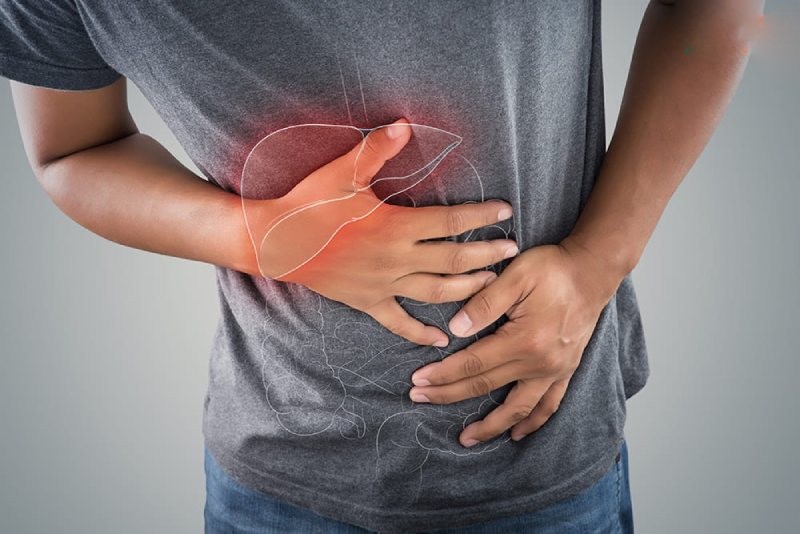
1. Consuming Too Much Added Sugar
Most people associate liver problems with alcohol, but excess sugar can also have a significant impact.
When large amounts of sugar are consumed, particularly fructose found in many sweetened foods and beverages, the liver must process the excess.
Common sources include:
- Soft drinks
- Sweetened coffee drinks
- Candy
- Pastries
- Packaged desserts
- Flavored yogurts
Why It Matters
When the body receives more sugar than it needs for energy, the liver may convert the excess into fat.
Over time, this can contribute to fat accumulation within the liver.
Reducing added sugar intake can help support healthier liver function.
2. Frequently Eating Ultra-Processed Foods
Modern diets often contain a large number of highly processed foods.
Examples include:
- Fast food
- Packaged snacks
- Instant noodles
- Processed meats
- Frozen convenience meals
These foods are often high in:
- Sodium
- Added sugars
- Unhealthy fats
- Artificial additives
The Liver's Role
The liver helps process many of these substances.
While occasional consumption is unlikely to cause major problems, relying heavily on ultra-processed foods may increase the liver's workload over time.
3. Excessive Alcohol Consumption
Alcohol remains one of the most well-known contributors to liver damage.
The liver is responsible for breaking down alcohol and removing it from the bloodstream.
What Happens
As alcohol is metabolized, byproducts are produced that can damage liver cells.
Over time, excessive alcohol intake may contribute to:
- Fatty liver disease
- Alcoholic hepatitis
- Cirrhosis
Even individuals who do not drink heavily every day may place stress on the liver through frequent binge drinking.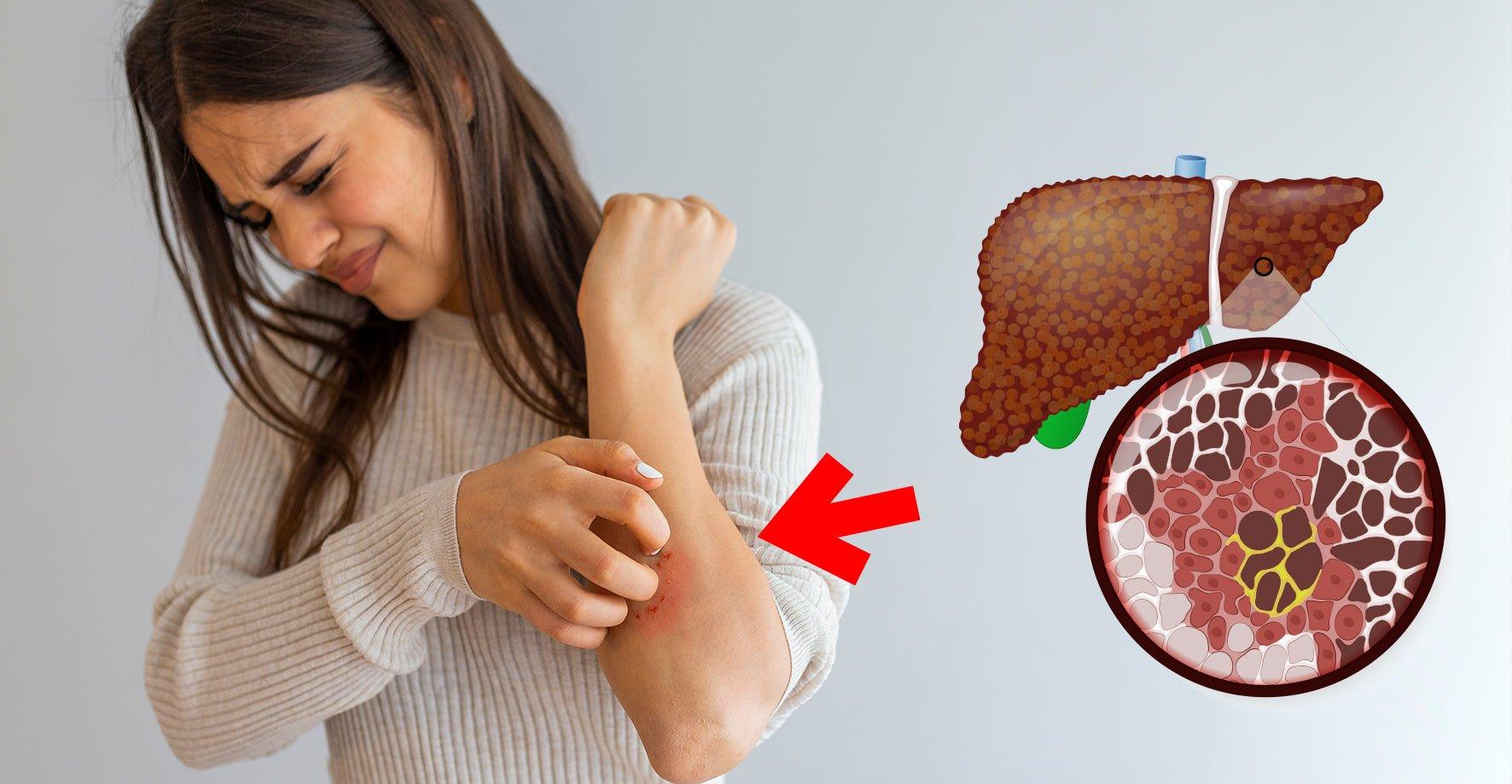
4. Lack of Physical Activity
Physical inactivity affects more than just weight and cardiovascular health.
A sedentary lifestyle may contribute to:
- Weight gain
- Insulin resistance
- Fat accumulation in the liver
Why Exercise Helps
Regular physical activity improves how the body uses glucose and fat.
This can reduce the burden on the liver and support overall metabolic health.
Even moderate exercise can make a meaningful difference.
5. Poor Sleep Habits
Many people underestimate the importance of sleep.
Research suggests that sleep plays a key role in metabolic regulation and overall health.
Potential Effects of Sleep Deprivation
Poor sleep may contribute to:
- Increased inflammation
- Hormonal imbalances
- Weight gain
- Insulin resistance
These factors can indirectly affect liver function.
Consistently getting adequate, high-quality sleep supports the body's natural repair processes.
6. Overusing Certain Medications
Many medications are processed through the liver.
While medicines can be highly beneficial when used appropriately, excessive or improper use may place additional stress on the liver.
Examples include:
- Certain pain relievers
- Some herbal supplements
- Certain prescription medications
Important Reminder
Always follow dosage recommendations and consult healthcare professionals before combining medications or supplements.
Self-medicating can sometimes increase the risk of liver injury.
7. Not Drinking Enough Water
Hydration supports many bodily functions, including those performed by the liver.
Water helps transport nutrients and assists the body in eliminating waste products.
Signs of Inadequate Hydration
- Fatigue
- Headaches
- Dark urine
- Dry mouth
Although dehydration alone does not directly cause liver disease, proper hydration supports the body's natural detoxification processes.
8. Carrying Excess Body Weight
Excess body fat, particularly around the abdomen, is associated with an increased risk of fatty liver disease.
Why It Happens
Extra body fat can contribute to:
- Insulin resistance
- Chronic inflammation
- Metabolic dysfunction
These factors may encourage fat accumulation within liver cells.
Maintaining a healthy weight through balanced nutrition and regular exercise can help reduce liver stress.
9. Smoking
Smoking affects nearly every organ in the body, including the liver.
Cigarette smoke contains thousands of chemicals that must be processed and eliminated.
Potential Effects
Smoking may:
- Increase oxidative stress
- Promote inflammation
- Reduce overall liver health
Quitting smoking provides benefits for both the liver and overall health.
10. Ignoring Routine Health Checkups
Liver problems often develop without obvious symptoms.
Many individuals discover liver abnormalities only after routine blood tests.
Regular health screenings can help identify:
- Elevated liver enzymes
- Metabolic disorders
- Diabetes
- High cholesterol
Early detection allows for timely intervention before more serious complications develop.
Signs That Your Liver May Need Attention
Liver disease can remain silent for years, but some symptoms may eventually appear.
Possible warning signs include:
- Persistent fatigue
- Yellowing of the skin or eyes
- Abdominal discomfort
- Swelling in the abdomen
- Dark urine
- Pale stools
- Unexplained itching
- Loss of appetite
Anyone experiencing these symptoms should seek medical evaluation.
Foods That Support Liver Health
While no food can completely protect the liver, certain dietary choices may support healthy function.
Examples include:
Vegetables
- Broccoli
- Spinach
- Kale
- Brussels sprouts
Fruits
- Berries
- Citrus fruits
- Apples
Healthy Fats
- Avocados
- Olive oil
- Nuts
Lean Proteins
- Fish
- Poultry
- Beans
- Lentils
A balanced diet rich in whole foods can help reduce unnecessary stress on the liver.
Healthy Habits for a Stronger Liver
Simple lifestyle changes can have a significant impact over time.
Consider:
- Limiting added sugars
- Reducing alcohol intake
- Exercising regularly
- Staying hydrated
- Getting enough sleep
- Avoiding smoking
- Maintaining a healthy weight
- Following medication instructions carefully
Small improvements practiced consistently often produce the greatest long-term benefits.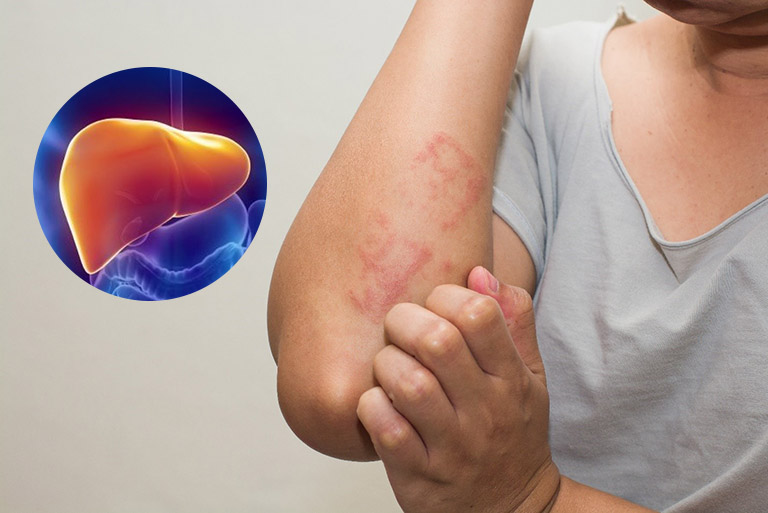
Final Thoughts
The liver works tirelessly every day to keep the body functioning properly, yet many common lifestyle habits can quietly increase its workload. Excess sugar, processed foods, alcohol, physical inactivity, poor sleep, dehydration, smoking, and weight gain may all contribute to additional stress on this vital organ.
The good news is that many of these factors are within our control. By making healthier choices and paying attention to daily habits, it is possible to support liver health and reduce the risk of future problems.
Because liver disease often develops silently, prevention remains one of the most powerful tools. Taking care of your liver today can help protect your health for years to come.