Waking up in the middle of the night with a sudden, sharp muscle cramp is more than just uncomfortable - it can be genuinely painful and
disruptive. Night cramps, especially in the calves, feet, or thighs, affect millions of people and often strike without warning. One moment
you’re asleep, the next you’re sitting up, trying to stretch out a muscle that feels locked in place.
The good news? Night cramps are common, usually manageable, and often preventable. With a few simple habits and adjustments, many
people can reduce how often they happen - or stop them altogether.
Let’s break down what causes night cramps and what you can do to finally get a full, uninterrupted night’s sleep.
What Are Night Cramps?
Night cramps are sudden, involuntary muscle contractions that typically occur during sleep or while resting at night. They most commonly
affect:
-
Calves
-
Feet
-
Toes
-
Thighs
These cramps can last anywhere from a few seconds to several minutes and may leave lingering soreness afterward.
While they’re usually harmless, frequent night cramps can interfere with sleep quality and overall well-being.
Why Do Night Cramps Happen?
Night cramps don’t have just one cause. They usually result from a combination of factors, including:
1. Muscle Fatigue
Overusing muscles during the day - especially from standing, walking, exercising, or physical labor - can make them more prone to cramping
at night.
2. Dehydration
Not drinking enough fluids can disrupt the balance of electrolytes like sodium, potassium, and magnesium, which are essential for proper
muscle function.
3. Mineral Imbalances
Low levels of magnesium, potassium, or calcium may increase the likelihood of muscle cramps, particularly at night when muscles are relaxed.
4. Poor Circulation
Reduced blood flow to the legs while lying down can contribute to cramping, especially in older adults.
5. Prolonged Sitting or Poor Sleeping Position
Sitting for long periods or sleeping with your feet pointed downward can shorten muscles and trigger cramps.
6. Certain Medical Conditions or Medications
Conditions such as diabetes, nerve disorders, or kidney disease—and some medications like diuretics—may increase the risk of night cramps.

Simple Tips to Prevent Painful Night Cramps
1. Stretch Before Bed
Gentle stretching before sleep is one of the most effective ways to prevent night cramps.
Focus on:
-
Calf stretches
-
Hamstring stretches
-
Foot and ankle mobility
Hold each stretch for 20–30 seconds without bouncing. This helps relax muscles and reduce sudden contractions during the night.
2. Stay Hydrated Throughout the Day
Dehydration is a major trigger for cramps.
Try to:
-
Drink water consistently, not just at night
-
Increase fluid intake if you sweat a lot or exercise
-
Limit excessive caffeine or alcohol, which can dehydrate the body
Your urine color is a simple guide - pale yellow usually means good hydration.
3. Support Healthy Mineral Intake
Balanced electrolytes help muscles contract and relax properly.
Foods that may help:
-
Bananas, oranges, and avocados (potassium)
-
Leafy greens, nuts, and seeds (magnesium)
-
Dairy products or fortified foods (calcium)
If cramps are frequent, a healthcare professional can help determine whether supplements are appropriate.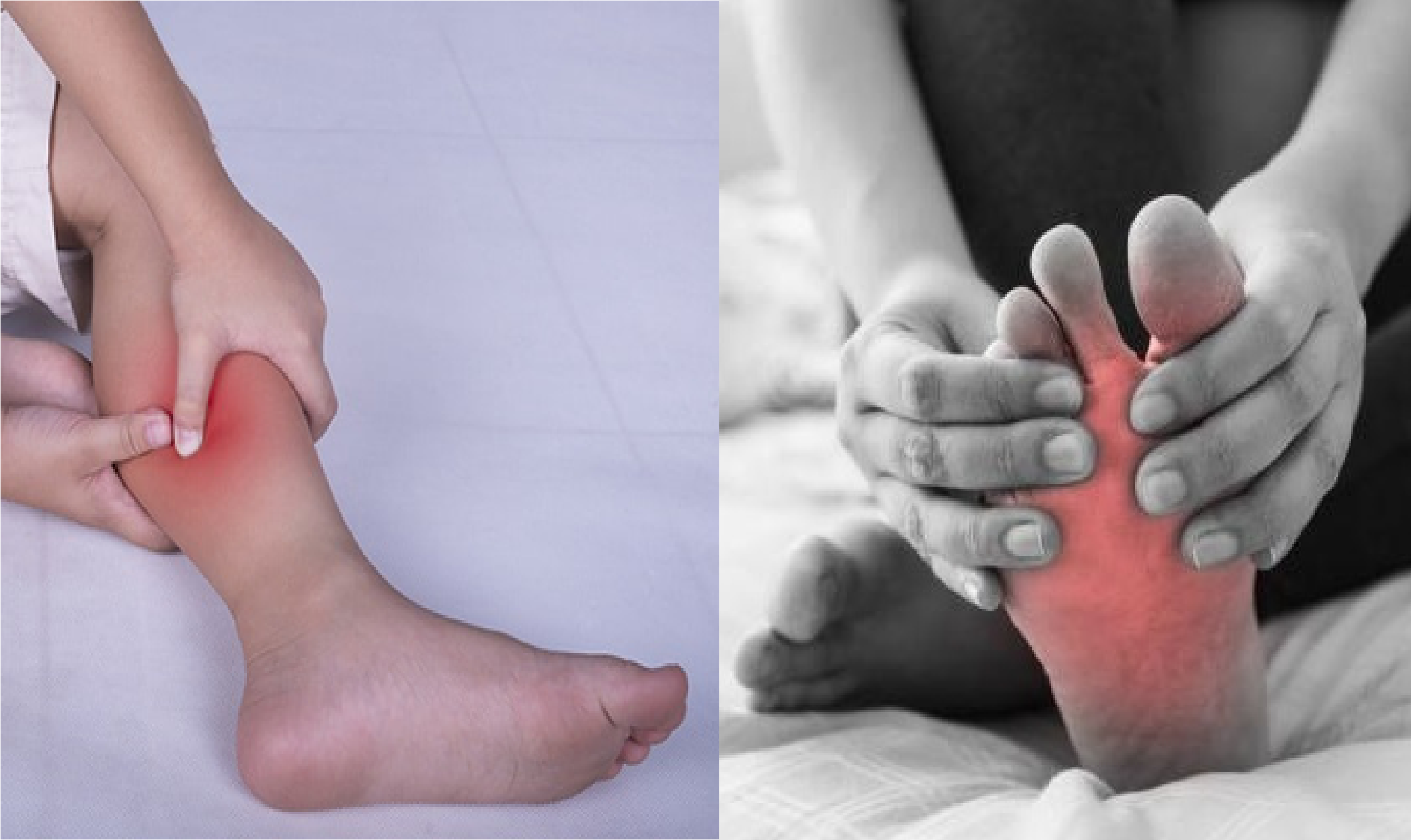
4. Improve Your Sleeping Position
How you sleep matters more than you might think.
Try to:
-
Avoid sleeping with toes pointed downward
-
Keep blankets loose around your feet
-
Sleep on your back with a pillow under your knees or on your side with a pillow between your legs
These positions help keep muscles in a relaxed, neutral state.
5. Warm Up Your Muscles
Warm muscles cramp less than cold ones.
Helpful options include:
-
A warm shower before bed
-
A heating pad on calves or thighs
-
Wearing warm socks to bed
Heat improves circulation and helps muscles stay relaxed overnight.
6. Move More During the Day (But Smartly)
Regular, moderate movement improves circulation and muscle health.
Aim for:
-
Daily walking
-
Light stretching breaks if you sit for long periods
-
Avoiding sudden increases in exercise intensity
Consistency matters more than intensity.
7. Massage Cramp-Prone Areas
Massaging the calves and feet before bed can reduce muscle tension and improve blood flow.
You can:
-
Use your hands or a massage roller
-
Apply a gentle massage oil or lotion
-
Focus on slow, deep strokes
This signals muscles to relax before sleep.
8. Respond Quickly When a Cramp Hits
If a night cramp does occur:
-
Gently stretch the muscle immediately
-
Flex your foot upward if the calf is cramped
-
Massage the area and apply warmth
Avoid forcing the muscle, as this can worsen soreness afterward.
When Should You See a Doctor?
Occasional night cramps are usually harmless. However, medical advice is important if:
-
Cramps happen frequently or worsen over time
-
Pain is severe or persistent
-
You notice swelling, redness, or numbness
-
Cramps interfere regularly with sleep
These could indicate an underlying condition that needs attention.
Final Thoughts
Night cramps may feel sudden and unavoidable, but in many cases, they’re your body’s way of signaling dehydration, muscle fatigue, or
imbalance. The solution is often surprisingly simple: better hydration, gentle stretching, improved sleep posture, and consistent movement.
With a few small daily changes, many people find they can sleep through the night again - without waking up to pain.
Sometimes, the difference between restless nights and restful sleep really is that simple.