I experience 6 of these
Health 02/01/2026 18:33
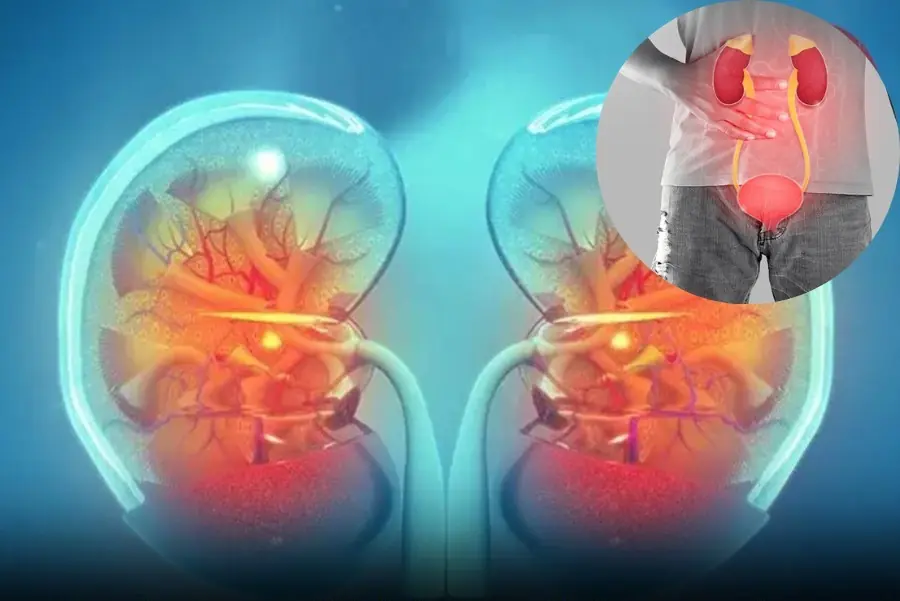
The kidneys work quietly every day, filtering waste, balancing fluids, and regulating blood pressure. Because they are so efficient, early kidney problems often develop silently, with symptoms that are easy to dismiss—especially in the morning.
Feeling something unusual after waking up does not automatically mean kidney disease. However, repeated or persistent morning symptoms can be the body’s way of asking for attention. Understanding these signs early can help prevent long-term damage.
During sleep, the body slows down fluid movement, circulation, and waste elimination. If the kidneys are under strain, morning is often when subtle changes become noticeable.
Kidney disease usually progresses gradually. The goal is not panic—but awareness.
One of the most common early signs of kidney stress is morning swelling, especially around the eyes or in the hands and feet.
Why this can happen:
Kidneys regulate fluid balance
When filtering is impaired, excess fluid may build up
Swelling is often more visible after lying down overnight
Occasional puffiness can be caused by salt intake or poor sleep. However, persistent swelling that appears regularly should not be ignored.
Urine provides important clues about kidney health.
Potential warning signs include:
Very dark or unusually pale urine
Foamy or bubbly urine
Reduced or excessive urine output
Strong odor that persists
Foamy urine, in particular, may indicate protein leakage, which can be an early sign of kidney dysfunction. Temporary changes can occur due to dehydration, but ongoing changes warrant medical evaluation.
Waking up tired despite adequate sleep is a common but often overlooked symptom.
How kidney problems contribute to fatigue:
Waste products may accumulate in the blood
Anemia can develop due to reduced hormone production
Electrolyte imbalance affects muscle and nerve function
When fatigue becomes persistent and unexplained, it is a sign the body may not be detoxifying efficiently.
Kidneys are located in the lower back, just below the rib cage on either side of the spine.
What to pay attention to:
Dull or persistent ache
Discomfort that does not improve with movement
Pain that returns regularly in the morning
Not all back pain is kidney-related. Muscle strain is common. However, pain combined with other symptoms should be evaluated.
Experiencing one or even several of these symptoms does not automatically mean kidney disease. Many conditions—such as dehydration, hormonal changes, poor sleep, or dietary factors—can cause similar signs.
Only medical tests can confirm kidney function, including:
Blood tests (creatinine, eGFR)
Urine analysis
Blood pressure monitoring
Self-diagnosis should always be avoided.
Some individuals have a higher risk of kidney disease and should be particularly attentive to symptoms:
People with diabetes
People with high blood pressure
Those with a family history of kidney disease
Individuals using painkillers frequently
Older adults
Early monitoring in these groups is critical.
Healthy kidneys benefit from consistent daily habits:
Drink adequate water, unless otherwise advised by a doctor
Limit excessive salt intake
Avoid unnecessary painkiller use
Manage blood pressure and blood sugar
Maintain a balanced diet
Get regular health checkups
Small changes practiced consistently can significantly slow disease progression.
Contact a healthcare provider if symptoms:
Persist for weeks
Worsen over time
Are accompanied by fever, severe pain, or blood in urine
Early intervention often prevents complications and preserves kidney function.
Kidney disease rarely announces itself loudly in the beginning. Instead, it often whispers through morning swelling, fatigue, urine changes, and discomfort.
Listening to these signals does not mean assuming the worst—it means choosing awareness over neglect. When it comes to kidney health, early attention can make a lifelong difference.
Your body speaks quietly. Paying attention early is an act of care, not fear.