Stroke at 19: Doctors Warn These 5 Symptoms Could Save a Life
Stroke is often thought of as a disease that affects older adults, but medical data shows a troubling reality: strokes are increasingly occurring in teenagers and young adults. While still less common than in older populations, strokes at ages as young as 19 are very real—and often missed because the symptoms are ignored or misunderstood.
Recognizing early warning signs can be the difference between full recovery and permanent damage. In some cases, it can save a life.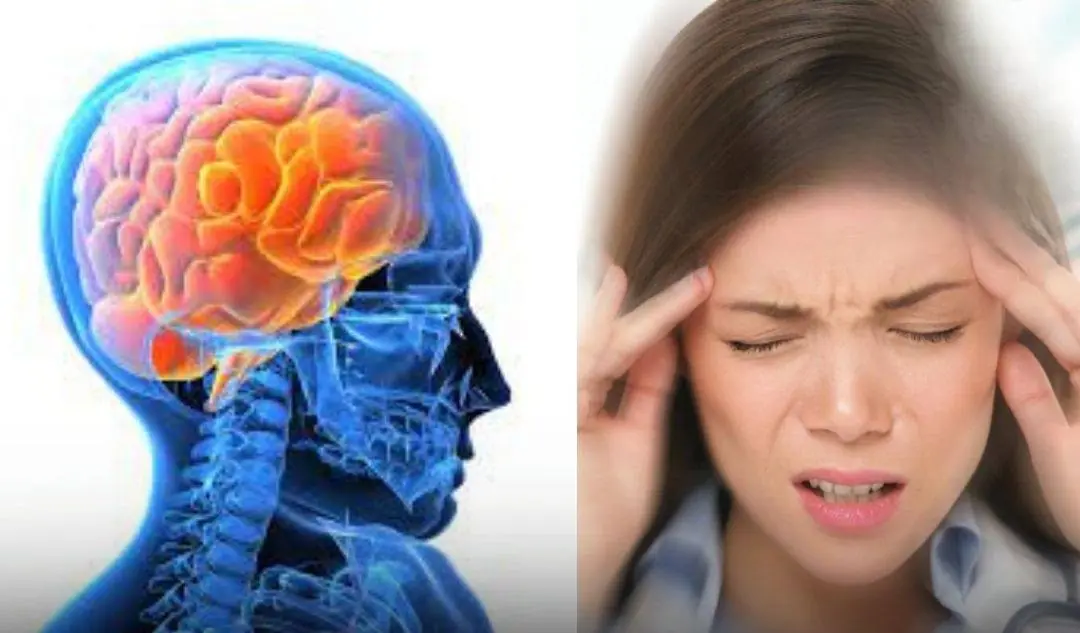
Why Stroke Can Happen at a Young Age
A stroke occurs when blood flow to part of the brain is blocked or when a blood vessel ruptures. In young people, risk factors may include:
-
Undiagnosed heart conditions
-
Blood clotting disorders
-
Severe migraines with aura
-
Hormonal factors
-
Smoking, vaping, or substance use
-
Extreme stress or sleep deprivation
Age does not guarantee protection. Awareness is critical.
1. Sudden, Severe Headache Unlike Anything Before
One of the most overlooked warning signs is a sudden and intense headache, often described as the worst headache of one’s life.
Red flags include:
-
Pain that appears abruptly
-
Headache accompanied by nausea or vomiting
-
Pain that does not improve with rest or medication
This type of headache can signal bleeding in the brain and requires immediate medical attention.
2. Sudden Vision Problems
Vision changes during a stroke can happen quickly and without warning.
Possible symptoms include:
-
Blurred or double vision
-
Sudden loss of vision in one or both eyes
-
Difficulty focusing
These changes may last only minutes, leading some people to dismiss them—but temporary symptoms can still indicate a serious underlying event.
3. Numbness or Weakness on One Side of the Body
Sudden weakness or numbness, especially on one side of the face, arm, or leg, is one of the most classic stroke signs.
Pay close attention if:
-
One arm feels heavy or weak
-
A smile appears uneven
-
Tingling spreads suddenly
Even if strength returns quickly, this is a medical emergency, not something to “wait out.”
4. Trouble Speaking or Understanding Speech
Speech problems are a major indicator of brain involvement.
Warning signs include:
-
Slurred speech
-
Difficulty finding words
-
Confusion when listening to others
Friends or family often notice this symptom before the person experiencing it. Trust outside observations—they matter.
5. Sudden Dizziness, Loss of Balance, or Confusion
Stroke can affect coordination and awareness.
Be alert to:
-
Sudden dizziness
-
Trouble walking straight
-
Confusion or disorientation
These symptoms are frequently mistaken for anxiety or fatigue, especially in young people—but they should never be ignored.
The FAST Rule Saves Lives
Doctors recommend remembering FAST:
-
Face drooping
-
Arm weakness
-
Speech difficulty
-
Time to call emergency services
Time lost is brain lost. Immediate medical care dramatically improves outcomes.
Why Young People Often Delay Seeking Help
Many young adults hesitate because they believe:
-
“I’m too young for a stroke.”
-
“It will pass.”
-
“I don’t want to overreact.”
This hesitation can be dangerous. Stroke damage worsens by the minute, regardless of age.
What To Do If You Suspect a Stroke
-
Call emergency services immediately
-
Do not drive yourself
-
Do not wait for symptoms to improve
-
Do not take food or drink
Early treatment can prevent long-term disability or death.
An Important Clarification
Not every headache or dizzy spell is a stroke. However, sudden, unexplained, or severe neurological symptoms should always be treated as urgent until proven otherwise.
Medical evaluation—not self-diagnosis—is the only safe approach.
Final Thoughts
A stroke at 19 may sound shocking, but it is possible—and survivable when caught early. Knowing these five warning signs empowers people to act fast, protect brain health, and save lives.
Age does not make anyone immune. Awareness makes everyone safer.
If this information reaches even one person in time, it has done its job.