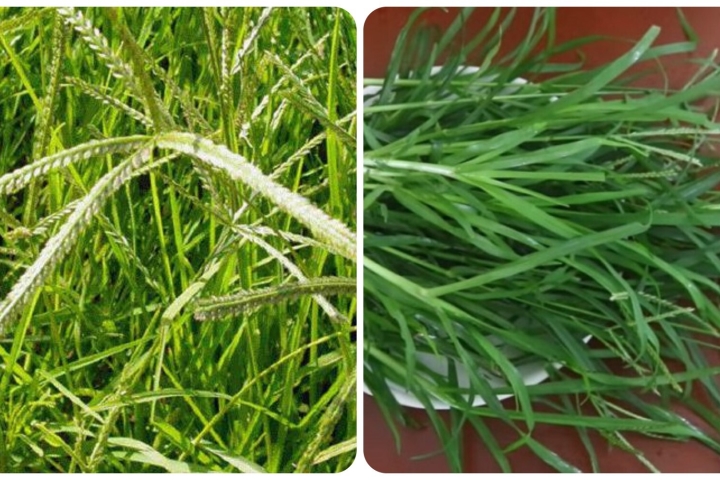
Goosegrass, scientifically known as Galium aparine and commonly referred to as cleavers, sticky weed, or
catchweed, is a plant most people barely notice. You may have brushed past it in a garden, seen it creeping
through fields, or pulled it off your clothes after a walk outdoors. Its clingy texture often makes it more of an
annoyance than anything else.
Yet behind this unassuming, sticky exterior lies a remarkably powerful medicinal herb—one that has been
valued for centuries in traditional healing systems across Europe, Asia, and North America. What many
dismiss as a simple weed is, in fact, a plant rich in therapeutic compounds that support detoxification, skin
repair, kidney health, lymphatic drainage, and immune balance.
As interest in natural and plant-based wellness continues to grow, goosegrass is slowly regaining the
recognition it deserves. This article explores what goosegrass is, why it matters, and how it has traditionally
been used for both internal and external healing.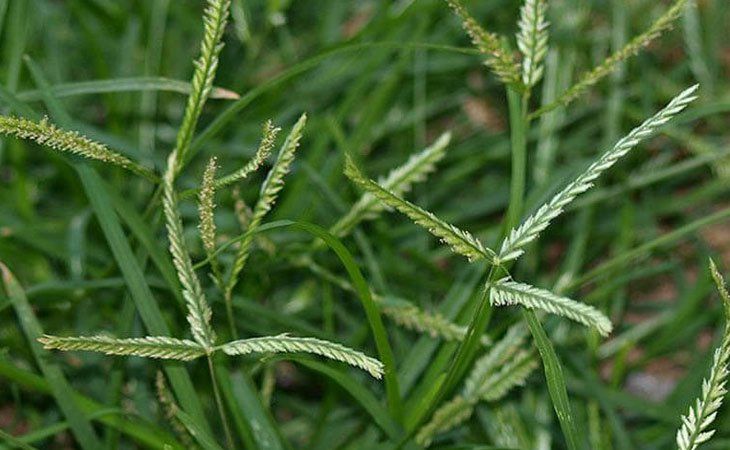
What Is Goosegrass?
Goosegrass (Galium aparine) is a fast-growing annual herb found throughout much of the world, including
Europe, Asia, North America, and Australia. It thrives in hedgerows, fields, gardens, and disturbed soils.
The plant is easy to recognize once you know what to look for. It grows long, trailing stems covered in tiny
hooked hairs that act like Velcro, allowing it to cling to clothing, animal fur, and nearby plants. This clever
mechanism helps the plant spread quickly and widely.
Key identifying features include:
-
Slender, sprawling stems
-
Narrow leaves arranged in circular whorls around the stem
-
Tiny white or greenish flowers
-
A distinctly sticky, clinging texture
In traditional herbal medicine, the entire plant - leaves, stems, and seeds - has been used, either fresh or
dried, depending on the preparation.
Nutritional and Medicinal Compounds in Goosegrass
Goosegrass owes its healing reputation to a rich mix of beneficial plant compounds, including:
-
Flavonoids, which act as antioxidants
-
Iridoids, known for their anti-inflammatory properties
-
Chlorophyll, which supports cleansing and tissue repair
-
Tannins, providing astringent and skin-soothing effects
-
Vitamin C, which supports immune health
-
Silica and trace minerals, important for connective tissue
-
Coumarins, which support circulation and lymphatic flow
Together, these compounds make goosegrass especially useful for detoxification, urinary health, lymphatic
support, and immune balance.
The Hidden Benefits of Goosegrass
1. Lymphatic Cleanser and Drainage Support
One of goosegrass’s most well-known traditional uses is its ability to support the lymphatic system, the
network responsible for removing waste and toxins from the body.
Herbalists have long used goosegrass to help with:
-
Swollen or congested lymph nodes
-
Lymphatic stagnation after illness
-
Immune system support
By encouraging healthy lymph flow, goosegrass helps the body clear waste more efficiently.
2. Gentle, Natural Detoxification
Goosegrass is considered a mild yet effective detoxifying herb. Its natural diuretic action supports the
kidneys in flushing excess fluids and metabolic waste.
It may help the body eliminate:
-
Uric acid
-
Environmental toxins
-
Inflammation-related byproducts
This is why goosegrass frequently appears in herbal detox and cleansing blends.
3. Kidney and Urinary Tract Support
Thanks to its diuretic and mild antimicrobial properties, goosegrass has traditionally been used to support
urinary health, including:
-
Urinary tract irritation or infections
-
Kidney inflammation
-
Bladder discomfort
-
Prevention of kidney stone formation
It works by gently soothing the urinary system while promoting cleansing and flow.
4. Skin-Healing Properties
Goosegrass has a long history of topical use for skin concerns. When applied externally, it may help soothe:
-
Eczema and psoriasis
-
Rashes and irritated skin
-
Acne
-
Minor wounds and cuts
-
Burns and insect bites
Its cooling, astringent nature helps calm inflammation and supports natural skin repair.
5. Anti-Inflammatory Effects
The iridoids and flavonoids found in goosegrass contribute to its anti-inflammatory action, making it useful
for:
-
Joint discomfort
-
Swelling and fluid retention
-
Lingering inflammation after infection
6. Indirect Liver Support
By improving lymphatic and kidney function, goosegrass helps reduce the detox burden placed on the liver.
While it does not act directly on the liver, this supportive role contributes to overall liver health.
7. Gentle Immune Support
By clearing waste, supporting lymph nodes, and reducing inflammation, goosegrass encourages a more
balanced immune response. It has traditionally been used during:
-
Colds and flu
-
Recovery periods after illness
-
Immune stress or fatigue
8. Wound and Infection Care
Fresh goosegrass was historically crushed and applied directly to cuts, wounds, and bites. Its mild
antibacterial and antiseptic qualities helped reduce inflammation and protect against infection.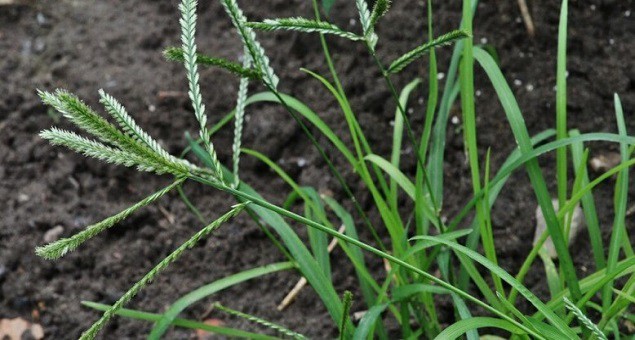
9. Cooling and Hydrating Effects
Goosegrass tea was often used as a cooling remedy, especially during fevers or hot weather. Its refreshing
nature helps hydrate the body and relieve heat-related discomfort.
10. Digestive Comfort
Thanks to its gentle cleansing and anti-inflammatory effects, goosegrass may also help soothe mild
digestive discomfort, particularly when linked to inflammation or toxin buildup.
Traditional Homemade Uses of Goosegrass
1. Goosegrass Herbal Tea
Commonly used for detoxification, lymphatic support, and urinary health.
-
1–2 teaspoons dried goosegrass or a handful of fresh herb
-
1 cup hot water
-
Steep for 10–15 minutes
Drink once or twice daily. The flavor is mild and grassy.
2. Fresh Goosegrass Juice
Traditionally, fresh goosegrass was crushed and strained into a bright green juice.
Uses include:
-
Cooling the body
-
Supporting lymphatic drainage
-
Promoting skin clarity
Typically taken as 1–2 tablespoons mixed with water.
3. Goosegrass Compress
Used for rashes, burns, swelling, or skin infections.
-
Steep goosegrass in hot water
-
Soak a clean cloth
-
Apply to the affected area for 10–15 minutes
4. Goosegrass Salve
Goosegrass can be infused in oil and combined with beeswax to create a soothing balm for cuts, eczema,
and irritated skin.
5. Goosegrass Infused Oil
This oil may be used for:
-
Massage
-
Joint discomfort
-
Skin inflammation
-
Wound aftercare
6. Goosegrass Bath
Adding a handful of fresh goosegrass to a warm bath may help calm inflamed skin and relax the body.
Is Goosegrass Safe?
Goosegrass is generally considered safe when used in moderation. However, caution is advised if:
-
You are pregnant or breastfeeding
-
You have severe kidney disease
-
You are allergic to plants in the Rubiaceae family
If you have underlying health conditions or take medication, it’s best to consult a healthcare professional
before regular use.
How to Identify and Harvest Goosegrass
Look for:
-
Long, trailing stems
-
Velcro-like hooked hairs
-
Leaves arranged in circular whorls
-
A sticky texture
-
Small white or greenish flowers
Harvest the plant while it is young and tender, before it becomes tough.
Avoid harvesting from:
-
Roadsides
-
Polluted areas
-
Pesticide-treated land
Conclusion: A Healing Herb Hidden in Plain Sight
Goosegrass may look like nothing more than a clingy weed, but its healing potential is anything but ordinary.
From supporting detoxification and kidney health to aiding the lymphatic system and soothing skin issues,
this humble plant has earned its place in traditional medicine across cultures.
Its true strength lies in how gently yet effectively it supports the body’s natural cleansing and healing
processes. Whether prepared as a tea, applied topically, or used fresh, goosegrass stands as one of nature’s
most underrated wellness herbs - quietly powerful and hiding in plain sight.