Common milkweed (Asclepias syriaca) is best known as the host plant for monarch butterflies, but long before its ecological importance was widely recognized, this wild plant played a role in traditional medicine and survival diets. Indigenous communities in North America used parts of the milkweed plant for food and healing—with great care and proper preparation.
In recent years, interest in wild and traditional plants has grown, leading many to ask an important question: Does common milkweed have health benefits, and is it safe for human use?
The answer is nuanced. Milkweed does offer potential benefits, but it also carries serious risks if used incorrectly.
This article explores the traditional uses, potential health benefits, nutritional aspects, and critical safety considerations of common milkweed.
What Is Common Milkweed?
Common milkweed is a perennial plant native to North America. It is characterized by:
-
Broad green leaves
-
Clusters of pinkish-purple flowers
-
A milky white sap (latex) that oozes when the plant is broken
While the sap and mature parts of the plant are toxic, young shoots, leaves, buds, and pods have historically been consumed only after proper preparation.
Traditional and Historical Uses of Milkweed
Indigenous and Folk Medicine
Various Native American tribes used milkweed in controlled ways to:
-
Treat skin conditions
-
Reduce swelling and inflammation
-
Support digestive health
-
Relieve respiratory issues
The plant was never used casually; knowledge of dosage and preparation was passed down carefully.
Survival and Famine Food
In times of scarcity, properly prepared milkweed was eaten as a vegetable. This practice required boiling multiple times to remove toxic compounds.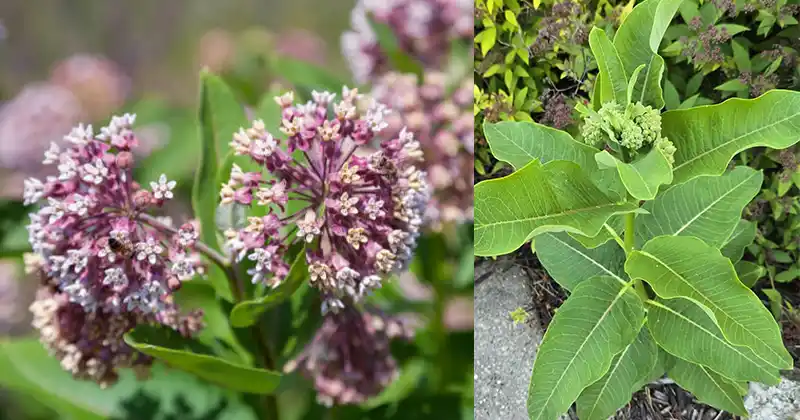
Potential Health Benefits of Common Milkweed
Important note: These benefits are based on traditional use and limited scientific study. Milkweed is not a mainstream medicinal plant and should never be used without proper knowledge.
1. Anti-Inflammatory Properties
Milkweed contains bioactive compounds that may help reduce inflammation when applied externally or used in carefully prepared traditional remedies.
Historically, poultices made from milkweed roots or leaves were used for:
-
Swelling
-
Joint discomfort
-
Minor injuries
2. Antimicrobial Effects
Some studies suggest milkweed contains compounds with antibacterial and antifungal properties, which may help inhibit the growth of certain microorganisms.
Traditionally, it was applied externally to:
-
Minor wounds
-
Skin infections
3. Respiratory Support (Traditional Use)
Milkweed root was once used in folk medicine to:
-
Ease coughing
-
Support lung function
-
Promote mucus clearance
This is believed to be due to its expectorant-like effects—but misuse can be dangerous.
4. Digestive Stimulation (Very Limited Use)
In extremely small, controlled amounts, milkweed was used historically to stimulate digestion or relieve constipation. However, improper dosing can cause severe gastrointestinal distress.
5. Potential Antioxidant Activity
Milkweed contains plant-based compounds that may act as antioxidants, helping neutralize free radicals. This could theoretically support cellular health, although research is limited.
6. Pain Relief in Traditional Remedies
Topical preparations were sometimes used to relieve muscle pain, bruises, or inflammation. These uses were external, not ingested.
7. Nutritional Value (When Properly Prepared)
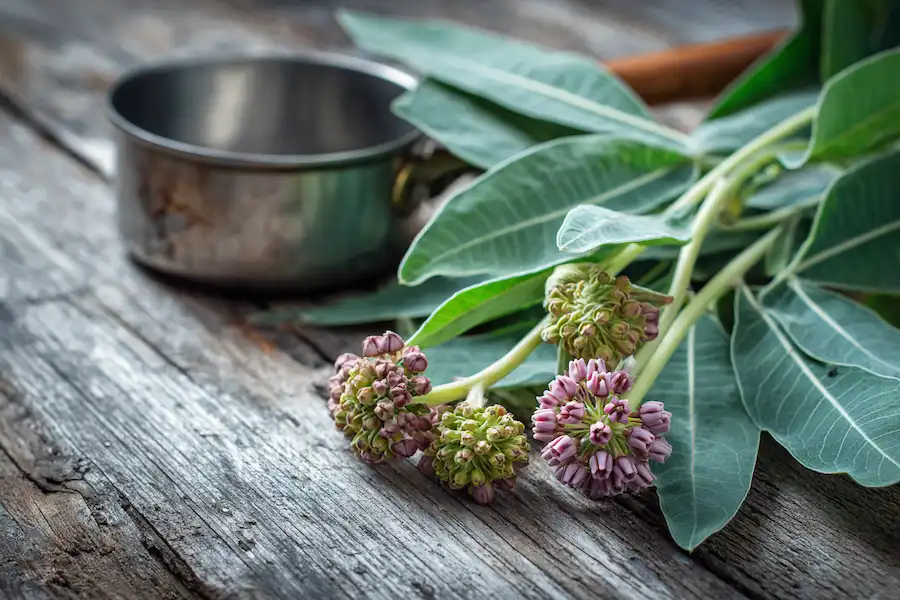
Young milkweed shoots and pods, when boiled multiple times, were traditionally eaten and provide:
-
Dietary fiber
-
Small amounts of protein
-
Vitamins A and C
-
Minerals such as calcium and potassium
When prepared correctly, they were considered similar to asparagus or green beans in texture and taste.
8. Immune System Support (Indirect)
Some traditional uses aimed to support general resilience during illness, though this effect is indirect and not well studied.
9. Diuretic Effects (Traditional Use)
Milkweed was sometimes used to promote urination, helping the body eliminate excess fluid. This use requires extreme caution.
10. Potential Role in Cancer Research (Early Interest)
Certain compounds in milkweed, such as cardiac glycosides, have attracted scientific interest for their effects on abnormal cell growth. However, these same compounds are toxic, and research is strictly laboratory-based - not for self-treatment.
CRITICAL SAFETY WARNINGS: Read Before Considering Use
Common milkweed is toxic if consumed incorrectly. Many parts of the plant contain cardiac glycosides, which can affect heart rhythm and be life-threatening.
⚠️ Never Consume:
-
Raw milkweed
-
Milkweed sap (latex)
-
Mature leaves or stems
-
Roots without expert supervision
Symptoms of Milkweed Poisoning:
-
Nausea and vomiting
-
Diarrhea
-
Dizziness
-
Irregular heartbeat
-
Confusion
-
In severe cases: cardiac arrest
Who Should NEVER Use Milkweed
Milkweed is not safe for:
-
Pregnant or breastfeeding women
-
Children
-
People with heart disease
-
Individuals on heart or blood pressure medication
-
People with kidney or liver disease
-
Pets and livestock (highly toxic to animals)
Proper Preparation (For Educational Purposes Only)
Traditional preparation involved:
-
Harvesting only young shoots, buds, or pods
-
Boiling in water
-
Discarding the water
-
Repeating the boiling process 2–3 times
This process reduces—but does not eliminate—all toxins. Modern experts do not recommend casual consumption.
Modern Perspective: Should You Use Milkweed for Health?
From a modern medical standpoint:
-
Milkweed is not recommended as a home remedy
-
Safer, well-studied plants offer similar benefits without serious risk
-
Its ecological role is far more valuable than its medicinal use
Milkweed is essential for monarch butterflies and plays a crucial role in biodiversity. Many experts encourage protecting and planting milkweed, not consuming it.
Conclusion
Common milkweed (Asclepias syriaca) is a fascinating plant with a long history in traditional medicine and survival diets. It contains compounds with potential anti-inflammatory, antimicrobial, and antioxidant properties, and its young parts were once eaten when carefully prepared.
However, the risks are significant. Improper use can lead to serious poisoning, heart complications, and even death. For this reason, milkweed should not be used casually or without expert knowledge.
In today’s world, the greatest value of milkweed lies in its ecological importance, especially in supporting monarch butterflies and maintaining healthy ecosystems.
Respect the plant, protect it, and admire its history—but approach its medicinal use with extreme caution.