Most leftover food can still be eaten—but there are two types you’re better off throwing away than “slowly pois.oning yourself.”
Most leftovers are safe if stored and reheated properly. However, some foods are genuinely better discarded for the sake of your health.
On a Friday afternoon, Mr. Zhao’s wife (China) packed the remaining garlic-stir-fried spinach into a lunch box, planning to eat it during her night shift. Mr. Zhao gently warned her, “Leafy greens left overnight can produce nitrites—don’t risk it.” She laughed it off: “It’s only been a few hours. You’re overreacting.”
Around midnight, she reheated it in the microwave and ate everything. Close to 3 a.m., she felt dizzy and nauseous and had to go to the emergency room. Tests showed elevated methemoglobin levels, and doctors diagnosed mild nitrite poisoning. While on IV fluids, she texted her husband: “I should’ve listened. A plate of veggies cost 20 yuan, the hospital bill over 200—and I lost a whole night’s sleep.”
The next day, Mr. Zhao threw the spinach away. From then on, he learned his lesson: leafy greens should be eaten the same day; braised meats and potatoes can go in the fridge, with a note saying “OK overnight—reheat thoroughly.”
This story reflects a common reality: not all overnight food is dangerous. Most leftovers are safe if handled correctly—but some types are better avoided.
Why most overnight food is still edible
1. Nutritional loss is limited.
Studies show vitamin C in vegetables may drop about 10–20% after one night, but minerals and fiber remain largely unchanged. Protein and fat structures are also stable, so many dishes still retain nutritional value.
2. Proper refrigeration slows bacteria.
Storing food in the fridge at about 0–8°C within 24 hours significantly reduces bacterial growth compared to room temperature. Thorough reheating kills most harmful bacteria.
3. Nitrites don’t always spike.
Nitrites are the biggest concern with leftovers, but many foods stored normally produce only very small amounts—well below safety limits. The human body can also detoxify small quantities.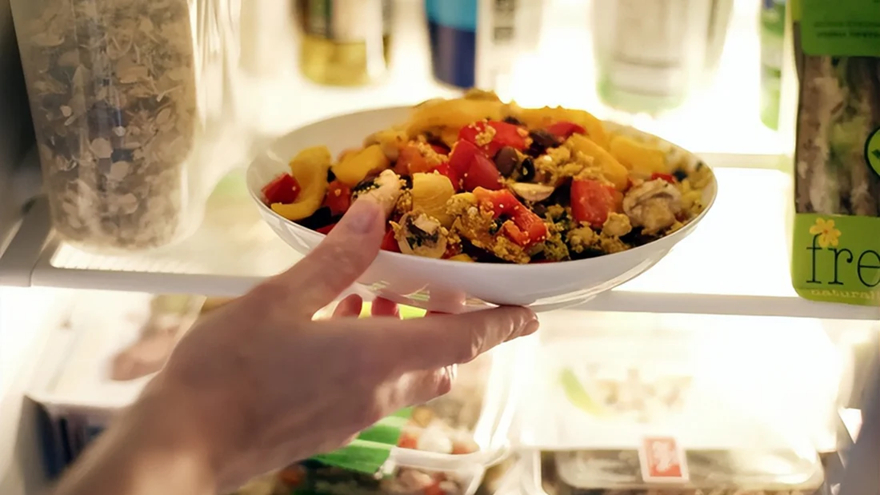
Foods that are relatively safe overnight
Braised meats (pork, ribs, beef): dense structure, high protein and fat make it harder for bacteria to penetrate. Covered, refrigerated, and reheated thoroughly, they keep their taste and nutrition.
Root vegetables (potatoes, carrots, taro): rich in starch and fiber with firm tissues; nitrite formation is slow. They can even be repurposed, like turning leftover potatoes into patties.
Tofu and soy products: usually heat-processed and lower in water than fresh greens. Properly refrigerated, they’re fine the next day in soups or cold dishes—braised tofu may even taste better.
Two types of food you should avoid overnight
• Leafy green vegetables
Spinach, bok choy, water spinach, and similar greens contain high natural nitrates. Over time, bacteria convert nitrates into nitrites. Their soft, watery tissues also make them prone to contamination. Even a few hours at room temperature can raise nitrite levels; overnight storage increases the risk further, along with nutrient loss and poorer taste.
• Seafood
Seafood is high in protein and moisture, allowing bacteria to multiply quickly—especially if it’s been exposed to air. Protein breakdown can produce histamine, causing allergies or poisoning, while oxidation byproducts burden the liver and kidneys. Cooked seafood is best eaten the same day.
How to handle leftovers more safely
-
Refrigerate food as soon as possible—ideally within 1 hour after cooking.
-
Divide into small portions and store in airtight containers to reduce air and bacterial exposure.
-
Reheat thoroughly before eating: aim for around 100°C for at least 10–15 minutes. For meat and fish, ensure the inside is evenly hot.
-
Some dishes can be safely repurposed (e.g., leftover rice into fried rice, stir-fries into soup), but not leafy greens or seafood.
In short: Overnight food isn’t automatically harmful. It depends on the type of food, storage, and reheating. Remember this simple rule: leafy greens and seafood—when in doubt, throw them out; meats, roots, and soy products are fine if handled properly. Saving money is good, but never at the expense of your health.