Your feet do more than carry you through the day. Doctors say they can also reveal important clues about what’s happening inside the body. Because feet are far from the heart and packed with nerves and blood vessels, they are often one of the first areas to show signs of poor circulation, nerve damage, inflammation, or systemic illness.
A viral health message claims that six changes in the feet may point to serious health problems. While these symptoms don’t automatically mean a dangerous disease, experts agree on one point: persistent foot changes deserve attention, especially if they appear suddenly, worsen over time, or occur alongside other symptoms.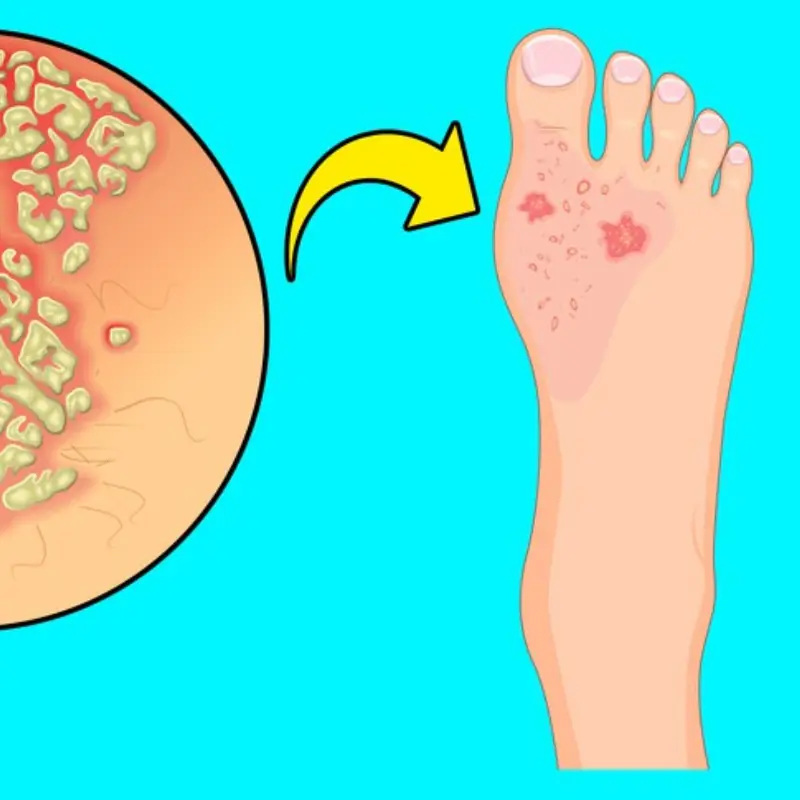
Why Foot Symptoms Matter
The feet are highly sensitive to changes in blood flow and nerve function. Conditions such as diabetes, heart disease, autoimmune disorders, kidney disease, and infections can affect the feet in ways that people may mistake for minor issues.
Doctors recommend paying attention to:
-
skin color changes
-
swelling or pain
-
unusual sensations
-
slow healing wounds
-
persistent rashes or peeling
Early detection often leads to better outcomes.
1) Numbness, Tingling, or “Pins and Needles”
If your feet frequently feel numb, tingly, or burning, it may indicate nerve problems. One of the most common causes is diabetic neuropathy, but vitamin deficiencies, pinched nerves, or thyroid issues can also contribute.
When to worry: symptoms that worsen, spread, or affect your balance.
2) Cold Feet or Pale/Blue Skin Color
Feet that feel unusually cold—even in warm environments—may point to poor circulation. Peripheral artery disease (PAD) is one possible cause, and it can increase the risk of heart attack and stroke.
Skin that turns pale, bluish, or patchy may also suggest circulation issues or blood vessel spasms.
Red flag: cold feet with pain while walking or slow-healing sores.
3) Swelling in the Feet or Ankles
Swelling can happen after standing for long hours, but persistent swelling may signal deeper problems such as:
-
heart failure
-
kidney disease
-
liver disease
-
vein insufficiency
-
blood clots
If swelling is sudden, painful, or affects only one leg, doctors advise urgent medical evaluation.
4) Wounds That Heal Slowly
A cut or blister that does not heal normally can be a warning sign—especially in people with diabetes, poor circulation, or immune weakness. Slow healing increases the risk of serious infection.
Doctors recommend watching for:
-
open sores
-
ulcers
-
skin breakdown
-
signs of infection (redness, pus, fever)
Foot ulcers should be treated early to prevent complications.
5) Persistent Itching, Peeling, or Rash
The image shared online suggests a rash-like or irritated skin change. In many cases, this is caused by fungal infection (such as athlete’s foot), eczema, or allergic reactions. However, persistent or spreading rashes may also be linked to immune or inflammatory conditions.
If rash is painful, bleeding, or not improving with basic care, a medical check is recommended.
6) Pain in the Foot or Calf When Walking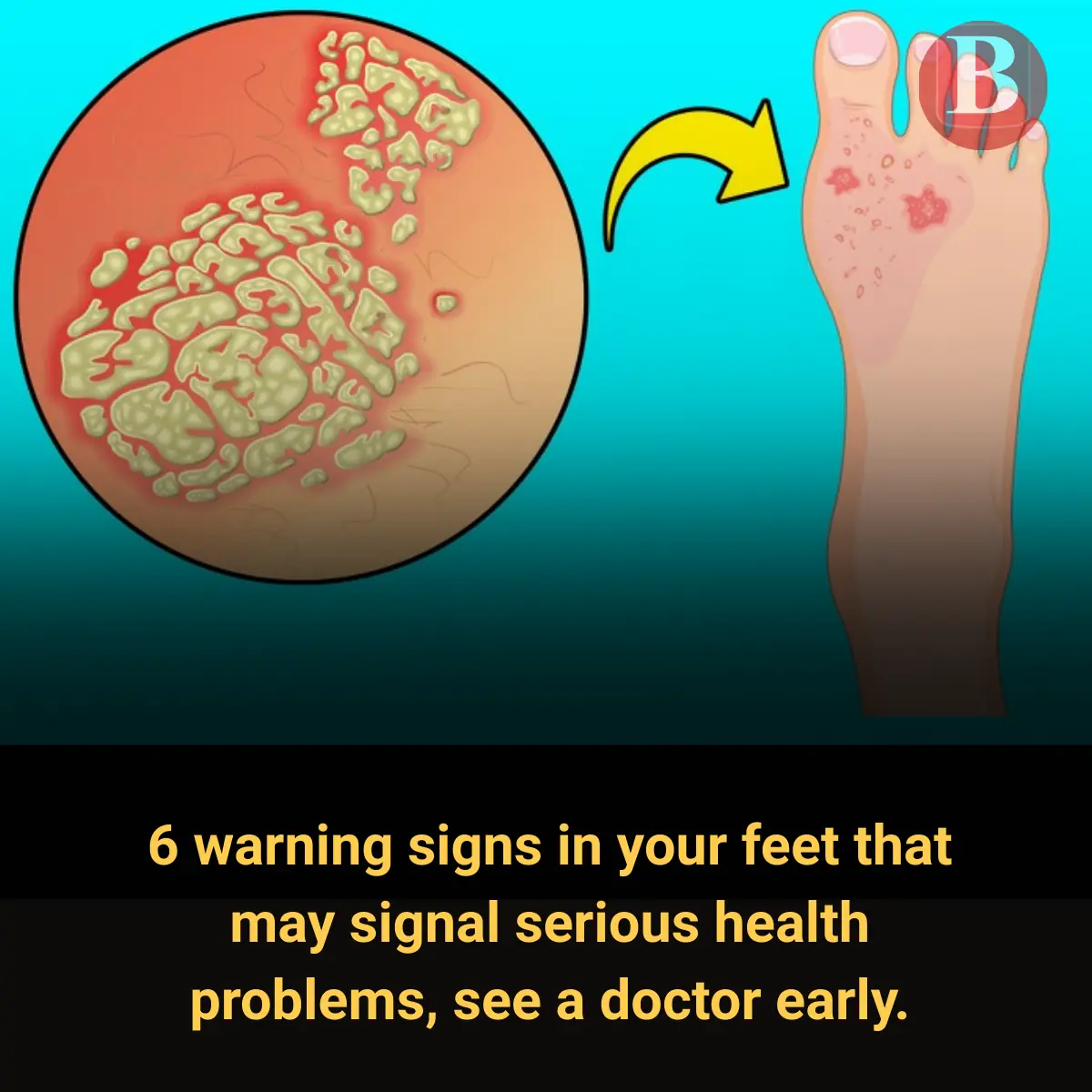
Pain or cramping that appears while walking and improves with rest may be a classic symptom of poor blood flow. This can be related to PAD and should be evaluated, especially in older adults, smokers, or people with diabetes.
Doctors warn that circulation problems can progress silently and raise the risk of heart and vascular complications.
When You Should See a Doctor Immediately
Seek urgent help if you notice:
-
sudden swelling, redness, and warmth in one leg
-
severe pain or inability to walk
-
blackened skin or tissue
-
fever with foot wounds
-
loss of sensation or sudden weakness
These signs may indicate infection, blood clots, or severe circulation problems.
How to Protect Foot Health
Doctors recommend simple preventive steps:
-
check your feet regularly, especially if you have diabetes
-
wear supportive shoes and keep feet clean and dry
-
manage blood sugar, blood pressure, and cholesterol
-
stay active to support circulation
-
avoid smoking
Foot care is often overlooked, but it can prevent serious problems.
Final Thoughts: Your Feet May Be Sending a Message
Foot symptoms are easy to dismiss, but they can be early warning signs of health issues involving nerves, blood vessels, or organs. Experts stress that most causes are treatable—especially when caught early.