Waking up in the middle of the night with a sudden, painful leg cramp can feel frightening. One moment you’re asleep, and the next your calf or foot tightens like a knot, forcing you to sit up, stretch, and wait for the pain to ease. Nighttime leg cramps are common, especially as people get older—but that doesn’t mean they should be ignored.
In many cases, leg cramps at night happen for simple reasons such as muscle fatigue or dehydration. But sometimes, they can hint at deeper issues in the body. Understanding what may trigger these cramps can help you find relief—and recognize when it’s time to see a doctor.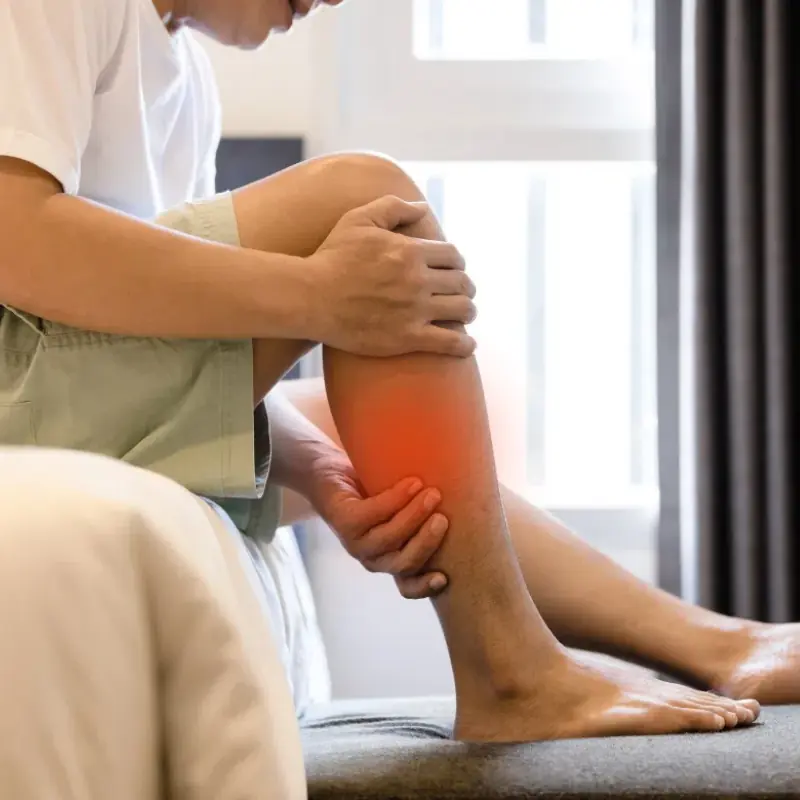
What Night Leg Cramps Feel Like
Night cramps typically occur in the calf, foot, or thigh. The muscle contracts suddenly and intensely, often lasting from a few seconds to several minutes. After the cramp stops, soreness may remain for hours.
Unlike “restless legs syndrome,” which causes an urge to move the legs, cramps involve actual muscle tightening and sharp pain.
Common Causes: The Everyday Triggers
Most nighttime cramps are linked to lifestyle or daily habits. Common triggers include:
1) Dehydration
When your body lacks fluids, muscles may become more prone to spasms. Sweating, hot weather, alcohol, or not drinking enough water during the day can all contribute.
2) Low Mineral Levels
Electrolytes like magnesium, potassium, and calcium help regulate muscle function. Low levels—especially from diet changes, vomiting, diarrhea, or certain medications—may increase cramp risk.
3) Muscle Overuse or Fatigue
Standing for long hours, intense exercise, or repeated movements can strain the muscles. When the body tries to recover at night, cramps can strike.
4) Poor Sleeping Position
Sleeping with your toes pointed down or keeping your legs in a tight position may shorten calf muscles, making cramps more likely.
What Your Body May Be Signaling
While most cramps are harmless, persistent or frequent night cramps may be your body’s way of warning you about something more serious.
1) Poor Circulation
If blood flow to the legs is reduced—due to narrowed arteries or vascular problems—muscles may not get enough oxygen. This can cause pain or cramping, especially at night or after walking.
2) Nerve Irritation
Spinal nerve compression, sciatica, or other nerve issues may trigger cramps, tingling, or muscle spasms. If cramps occur alongside numbness or burning sensations, nerves may be involved.
3) Medication Side Effects
Certain drugs can contribute to cramps, including diuretics (water pills), statins, asthma medications, or blood pressure drugs. If cramps started after a new medication, talk to your doctor.
4) Medical Conditions
Night cramps can be associated with diabetes, thyroid disorders, kidney disease, or liver problems. These conditions can affect nerves, muscles, and mineral balance.
How to Stop a Cramp When It Happens
When a cramp strikes, quick action can reduce pain:
-
Stretch the muscle: Straighten your leg and gently pull your toes toward your shin.
-
Massage the area: Use your hands or a warm towel to relax the muscle.
-
Stand and walk: Light movement can help release the contraction.
-
Apply heat or cold: Heat relaxes tight muscles; ice reduces lingering soreness.
Prevention Tips That Actually Help
To reduce nighttime cramps, many experts recommend:
-
Hydrate throughout the day, not just at night
-
Stretch calves before bed (30–60 seconds each side)
-
Wear supportive shoes if you stand often
-
Limit alcohol and caffeine if cramps are frequent
-
Eat balanced minerals from foods like bananas, leafy greens, nuts, yogurt, and beans
-
Avoid heavy workouts late at night without stretching afterward
When to See a Doctor
Seek medical advice if cramps:
-
happen several times a week
-
cause severe or lasting pain
-
come with swelling, redness, weakness, numbness, or skin color changes
-
begin after starting a new medication
-
interfere with sleep for weeks
The Bottom Line
Night leg cramps are often caused by simple factors like dehydration, overuse, or low minerals—but frequent cramps can also signal circulation problems, nerve issues, medication side effects, or underlying health conditions. Your body may be trying to tell you something. Paying attention, making small habit changes, and seeking help when needed can improve both comfort and long-term health.