Your thyroid is a small, butterfly-shaped gland in the front of your neck, but it plays a huge role in your body. It helps regulate metabolism, energy levels, heart rate, temperature, and hormone balance. When the thyroid becomes underactive (hypothyroidism) or overactive (hyperthyroidism), people may experience fatigue, weight changes, hair loss, anxiety, irregular heartbeat, and more.
While food alone doesn’t “destroy” the thyroid, what you eat can influence iodine levels, inflammation, and how well thyroid medicine works. That’s why many experts recommend being cautious with certain foods—especially if you already have a thyroid condition.
1. Highly Processed Foods
Examples: packaged snacks, instant noodles, processed meats, fast food
Highly processed foods tend to contain excess salt, unhealthy fats, additives, and refined carbohydrates. These ingredients may increase inflammation and worsen symptoms such as fatigue, weight gain, and bloating—common complaints in hypothyroidism.
Processed foods can also make it harder to maintain a healthy weight and stable blood sugar, which matters because thyroid disorders can affect metabolism. Cutting back on processed foods is one of the simplest ways to support hormone balance.
2. Excess Soy Products
Examples: soy milk, tofu, soy protein powders, soy-based meal replacements
Soy contains compounds called isoflavones, which may interfere with the thyroid’s ability to use iodine effectively. For most healthy people, soy in moderation is not dangerous. However, for individuals with hypothyroidism or iodine deficiency, excessive soy intake may worsen thyroid function.
More importantly, soy can reduce absorption of levothyroxine (thyroid medication). If you take thyroid medicine, doctors often advise keeping soy away from your medication window—usually at least 3–4 hours.
3. Raw Cruciferous Vegetables (When Overeaten)
Examples: raw kale, cabbage, broccoli, cauliflower, Brussels sprouts
These vegetables are extremely healthy and rich in fiber and antioxidants. However, they contain natural substances called goitrogens, which may interfere with iodine uptake when eaten in very large amounts—especially raw.
This doesn’t mean you should fear broccoli. For most people, cruciferous veggies are beneficial. But if you have hypothyroidism, it’s wiser to:
-
Eat them cooked more often
-
Avoid drinking large amounts of raw kale smoothies daily
-
Ensure adequate iodine intake under medical guidance
Cooking reduces goitrogen activity significantly.
4. Gluten (For People With Autoimmune Thyroid Disease)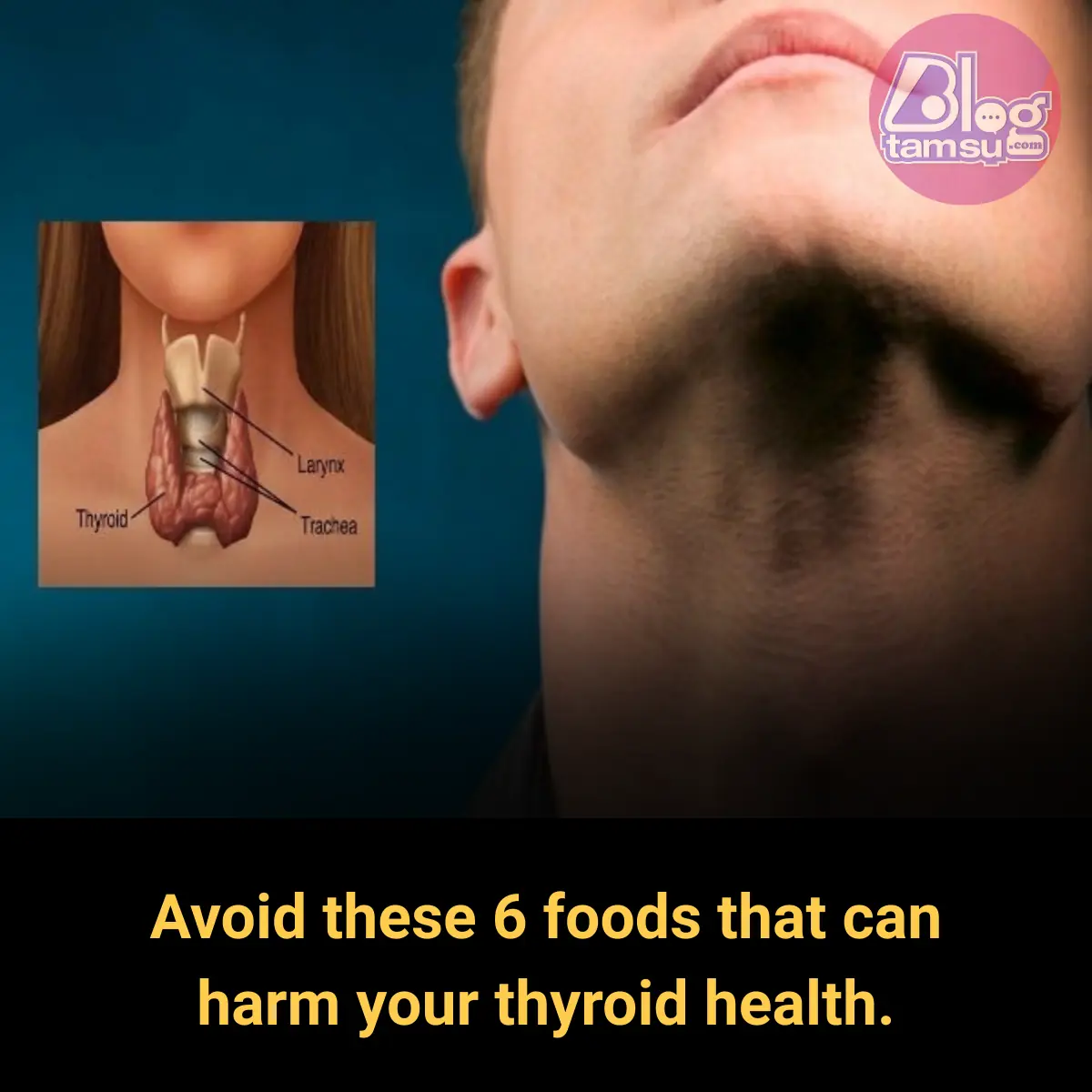
Examples: bread, pasta, baked goods made from wheat
Many people with Hashimoto’s thyroiditis (autoimmune hypothyroidism) also have gluten sensitivity or celiac disease. In those cases, gluten can trigger inflammation and worsen symptoms. Some individuals report reduced fatigue and improved digestion after lowering gluten, though it doesn’t help everyone.
Important: You don’t need to remove gluten unless you have celiac disease, sensitivity, or your doctor recommends it. But if you feel worse after eating gluten or have autoimmune thyroid disease, it may be worth discussing with a professional.
5. Sugary Foods and Sweet Drinks
Examples: soda, candy, cakes, sweetened coffee drinks
Thyroid problems can already make your energy fluctuate and your metabolism slower. High sugar intake adds another burden by causing:
-
blood sugar spikes and crashes
-
increased inflammation
-
weight gain
-
higher risk of insulin resistance
Many people with hypothyroidism struggle with fatigue and cravings. Cutting down on sugary drinks and desserts can help stabilize energy levels and support long-term hormone health.
6. Excess Iodine From Supplements or Seaweed
Examples: kelp tablets, seaweed snacks in large amounts, high-dose iodine supplements
Iodine is essential for thyroid hormone production—but too much can be harmful, especially for people with autoimmune thyroid disease. Excess iodine may trigger thyroid inflammation or worsen hyperthyroidism in sensitive individuals.
Seaweed is healthy in small portions, but daily large amounts (or iodine supplements without supervision) can push iodine intake too high. Always ask your doctor before taking iodine supplements, especially if you already have thyroid issues.
Smart Thyroid-Friendly Habits
Instead of focusing only on “bad foods,” aim to support your thyroid with balanced habits:
✅ Eat enough protein and fiber
✅ Include selenium-rich foods (Brazil nuts, eggs, fish—moderation)
✅ Get zinc and vitamin D through diet or guided supplements
✅ Keep thyroid medication away from calcium, iron, coffee, and soy
✅ Prioritize sleep and stress control—both strongly affect hormones