Tilapia has become one of the most popular fish choices across the globe. Affordable, easy to cook, and widely available, it often appears on dinner tables and restaurant menus. However, in recent years, concerns about its nutritional value, farming methods, and environmental impact have led many health-conscious consumers to question whether tilapia deserves a regular place in their diet.
While tilapia is not inherently harmful when sourced responsibly, understanding potential risks can help you make informed choices about how often you consume it and where it comes from.
1. Concerns About Farming Practices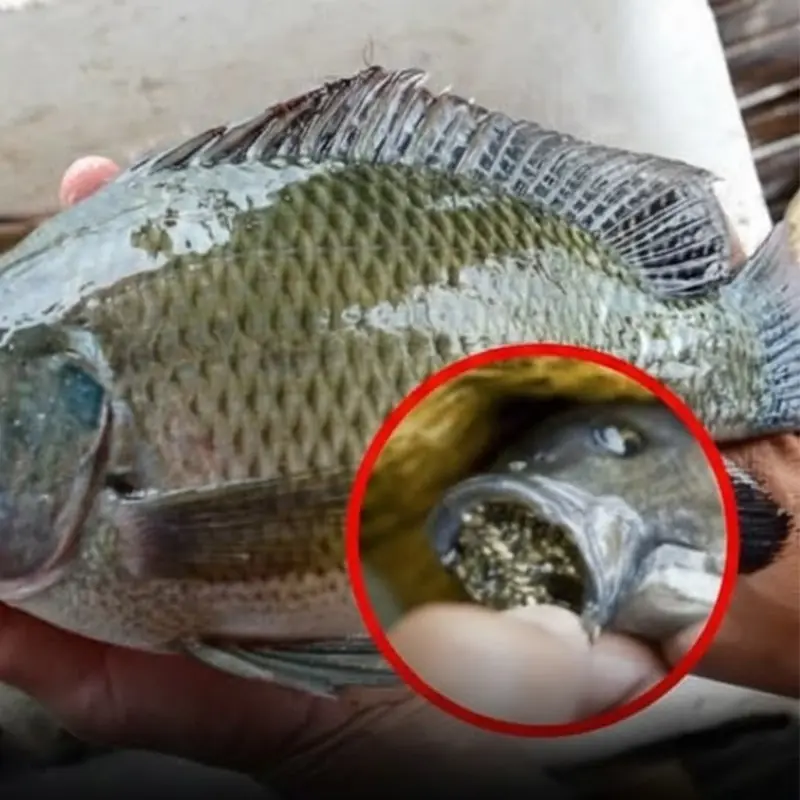
One of the biggest issues surrounding tilapia is how it is farmed. A large percentage of tilapia sold worldwide comes from intensive fish farms, where conditions can vary greatly depending on regulations and oversight.
In some regions, overcrowded farming environments may lead to poor water quality. This can increase the likelihood of disease among fish, sometimes requiring the use of antibiotics or chemicals to maintain production levels. Although regulations in many countries aim to control these practices, standards are not consistent globally.
Consumers who are concerned about food safety often look for responsibly farmed or certified tilapia to reduce potential risks associated with questionable farming conditions.
2. Lower Nutritional Value Compared to Other Fish
Tilapia is often promoted as a healthy protein source, and it does provide lean protein and essential nutrients. However, compared to fatty fish such as salmon, sardines, or mackerel, tilapia contains significantly lower levels of omega-3 fatty acids.
Omega-3 fatty acids play an important role in supporting heart health, brain function, and reducing inflammation. Some studies suggest that tilapia may contain higher levels of omega-6 fatty acids relative to omega-3s, which could contribute to an imbalance if consumed excessively without other nutrient-rich foods.
This does not mean tilapia is unhealthy, but relying on it as your primary fish choice may limit the nutritional benefits typically associated with seafood consumption.
3. Environmental Impact of Mass Production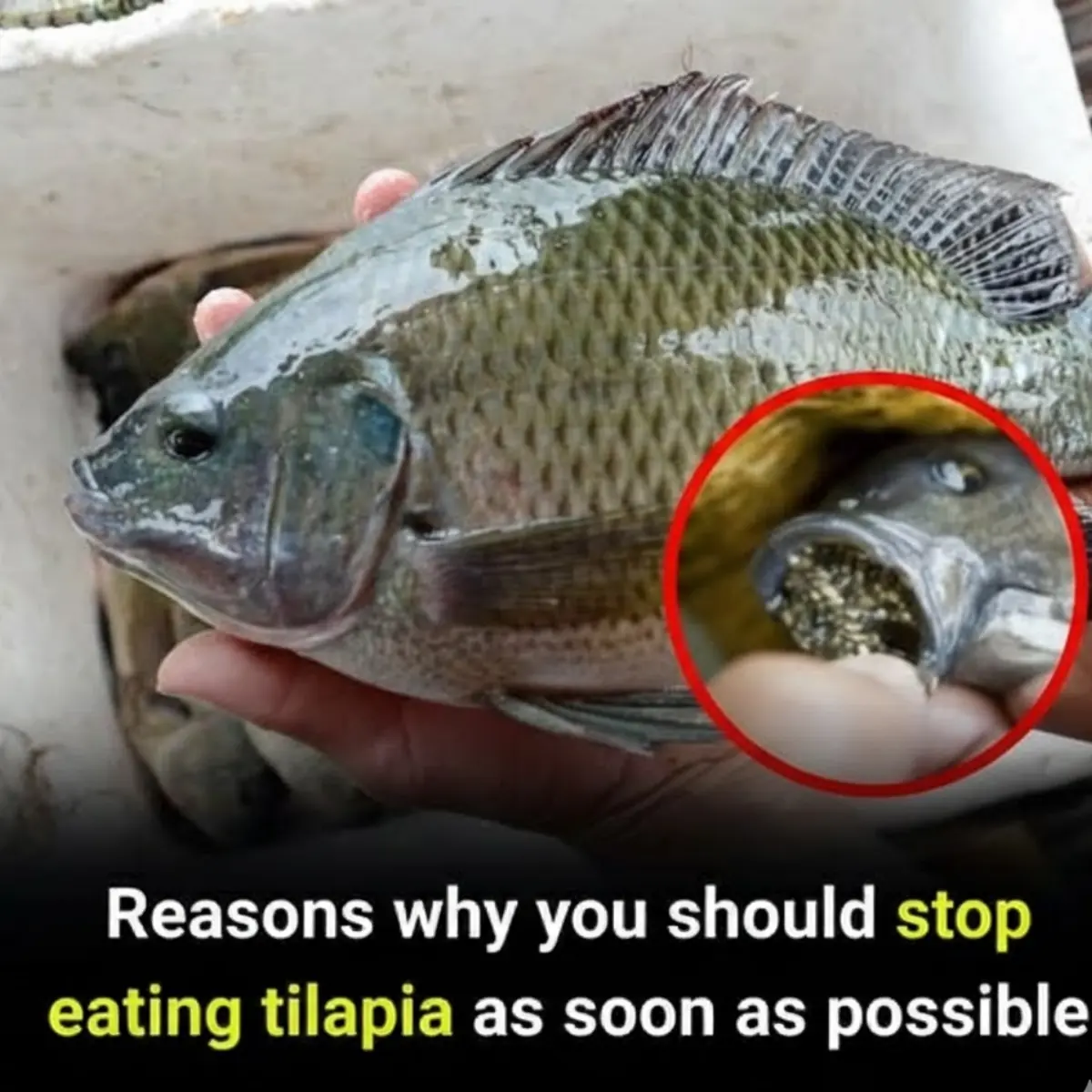
Like many forms of intensive aquaculture, large-scale tilapia farming can affect local ecosystems. Waste from overcrowded fish farms may enter surrounding waters, potentially disrupting natural habitats and water quality.
Additionally, the demand for low-cost fish has encouraged rapid expansion of tilapia farming in some regions without strong environmental oversight. This has raised concerns among environmental groups about sustainability and long-term ecological effects.
Choosing tilapia from certified sustainable sources can help reduce environmental impact and encourage responsible aquaculture practices.
4. Mislabeling and Quality Issues
Another concern is the possibility of mislabeling in seafood markets. In some cases, fish sold as tilapia may come from unknown or mixed sources, making it difficult for consumers to assess quality and safety standards.
Freshness and handling also play a major role in seafood safety. Improper storage or transportation can affect taste and quality regardless of the fish type. Purchasing seafood from reputable suppliers and checking for quality indicators—such as clear eyes, firm flesh, and a clean smell—can help ensure safer consumption.
Making Smarter Seafood Choices
Despite the concerns, tilapia does not need to be completely eliminated from your diet. Instead, moderation and careful sourcing are key. Look for tilapia labeled as sustainably farmed or certified by reputable organizations. These products are more likely to meet higher standards for safety, environmental responsibility, and quality.
You can also diversify your seafood choices. Including a variety of fish in your diet—such as salmon, tuna, sardines, or trout—helps provide a broader range of nutrients and reduces reliance on a single source.
Ultimately, being informed about where your food comes from empowers you to make healthier decisions. Rather than reacting to alarming headlines, focus on balanced eating habits and responsible purchasing. With thoughtful choices, seafood can remain a nutritious and enjoyable part of a well-rounded diet.