U.S. Professor Reveals 3 Types of Foods That Contain Dangerous Tox.ins and May Cause Can.cer: Discard Them Immediately!
According to experts, these three spoiled foods can contain toxins that harm your health, damage the liver and kidneys, and even increase the risk of cancer.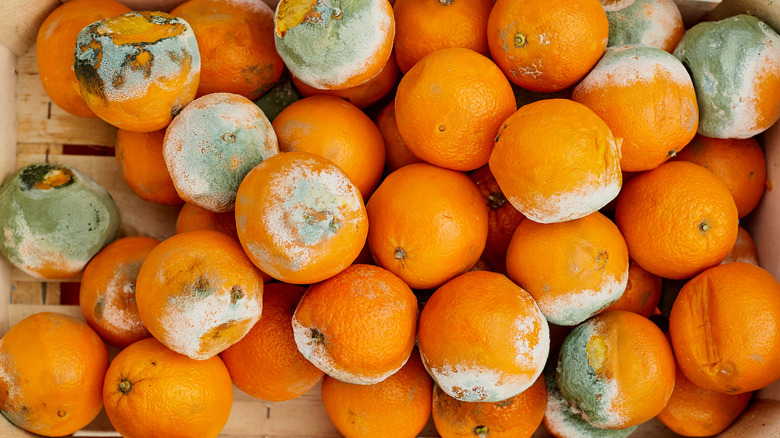
Most of us have opened the fridge or pantry at least once to find food with white, green, or gray mold spots. Some people try to save money by cutting off the moldy part and eating the rest. However, experts warn that this habit can lead to various health problems.
Professor Brad Reisfeld, a toxicology expert from the United States, explains:
“Cutting away the mold doesn’t make the food safe — many types of fungi can grow deep into parts that appear unaffected.”
He warns that moldy food, especially the three types below, can be far more dangerous than people realize.
1. Spoiled or Moldy Meat
Meat spoils easily and provides an ideal environment for bacterial growth. Professor Reisfeld warns against consuming meat that shows any signs of spoilage, such as a slimy texture, greenish or brownish discoloration, or a foul odor.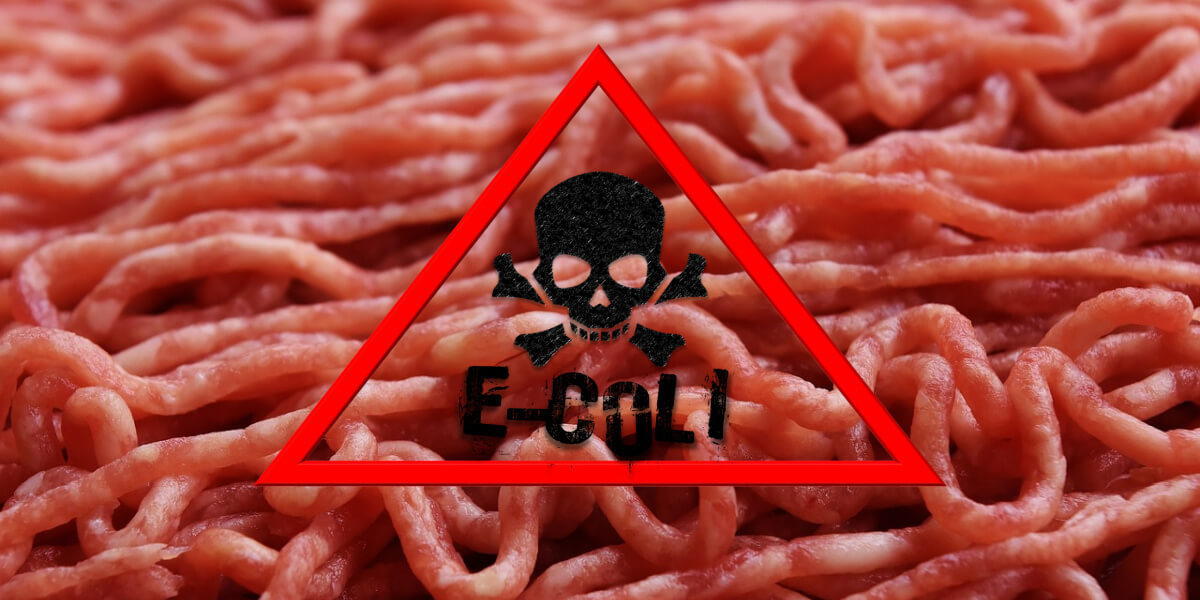
When meat goes bad, it releases harmful chemicals that can cause food poisoning, nausea, vomiting, stomach pain, and diarrhea.
Spoiled meat also has a high risk of being contaminated with bacteria such as E. coli, Campylobacter jejuni, Salmonella, and Clostridium botulinum. These bacteria produce toxins that can cause severe gastrointestinal infections.
“If you notice any signs of spoilage, discard the meat immediately to protect your health,” Professor Reisfeld advises.
2. Moldy Fruits
According to Professor Reisfeld, when fruit becomes bruised and is stored in a humid environment, mold can grow rapidly and produce mycotoxins — toxic substances that can cause poisoning and lead to serious complications such as liver and kidney damage.
Additionally, the green mold Penicillium expansum, commonly found on apples, pears, cherries, and peaches, can produce patulin toxin. In high amounts, patulin can damage major organs such as the liver, kidneys, digestive system, and immune system.
“Mold can spread through the fruit’s flesh in ways the naked eye cannot detect,” he warns. “If you see mold or spoilage on fruit, it’s best to throw it away.”
3. Moldy Grains and Bread
Many people try to save moldy bread or grains, but this is a serious mistake, experts say.
Moldy cereals and bread can contain aflatoxins, potent toxins produced by certain fungi. Repeated exposure to aflatoxins can cause liver damage and significantly increase the risk of liver cancer, especially in individuals with hepatitis B infection.
“If you notice that grains or bread are moldy, discolored, or have an unusual smell — throw them away immediately,” the expert warns.
Bottom Line
According to health experts, trying to “save” moldy food can cost you your health. Mold on food isn’t just about unpleasant smell or appearance — it can contain dangerous toxins that cause poisoning, organ damage, and even cancer.
Therefore, if you find any signs of spoilage — especially in meat, grains, bread, or fruit — discard them right away to protect your health.