If you’ve ever sliced open a hard-boiled egg and noticed a grayish-green ring forming around the yolk, you may have wondered whether the egg is still safe to eat. At first glance, the discoloration can look unappetizing—or even alarming. However, this common phenomenon is not a sign of spoilage, toxicity, or poor egg quality. In fact, it’s simply the result of basic chemistry at work.
Understanding why this green ring appears can help you cook better eggs—and avoid unnecessary food waste.
The Science Behind the Green Ring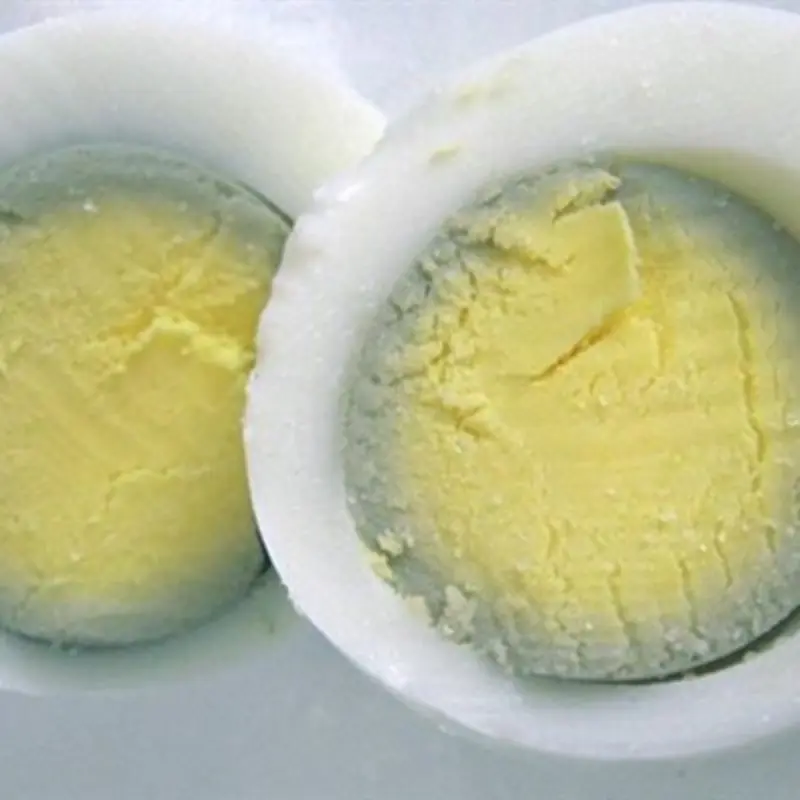
The green or gray ring around an egg yolk forms when eggs are overcooked or cooked at too high a temperature for too long. When this happens, sulfur in the egg white reacts with iron in the yolk. The reaction creates iron sulfide, a harmless compound that settles at the boundary between the yolk and the white.
This reaction typically occurs when eggs are boiled aggressively or left in hot water long after they’ve finished cooking. The longer the heat exposure, the more likely the ring is to appear.
Is It Safe to Eat?
Yes—absolutely. Eggs with a green ring are still safe to eat, provided the eggs were fresh and properly stored before cooking. The discoloration affects appearance and texture, not safety or nutritional value.
That said, overcooking can slightly alter the taste and make the yolk drier and chalkier. While it won’t harm you, it may not be the most enjoyable eating experience.
Does the Green Ring Mean the Egg Is Old?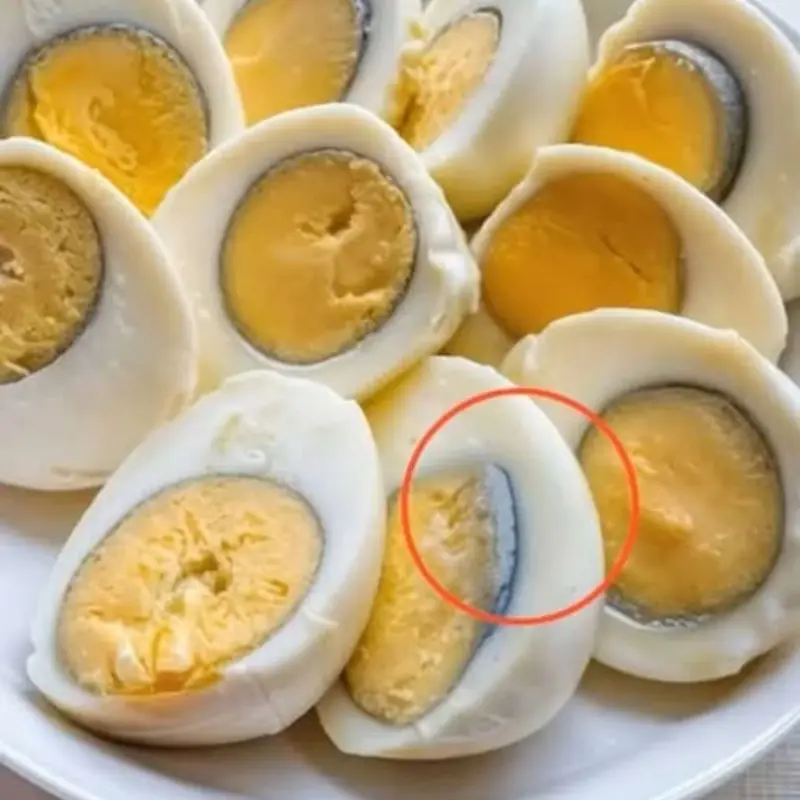
This is a common misconception. The green ring is not a reliable indicator of egg freshness. Even very fresh eggs can develop this discoloration if they are overcooked. Conversely, older eggs can look perfectly normal if cooked gently and correctly.
Egg freshness is better determined by other methods, such as checking the expiration date, performing a float test, or noting any off smells after cracking the shell.
How to Prevent the Green Ring
Avoiding the green ring is easy with proper cooking technique. Here are a few simple tips:
-
Start eggs in cold water, then bring to a gentle boil
-
Once boiling, reduce heat and simmer instead of aggressively boiling
-
Cook for the appropriate time (usually 9–10 minutes for hard-boiled eggs)
-
Immediately transfer eggs to an ice bath to stop the cooking process
The ice bath is especially important, as it halts the chemical reaction that causes the discoloration.
Nutrition Isn’t Lost—But Texture Is Affected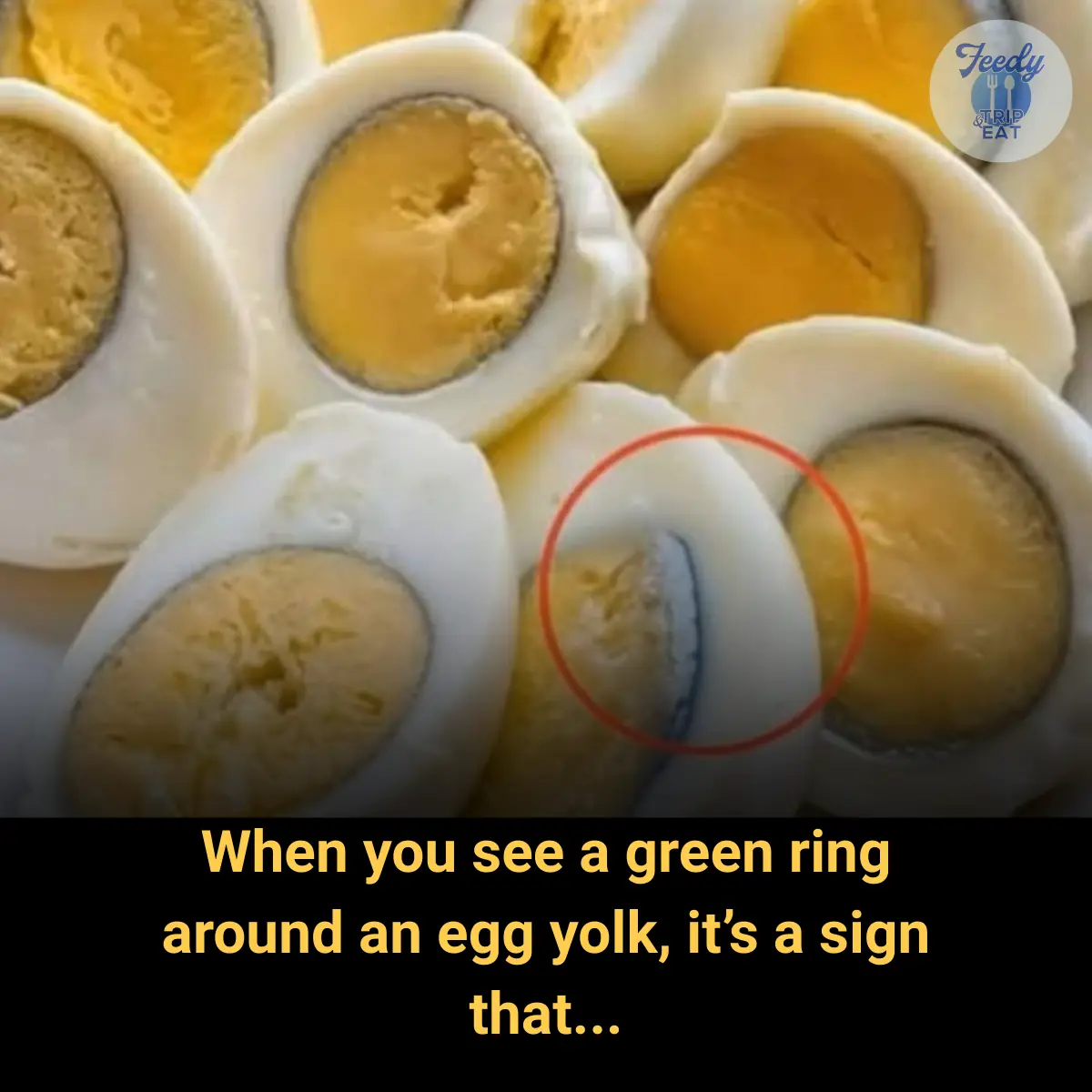
Despite common fears, the green ring does not mean the egg has lost its nutritional value. Protein, healthy fats, vitamins, and minerals remain largely intact. However, prolonged heat can slightly reduce certain heat-sensitive nutrients and make the yolk less creamy.
From a culinary perspective, perfectly cooked eggs not only look better but also taste better and feel smoother in texture.
Why This Myth Persists
The green ring has long been associated with “bad eggs” in popular culture. Because it looks unnatural, many people assume it signals spoilage or contamination. In reality, it’s simply a visual cue that the egg spent too much time in hot water.
This misunderstanding often leads people to throw away perfectly edible food—something that can easily be avoided with better information.