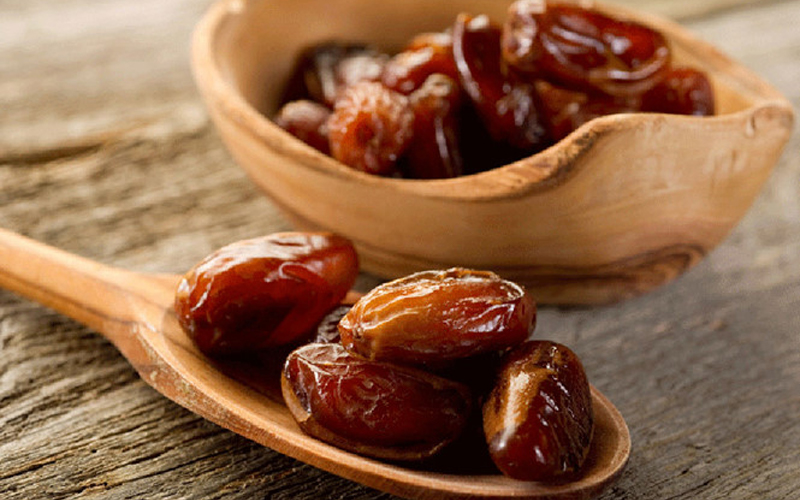
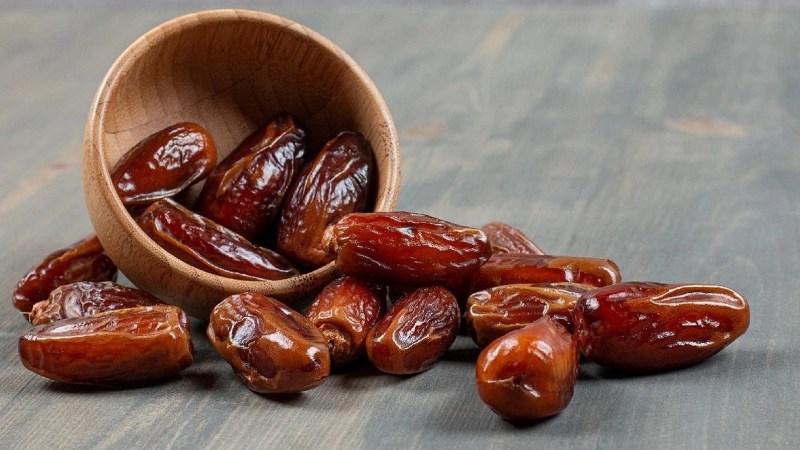
Dates have been enjoyed for thousands of years and are one of the oldest cultivated fruits in human history. Often associated with Middle Eastern cuisine and traditional diets, these small, sweet fruits come from the date palm tree (Phoenix dactylifera). While many people enjoy dates simply as a natural dessert or snack, their true nutritional value is often underestimated.
Beyond their pleasant taste, dates are packed with essential nutrients, fiber, antioxidants, and natural sugars that can support various aspects of health. Although they are not a miracle food or a substitute for medical treatment, including dates as part of a balanced diet may provide several meaningful benefits.
Understanding why dates are so nutritionally valuable helps explain why they have been cherished in traditional diets for centuries.

A Rich Source of Natural Energy
One of the most well-known qualities of dates is their ability to provide quick and sustained energy. Dates naturally contain carbohydrates in the form of glucose, fructose, and sucrose, which are easily absorbed by the body.
Because of this, dates are often consumed:
-
Before physical activity
-
After exercise for recovery
-
During long periods of fasting
In many cultures, dates are traditionally eaten to break fasts because they help restore energy levels quickly while being gentle on the digestive system.
Unlike refined sugar, dates also provide fiber and nutrients along with their natural sweetness.
High in Dietary Fiber
Dates are an excellent source of dietary fiber, which plays a key role in digestive health.
Fiber helps:
-
Support regular bowel movements
-
Promote a healthy gut microbiome
-
Prevent constipation
-
Improve feelings of fullness after meals
Just a small portion of dates can contribute significantly to daily fiber intake. This makes them a useful addition to meals for people looking to support digestive balance.
Because fiber slows digestion, it can also help regulate how quickly sugars are absorbed into the bloodstream.
Packed with Essential Minerals
Dates contain several important minerals that support various bodily functions.
Some of the most notable include:
Potassium
Potassium is essential for heart health, nerve function, and maintaining proper fluid balance in the body.
Magnesium
Magnesium plays a role in muscle relaxation, nerve signaling, and bone health.
Iron
Iron is needed to produce hemoglobin, the protein in red blood cells that carries oxygen throughout the body.
Calcium
Calcium supports strong bones and teeth while also contributing to proper muscle and nerve function.
Because of this mineral content, dates can be a helpful supplement to a nutrient-rich diet.
Antioxidants That Protect the Body
Dates contain several types of antioxidants that help protect the body from oxidative stress.
Oxidative stress occurs when unstable molecules called free radicals damage cells. Over time, this damage may contribute to aging and certain health conditions.
Dates contain antioxidants such as:
-
Flavonoids
-
Carotenoids
-
Phenolic acids
These compounds help neutralize free radicals and support the body’s natural defense systems.
Support for Heart Health
The combination of fiber, potassium, and antioxidants in dates may contribute to cardiovascular health.
Fiber can help maintain healthy cholesterol levels, while potassium supports normal blood pressure.
Antioxidants may also help reduce inflammation in blood vessels and protect the cardiovascular system from oxidative damage.
Although more research is needed to fully understand these effects, incorporating nutrient-rich foods like dates into the diet is widely considered beneficial for heart health.
A Natural Alternative to Refined Sugar
Because of their natural sweetness, dates are often used as a healthier alternative to refined sugar in many recipes.
Blended dates can be used to sweeten:
-
Smoothies
-
Energy bars
-
Baked goods
-
Oatmeal
-
Yogurt
Using dates as a sweetener allows people to reduce added sugar while still enjoying natural flavor and additional nutrients.
Potential Brain Health Support
Some research suggests that the antioxidants found in dates may support brain health by helping reduce inflammation and oxidative stress in brain tissue.
While more studies are needed, the nutrients present in dates—particularly antioxidants and certain vitamins—may contribute to maintaining cognitive health as part of a balanced diet.
Traditional diets in many regions have long included dates as a staple food that supports overall vitality.
Bone Health Benefits
Dates contain minerals such as magnesium, phosphorus, and calcium that are associated with bone health.
These nutrients help support bone density and may contribute to maintaining strong bones when combined with other healthy lifestyle habits like physical activity and adequate vitamin D intake.
A Convenient and Natural Snack
Another advantage of dates is their convenience. They are naturally dried, which gives them a long shelf life without the need for preservatives.
Dates are easy to carry and can be eaten on their own or paired with other foods such as:
-
Nuts
-
Yogurt
-
Cheese
-
Whole grains
This makes them a practical snack option for people with busy lifestyles.
Moderation Is Important
Although dates offer many nutritional benefits, they are also relatively high in natural sugars and calories.
For most people, moderate consumption—such as a few dates per day—can provide nutrients without excessive sugar intake.
Individuals managing blood sugar levels should consult healthcare professionals to determine appropriate portion sizes.
Final Thoughts
Dates may appear to be a simple fruit, but their nutritional profile reveals a remarkable combination of fiber, minerals, antioxidants, and natural energy. These qualities explain why dates have remained an important food source across cultures for thousands of years.
When enjoyed in moderation as part of a balanced diet, dates can contribute to digestive health, heart support, sustained energy, and overall well-being.
Sometimes the most powerful foods are not exotic or complicated—they are the traditional ingredients that have quietly supported human health for generations. Dates are a perfect example of this timeless nutritional wisdom.