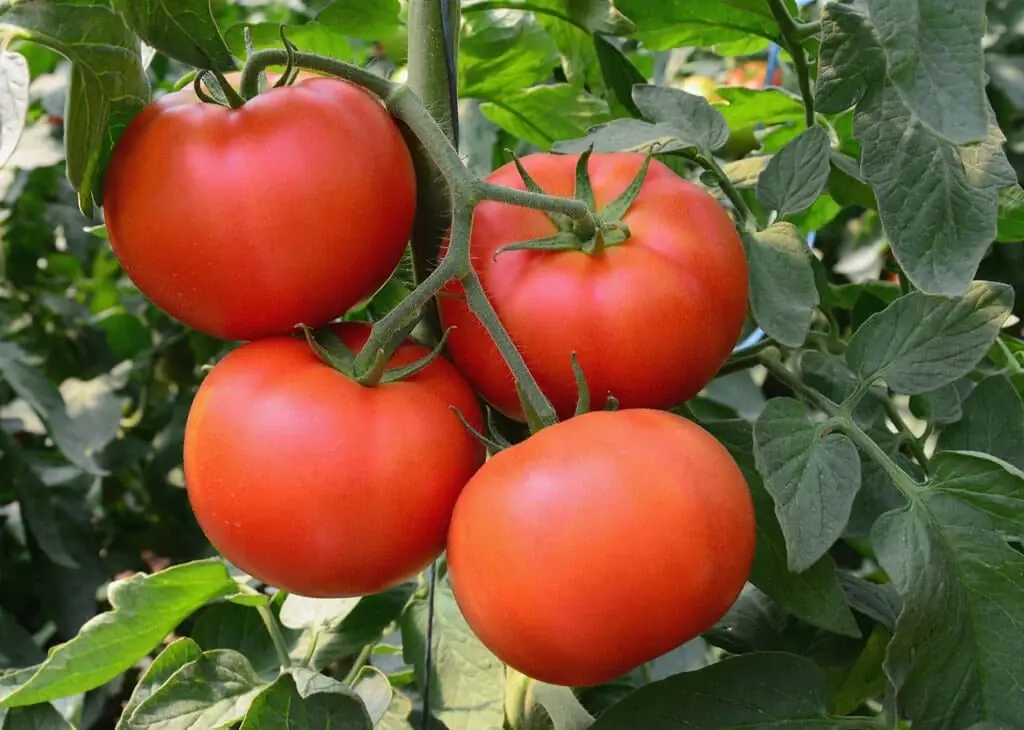
Tomatoes are one of the most popular and rewarding vegetables to grow at home. Whether you have a large garden or a small balcony, with the right care and techniques, you can harvest abundant, juicy tomatoes all season long. Here are 12 essential tips to help you grow tons of delicious tomatoes.
1. Choose the Right Tomato Variety
Start by selecting tomato varieties suited to your climate and growing conditions. There are determinate types (bush tomatoes) that grow to a certain size and produce fruit all at once, and indeterminate types (vining tomatoes) that grow and produce fruit throughout the season. Cherry tomatoes, beefsteaks, or heirlooms each have unique flavors and growing habits. Pick varieties that match your taste and space.
2. Plant in Full Sun
Tomatoes need at least 6 to 8 hours of direct sunlight daily for healthy growth and fruit production. Choose a spot in your garden or balcony that receives plenty of sun.
3. Use Quality Soil
Tomatoes thrive in well-draining, nutrient-rich soil. Amend your soil with plenty of organic matter such as compost or aged manure to improve fertility and structure.
4. Start with Healthy Seedlings
If you start your own seedlings, plant tomato seeds indoors about 6 to 8 weeks before the last frost date. Use clean seed-starting mix and keep the soil moist and warm until germination. Strong seedlings give you a head start for a bountiful harvest.
5. Harden Off Seedlings Before Transplanting
Before moving seedlings outdoors, gradually expose them to outdoor conditions over a week. This process, called hardening off, helps plants adjust to sunlight, wind, and temperature changes, reducing transplant shock.
6. Plant Deeply for Strong Roots
When transplanting tomatoes, bury two-thirds of the plant including the lower leaves. Tomatoes can grow roots all along their stem, so planting deeply encourages a stronger root system for better water and nutrient uptake.
7. Provide Consistent Watering
Tomatoes need regular, deep watering—about 1-2 inches per week. Avoid watering the foliage to reduce the risk of fungal diseases. Use drip irrigation or water at the base of the plant.
8. Mulch to Retain Moisture and Control Weeds
Apply a 2-3 inch layer of organic mulch like straw, shredded leaves, or grass clippings around the base of the plants. Mulch helps keep the soil moist, regulates temperature, and prevents weeds.
9. Support Your Plants
Use cages, stakes, or trellises to support tomato plants, especially indeterminate varieties. Supporting plants keeps fruits off the ground, reduces disease, and makes harvesting easier.
10. Fertilize Appropriately
Feed tomatoes with a balanced fertilizer or one slightly higher in phosphorus and potassium to promote flowering and fruiting. Avoid excess nitrogen, which encourages leafy growth over fruit production.
11. Prune Suckers for Better Yield
Remove the small shoots (suckers) that grow between the main stem and branches to focus the plant’s energy on producing larger fruit. Pruning also improves air circulation, helping prevent diseases.
12. Monitor for Pests and Diseases
Keep an eye out for common tomato pests like aphids, tomato hornworms, and whiteflies. Use organic pest control methods like neem oil or insecticidal soap. Also, watch for diseases such as blight or powdery mildew and treat promptly.
Bonus Tip: Harvest Tomatoes at the Right Time
Pick tomatoes when they are fully colored and slightly soft to the touch for the best flavor. Harvest regularly to encourage the plant to produce more fruit.