3 Types of Vegetables That Can Pose Hidden Health Risks — What You Should Know to Protect Yourself and Your Family
Vegetables are widely known as one of the healthiest foods you can eat. They provide essential vitamins, minerals, fiber, and antioxidants that support everything from heart health to immunity.
However, not all vegetables are completely “safe” in every situation. Under certain conditions — such as heavy pesticide use, improper storage, or unsafe preparation — some vegetables may pose health risks if consumed regularly.
This doesn’t mean you should avoid vegetables altogether. Instead, it’s about understanding the risks and learning how to handle them properly.
Below are three types of vegetables that may become harmful if you’re not careful — including one that’s very common in many households.
1. Leafy and Climbing Vegetables Sprayed With Excess Pesticides (e.g., Rau Bí)
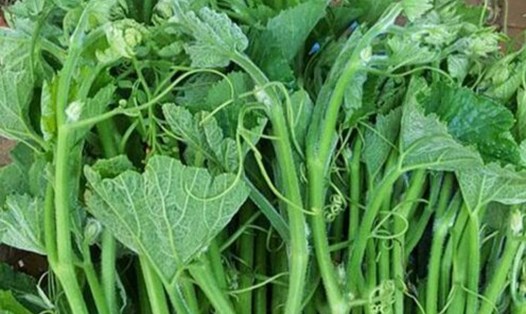
Vegetables like rau bí (pumpkin leaves and shoots), morning glory, and other leafy greens are highly nutritious — but they can also be more vulnerable to pesticide contamination.
Why They Can Be Risky
- Their large surface area allows pesticides to stick easily
- Soft leaves can absorb chemicals more readily
- In some farming practices, pesticides may be sprayed frequently to prevent pests
If these chemicals are not properly washed off, long-term exposure may affect health. Some studies suggest that excessive pesticide intake may be linked to issues like:
- Hormonal disruption
- Nervous system effects
- Increased long-term disease risk
How to Reduce Risk
- Soak vegetables in salt water or diluted vinegar for 10–15 minutes
- Rinse thoroughly under running water
- Choose trusted sources or organic produce when possible
- Avoid vegetables with a strong chemical smell or unusually glossy appearance
👉 Important: Rau bí itself is not dangerous — the risk comes from how it is grown and treated.
2. Sprouted Vegetables (Especially Raw Bean Sprouts)
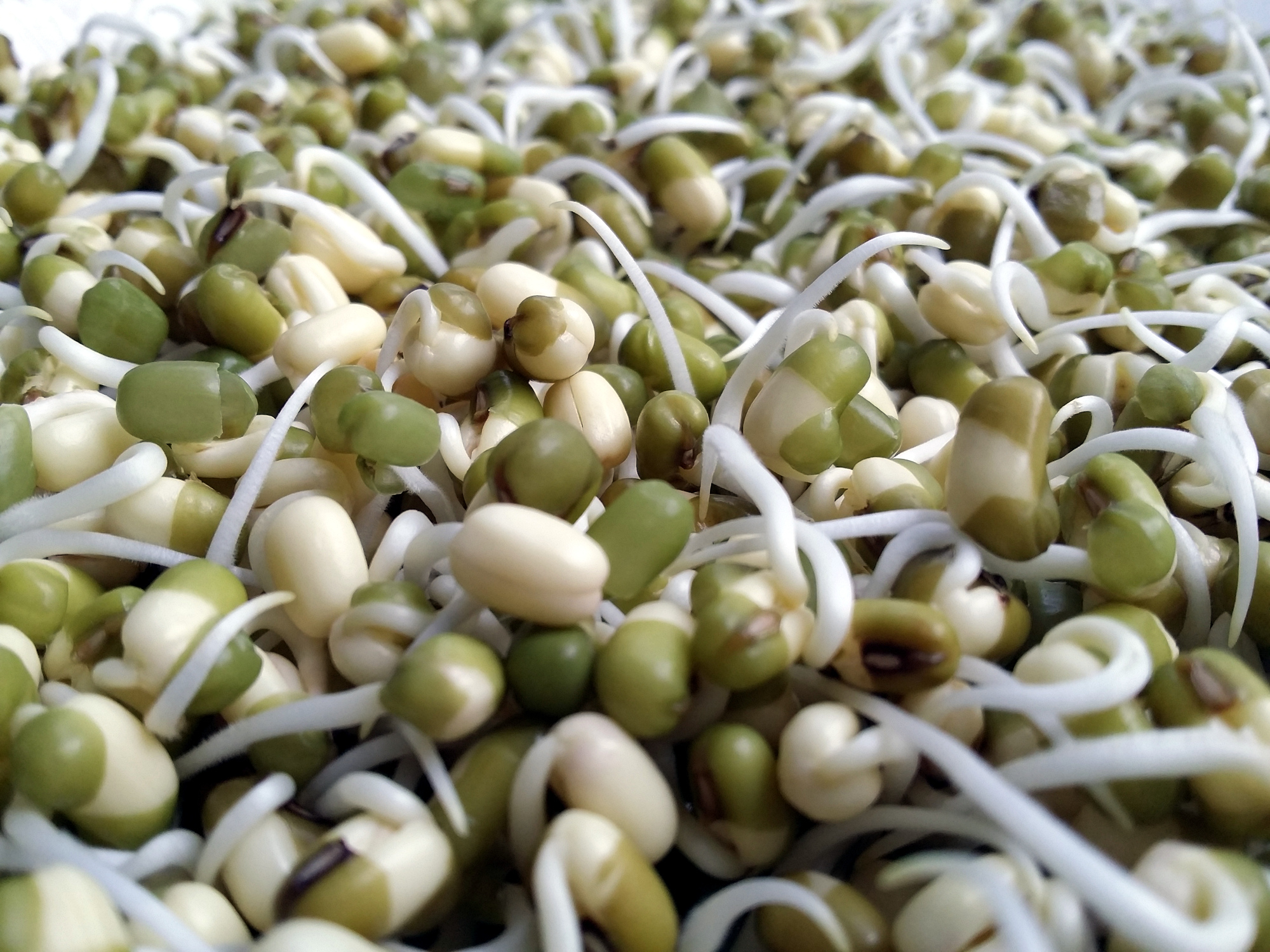
Bean sprouts are popular in many dishes thanks to their crunch and freshness. However, they are also one of the most common vegetables linked to foodborne illness.
Why They Can Be Risky
Sprouts are grown in warm, humid conditions — the perfect environment for bacteria like:
- Salmonella
- E. coli
These bacteria can grow inside the sprout, making them difficult to wash away.
Health Concerns
Eating contaminated raw sprouts may lead to:
- Diarrhea
- Stomach cramps
- Fever
- Food poisoning
How to Stay Safe
- Cook sprouts thoroughly instead of eating them raw
- Buy from reputable suppliers
- Avoid raw sprouts if you are:
- Pregnant
- Elderly
- Have a weakened immune system
3. Potatoes That Are Green or Sprouting
:max_bytes(150000):strip_icc()/Sprouted_Potatoes_006-00af8ed7c2eb4fcbb27d076d82eca7dd.jpg)
Potatoes are a staple food, but when they turn green or begin to sprout, they can produce a natural toxin called solanine.
Why They Can Be Risky
Solanine develops when potatoes are exposed to:
- Light
- Improper storage conditions
Symptoms of Solanine Poisoning
- Nausea
- Vomiting
- Headaches
- In severe cases, neurological symptoms
How to Stay Safe
- Avoid potatoes that are green, bitter, or heavily sprouted
- Store potatoes in a cool, dark place
- Cut off small sprouts or green spots — but discard if extensive
So… Do Vegetables Cause Cancer?
Let’s be clear:
👉 Vegetables themselves do NOT cause cancer.
In fact, diets rich in vegetables are strongly associated with a lower risk of many cancers.
However, external factors such as:
- Pesticide residues
- Contamination
- Natural toxins (like solanine)
- Improper cooking or storage
…may contribute to health risks if ignored over time.
Simple Tips to Eat Vegetables Safely Every Day
To enjoy the benefits of vegetables without unnecessary risks:
- Wash all produce thoroughly
- Soak leafy greens before cooking
- Cook high-risk vegetables when needed
- Store food properly
- Buy from trusted or certified sources
- Eat a variety of vegetables instead of relying on just a few types
Final Thoughts
Vegetables remain one of the most important parts of a healthy diet. But like any food, how they are grown, handled, and prepared matters.
Instead of avoiding certain vegetables out of fear, focus on making smarter choices — from selecting clean produce to preparing it safely at home.
Because in the end, the goal isn’t to eat less vegetables…
👉 it’s to eat them the right way — for you and the people you care about.