Pumpkin is widely known as a nutritious and versatile food, commonly used in soups, desserts, and seasonal dishes. Rich in vitamins, fiber, and antioxidants, it is often associated with a variety of health benefits. However, like any food, consuming pumpkin—especially in large amounts or under certain conditions—can have specific effects on the body.
Understanding both the benefits and potential side effects can help you enjoy pumpkin safely and effectively as part of a balanced diet.

Nutritional Value of Pumpkin
Pumpkin is packed with essential nutrients that support overall health.
Key components include:
- Beta-carotene (converted into vitamin A)
- Vitamin C and E
- Dietary fiber
- Potassium
These nutrients contribute to immune support, eye health, and proper digestion.
Positive Effects of Consuming Pumpkin
1. Supports Eye Health
Pumpkin is rich in beta-carotene, which the body converts into vitamin A.
Benefits:
- Helps maintain good vision
- Supports eye health, especially in low-light conditions
2. Boosts Immune Function
The combination of vitamins and antioxidants helps strengthen the immune system.
Why it matters:
- Protects against infections
- Supports overall resilience
3. Aids Digestion
Pumpkin is high in fiber, which promotes healthy digestion.
Effects include:
- Improved bowel regularity
- Reduced risk of constipation
4. Supports Heart Health
Pumpkin contains potassium and antioxidants that benefit the cardiovascular system.
Potential benefits:
- Helps regulate blood pressure
- Supports healthy circulation
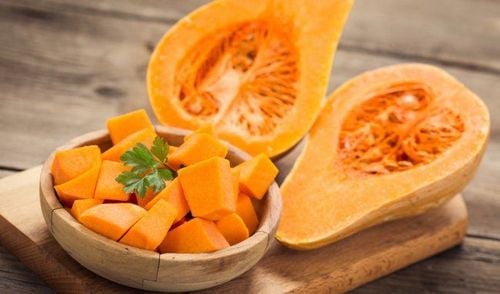
Possible Side Effects of Overconsumption
While pumpkin is generally safe, consuming too much can lead to certain issues.
1. Digestive Discomfort
Due to its high fiber content, excessive intake may cause:
- Bloating
- Gas
- Abdominal discomfort
This is especially likely if your body is not used to a high-fiber diet.
2. Excess Vitamin A Intake (Indirectly)
Pumpkin is rich in beta-carotene, and while it’s not toxic in normal amounts, very high intake over time can lead to:
- Yellow-orange skin discoloration (a condition called carotenemia)
This is harmless but noticeable.
3. Blood Sugar Considerations
Pumpkin has a moderate glycemic index.
What this means:
- It can affect blood sugar levels if consumed in large portions
- People with diabetes should monitor intake
4. Allergic Reactions (Rare Cases)
Although uncommon, some individuals may experience sensitivity to pumpkin.
Possible symptoms:
- Itching
- Skin irritation
- Digestive upset
5. High Sodium in Processed Pumpkin Products
Not all pumpkin-based foods are equally healthy.
Examples:
- Canned pumpkin with added salt
- Pumpkin-flavored processed snacks
These may contain high sodium or sugar levels, which can offset health benefits.
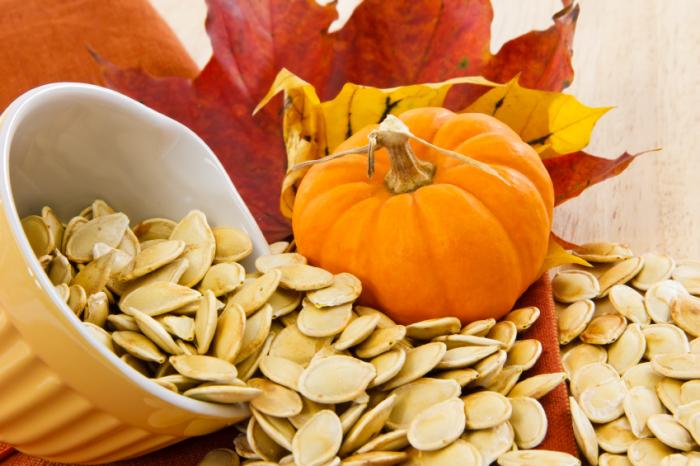
Pumpkin Seeds: Additional Considerations
Pumpkin seeds are also highly nutritious but can have effects if overconsumed.
Possible issues:
- High calorie intake
- Digestive discomfort if eaten in excess
Moderation is key.
How to Consume Pumpkin Safely
To enjoy pumpkin without negative effects:
- Eat it in moderate portions
- Combine it with a balanced diet
- Choose fresh or minimally processed forms
- Stay hydrated to support digestion
The Bottom Line
Pumpkin is a nutrient-rich food that offers numerous health benefits, from supporting vision to improving digestion. However, like any healthy food, excessive consumption can lead to mild side effects such as digestive discomfort or changes in skin tone.
The key is balance. When consumed in appropriate amounts, pumpkin can be a valuable and delicious addition to a healthy diet—helping your body function at its best without unwanted effects.