Food safety is an important part of maintaining good health. While most foods are safe when handled and cooked properly, experts warn that certain common foods may sometimes carry parasites if they are not prepared carefully.
Parasites are organisms that live inside or on another living host. In some cases, they can enter the human body through contaminated food or water and cause digestive problems or infections. According to food safety experts, people may become infected when they consume food that contains parasite eggs or larvae.
Although this does not mean these foods should be avoided completely, it does highlight the importance of proper food preparation and hygiene.
Below are four types of foods that may sometimes contain parasites if they are raw, undercooked, or poorly handled.
1. Raw or Undercooked Fish
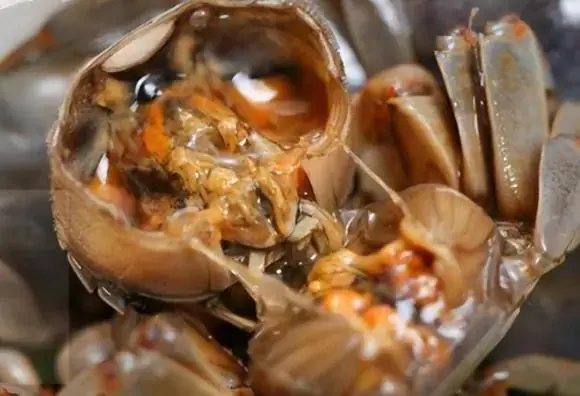
Fish is widely considered a healthy food because it is rich in protein, omega-3 fatty acids, and essential nutrients. However, certain types of fish may naturally contain parasites.
Parasites are common in many wild fish species. When fish is eaten raw or only lightly preserved, these parasites may survive and infect humans.
Popular dishes such as sushi, sashimi, ceviche, or lightly cured seafood can increase the risk if the fish has not been frozen or prepared according to proper safety guidelines.
Cooking fish thoroughly or freezing it at very low temperatures before consumption is an effective way to kill parasites.
2. Raw or Undercooked Meat
Another food category that may sometimes carry parasites is meat, particularly pork and certain types of red meat.
Parasites such as tapeworms and roundworms can live in animal tissues. If the meat is not cooked to a safe temperature, these parasites may survive and enter the human digestive system.
Food safety authorities emphasize that proper cooking is one of the most effective ways to eliminate these risks. Thoroughly cooking meat ensures that harmful organisms, including parasites, are destroyed before consumption.
3. Fresh Fruits and Vegetables
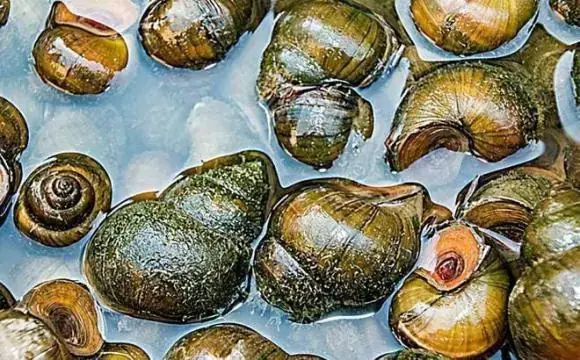
Fresh produce such as fruits and vegetables is essential for a healthy diet, but it can also carry microscopic contaminants if it is not properly washed.
Parasites can sometimes reach produce through contaminated soil, irrigation water, or improper handling during harvesting and transportation.
For example, produce may be exposed to contaminated water or fertilizer containing parasite eggs. If fruits and vegetables are eaten raw without proper washing, these contaminants could enter the body.
To reduce the risk, it is recommended to wash fruits and vegetables thoroughly under clean running water before eating or preparing them.
4. Raw Shellfish and Aquatic Foods
Shellfish and certain aquatic foods can also carry parasites, especially if they are harvested from contaminated waters.
Mollusks such as clams, oysters, and mussels filter large volumes of water as they feed. This means they can accumulate microorganisms, including parasites, from their environment.
Eating these foods raw or undercooked may increase the risk of infection. Cooking seafood properly helps eliminate potential parasites and other harmful microorganisms.
Why Parasites in Food Matter
Foodborne parasites are less frequently discussed than bacteria or viruses, but they still affect millions of people worldwide each year. Some infections may cause digestive problems such as diarrhea, stomach pain, nausea, or fatigue.
In many cases, parasitic infections occur when contaminated food or water is consumed. Once inside the body, some parasites can survive in the digestive tract for long periods before symptoms appear.
Fortunately, most of these infections can be prevented through proper food handling and preparation.
Simple Tips to Reduce the Risk
Experts recommend several simple precautions to reduce the risk of parasites in food:
Wash produce thoroughly: Rinse fruits and vegetables under clean water before eating.
Cook food completely: Make sure meat and seafood reach safe internal temperatures.
Avoid cross-contamination: Use separate cutting boards for raw meat and vegetables.
Store food safely: Keep foods at proper refrigeration temperatures to slow microbial growth.
Practice good hygiene: Always wash hands before preparing food.