Why Your Brain Tricks You Into “Falling” Right Before Sleep — And What It Reveals About Your Survival Instincts
Have you ever been drifting peacefully into sleep when suddenly it feels like you’re falling from a height? In that instant, your body jerks violently, your heart races, and you wake up confused. It can feel so real that many people instinctively grab the bed or gasp for air.
This strange experience is incredibly common. In fact, scientists estimate that around 60–70% of people experience this sensation at some point in their lives. The phenomenon even has a scientific name: Hypnic jerk, also known as a sleep start.
But why does this happen? Why would the brain create the terrifying illusion that we are falling just as we are about to sleep? Surprisingly, the answer reveals fascinating insights into how the human brain evolved to protect us from danger.
The Moment Your Body Switches From Awake to Asleep

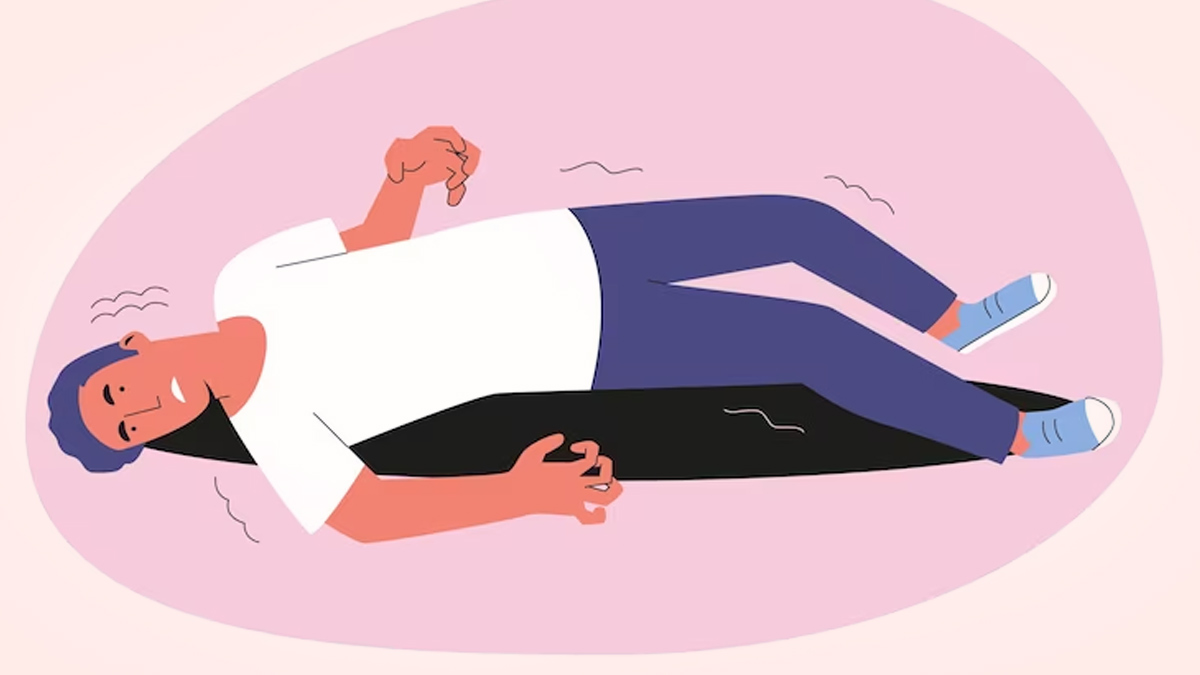

When you fall asleep, your body enters a complex neurological transition. Your breathing slows down, your muscles relax, and your brain waves shift from active alertness to deeper sleep rhythms.
However, this transition is not always smooth.
As your muscles begin to relax rapidly, your brain may misinterpret the sudden loss of muscle tension as a sign that you are physically falling. Because the brain evolved primarily to detect threats and keep you alive, it reacts instantly.
Your nervous system sends a sudden burst of electrical signals through the body. The result is the familiar jerk or twitch that snaps you awake.
This reaction may feel alarming, but it is actually a protective reflex deeply rooted in human evolution.
An Ancient Survival Mechanism

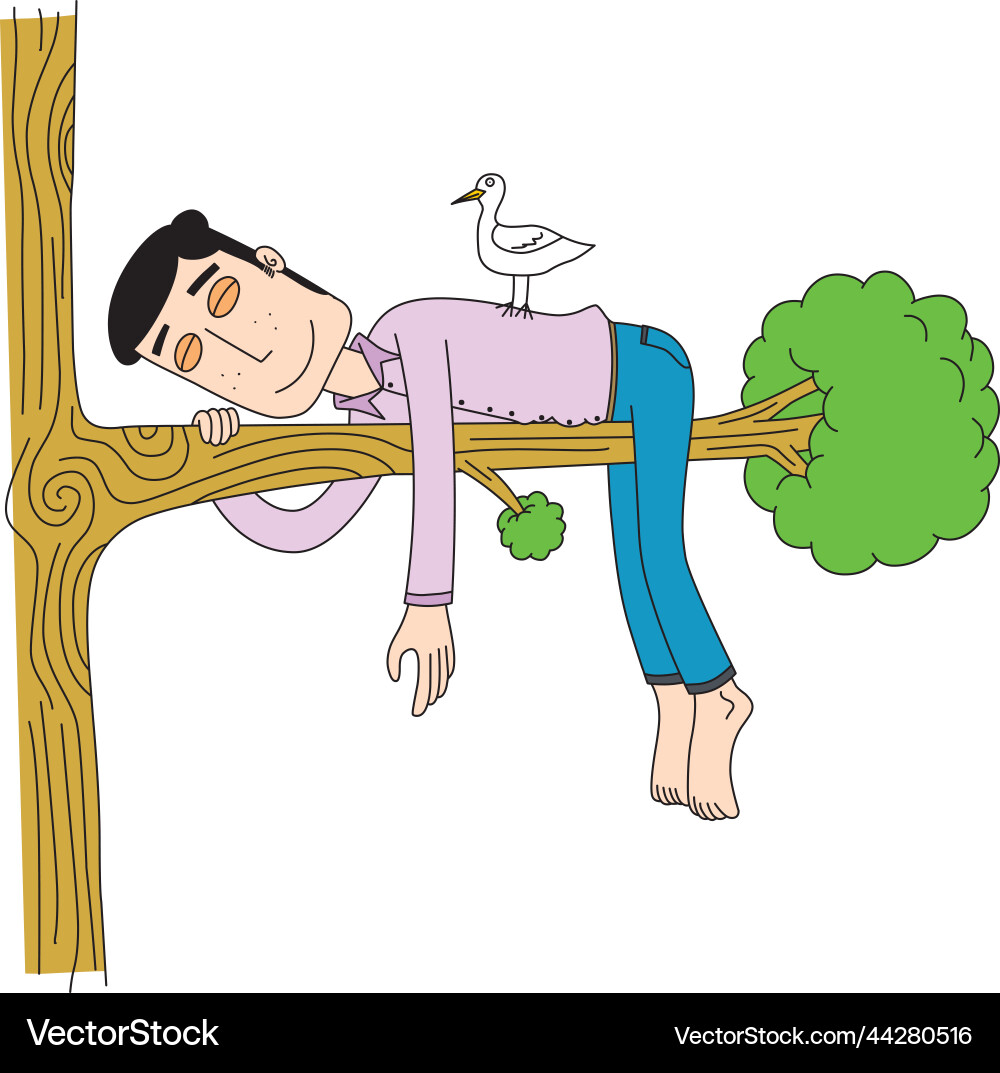

Many researchers believe the hypnic jerk may date back to a time when early humans slept in trees to avoid predators.
Imagine an ancient ancestor resting on a tree branch. If their muscles relaxed too much during sleep, they might lose balance and fall. A sudden reflex that woke them up could have prevented a deadly drop.
According to this theory, the hypnic jerk functioned like a biological safety alarm, instantly reactivating the muscles before the body became too relaxed.
Although modern humans now sleep safely in beds, the brain still carries millions of years of evolutionary programming. The reflex remains, even though we no longer need it.
What Triggers Hypnic Jerks Today


While hypnic jerks can happen randomly, certain factors make them more likely to occur.
1. Stress and anxiety
When the brain is overloaded with stress, the nervous system stays partially alert even during sleep. This increases the chances of sudden muscle contractions.
2. Caffeine consumption
Drinking coffee, tea, or energy drinks late in the day stimulates the nervous system and can interfere with the body’s natural sleep transition.
3. Sleep deprivation
Ironically, being extremely tired can make hypnic jerks happen more frequently because the body transitions into sleep more abruptly.
4. Late-night exercise
Intense physical activity before bedtime can keep muscles and nerves in an activated state.
5. Irregular sleep schedules
When sleep patterns are inconsistent, the brain struggles to regulate the normal sleep cycle.
These factors do not cause hypnic jerks directly, but they increase the instability of the sleep transition, which makes the reflex more likely.
Why It Sometimes Feels So Real
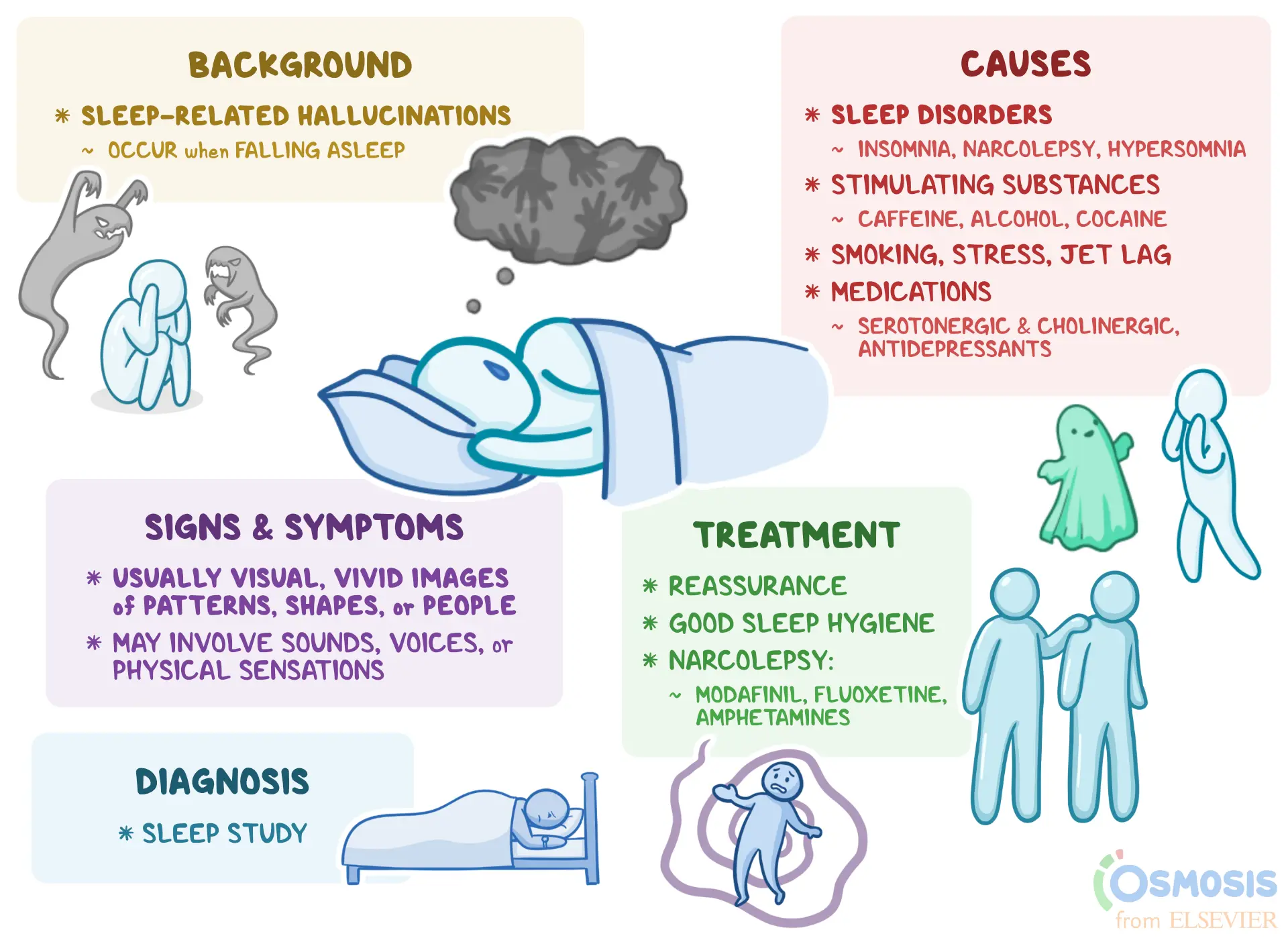
One of the strangest aspects of hypnic jerks is how real the falling sensation feels.
This happens because the brain is already beginning to enter the dream stage of sleep. During this phase, the brain becomes extremely imaginative, creating vivid sensory experiences.
When the muscle relaxation triggers the reflex, the brain quickly constructs a dream-like scenario to explain the sensation. That is why many people report dreaming of:
-
Falling from a cliff
-
Missing a step while walking downstairs
-
Slipping off a ledge
-
Dropping suddenly through the air
The brain essentially creates a story in milliseconds to interpret what the body is feeling.
Is It Dangerous?
The good news is that hypnic jerks are completely harmless.
They do not indicate a neurological disorder and usually require no medical treatment. Most people experience them occasionally, especially during periods of stress or fatigue.
However, if the jerks happen very frequently or severely disrupt sleep, it may be helpful to adjust lifestyle habits such as:
-
Reducing caffeine intake in the evening
-
Maintaining a consistent sleep schedule
-
Practicing relaxation techniques before bed
-
Limiting screen exposure at night
These simple changes can help stabilize the brain’s transition into sleep.
A Reminder of How Powerful the Human Brain Is
Hypnic jerks may feel strange, but they reveal something remarkable about the human brain.
Even while we sleep, the brain continues to monitor the body and environment, constantly prepared to protect us from potential danger.
What feels like a random twitch is actually the echo of an ancient survival system, one that helped our ancestors stay alive in a far more dangerous world.
So the next time you feel that sudden falling sensation just before sleep, remember:
Your brain isn’t malfunctioning.
It’s simply doing what it has always done — keeping you safe, even when you’re drifting into dreams.