If Your Legs Cramp at Night, You Need to Know This Immediately
Waking up suddenly in the middle of the night with a sharp, painful tightening in your leg can be extremely uncomfortable. The muscle suddenly contracts, the calf becomes hard, and even the smallest movement can feel painful. These episodes are known as night leg cramps, and they affect millions of people around the world.
Although these cramps are usually harmless, they can seriously interrupt sleep and affect daily well-being. Many people ignore them, thinking they are simply caused by fatigue or aging. However, frequent nighttime cramps may sometimes indicate underlying lifestyle factors or health issues that should not be overlooked.
Understanding why leg cramps happen and how to prevent them can help reduce their occurrence and allow for more restful sleep.
What Are Night Leg Cramps?


Night leg cramps are sudden, involuntary contractions of the muscles, most commonly affecting the calf. However, they can also occur in the feet or thighs.
These cramps typically happen while resting or sleeping and can last from a few seconds to several minutes. Even after the muscle relaxes, the affected area may remain sore for hours.
The foot may point downward or curl inward during the cramp, making it difficult to move the leg comfortably.
Unlike restless leg syndrome—which causes an urge to move the legs—night cramps involve actual muscle spasms accompanied by intense pain.
Why Do Leg Cramps Happen at Night?


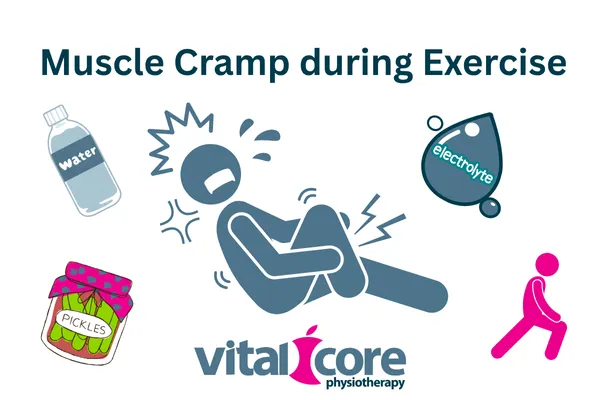
There are several reasons why leg cramps may occur during sleep. Often, they result from a combination of factors rather than a single cause.
1. Dehydration
When the body does not have enough fluids, muscles can become more prone to spasms. Proper hydration helps maintain balanced electrolytes and normal muscle function.
2. Mineral Deficiency
Minerals such as magnesium, potassium, and calcium play an important role in muscle contraction and relaxation. Low levels may increase the risk of cramps.
3. Muscle Fatigue
Overworking the muscles during the day—whether through exercise, prolonged standing, or physical labor—can make them more likely to cramp during rest.
4. Poor Blood Circulation
Restricted blood flow to the legs may also contribute to nighttime cramps, particularly in older adults.
Lifestyle Habits That Increase the Risk


Certain everyday habits may increase the likelihood of experiencing leg cramps at night.
Long periods of sitting
Spending hours sitting can reduce blood flow to the legs and cause muscle stiffness.
Wearing high heels frequently
High heels shorten the calf muscles and may increase muscle tension.
Sleeping position
Sleeping with toes pointed downward can tighten calf muscles and trigger cramps.
Pregnancy
Hormonal changes and increased pressure on blood vessels often lead to cramps during pregnancy.
What to Do When a Cramp Happens


If a leg cramp wakes you up at night, several simple actions can help relieve the pain quickly.
Stretch the muscle
Straighten the leg and gently pull your toes toward your shin. This stretches the calf muscle and helps it relax.
Massage the area
Lightly massaging the cramped muscle can increase blood circulation and ease tension.
Stand or walk slowly
Placing weight on the leg may help release the contraction.
Apply warmth
A warm compress or heating pad can relax tight muscles and reduce discomfort.
How to Prevent Night Leg Cramps
Prevention usually involves simple lifestyle adjustments.
Helpful habits include:
-
Drinking enough water during the day
-
Stretching the legs before bedtime
-
Maintaining a balanced diet rich in magnesium and potassium
-
Staying physically active
-
Avoiding long periods of inactivity
Gentle stretching before sleep is often one of the most effective ways to prevent nighttime cramps.
When Should You Seek Medical Advice?
Most leg cramps are harmless. However, it may be wise to consult a doctor if cramps:
-
Occur very frequently
-
Cause severe pain
-
Do not improve with stretching or hydration
-
Are accompanied by swelling or muscle weakness
In rare cases, persistent cramps may be linked to circulatory disorders, nerve issues, or metabolic conditions.
Better Sleep Starts with Healthy Muscles
Nighttime leg cramps can be painful and frustrating, but they are usually manageable with proper hydration, balanced nutrition, and regular stretching.
By paying attention to the body’s signals and maintaining healthy daily habits, many people can significantly reduce the frequency of nighttime cramps and enjoy more restful sleep.