Peanuts are one of the most widely consumed snacks in the world. They are affordable, easy to store, and packed with nutrients that provide energy and support overall health. Many people enjoy peanuts roasted, boiled, or mixed into dishes such as salads, desserts, and sauces.
However, doctors and nutrition experts say that while peanuts can be healthy, they may also cause certain reactions or health concerns for some individuals if consumed improperly or in large quantities. Understanding both the benefits and potential risks of peanuts can help people enjoy them safely as part of a balanced diet.
The Nutritional Value of Peanuts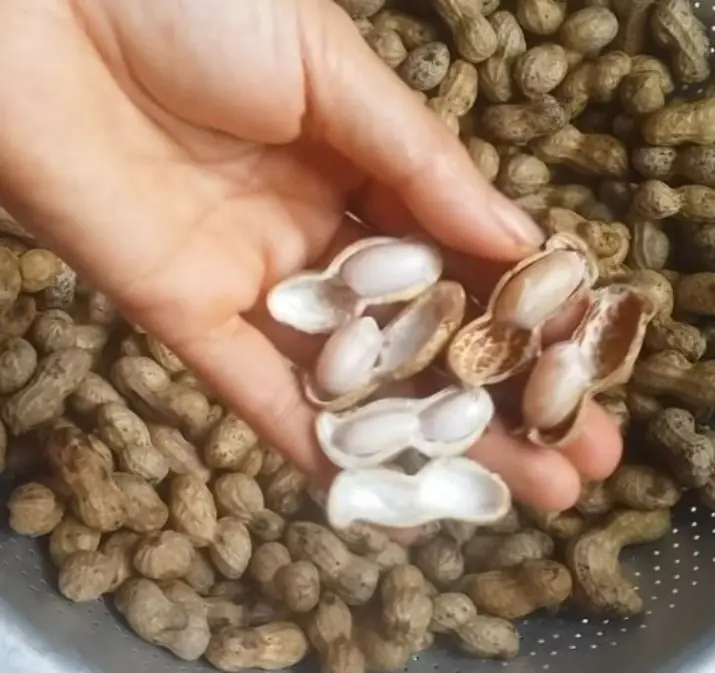
Peanuts are rich in nutrients that are beneficial for the body. They contain protein, healthy fats, fiber, vitamins, and minerals.
One of the main benefits of peanuts is their high protein content. Protein helps build and repair tissues, support muscle growth, and maintain overall body function.
Peanuts also contain healthy fats known as monounsaturated and polyunsaturated fats. These fats may help support heart health when eaten in moderation.
In addition, peanuts provide essential nutrients such as vitamin E, magnesium, potassium, and antioxidants that help protect the body from oxidative stress.
Because of their nutritional profile, peanuts are often considered a healthy snack when consumed in reasonable amounts.
Possible Allergic Reactions
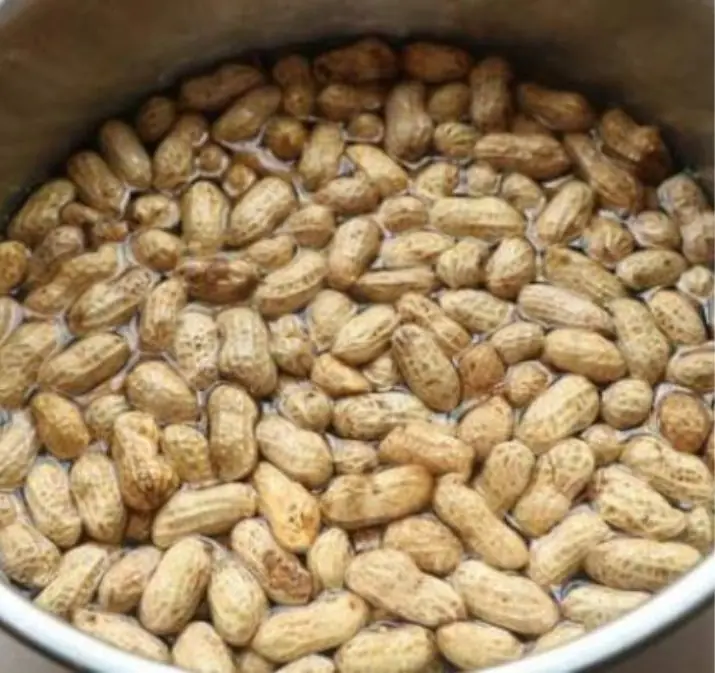
Despite their benefits, peanuts are also known to be one of the most common food allergens. Peanut allergies can cause reactions that range from mild symptoms to severe health emergencies.
Some individuals may experience itching, swelling, digestive discomfort, or skin reactions after eating peanuts. In more severe cases, allergic reactions can lead to breathing difficulties or anaphylaxis, a life-threatening condition that requires immediate medical attention.
For people who have peanut allergies, even small amounts can trigger symptoms. This is why doctors advise individuals with known allergies to avoid peanuts completely.
Risk of Mold Contamination
Another issue that doctors sometimes warn about is the potential presence of harmful molds in improperly stored peanuts.
Certain molds can produce substances called aflatoxins. These toxins may develop when peanuts are stored in warm, humid conditions for long periods.
Long-term exposure to high levels of aflatoxins has been linked to liver health concerns. For this reason, food safety experts emphasize the importance of purchasing peanuts from reliable sources and storing them properly in cool, dry environments.
Digestive Discomfort for Some People
Although peanuts contain fiber that supports digestion, some individuals may experience bloating or stomach discomfort after eating them.
This may occur because peanuts are relatively high in fat and fiber, which can slow digestion for some people.
People with sensitive digestive systems may prefer to consume peanuts in smaller portions.
Calorie Content and Moderation
Peanuts are also calorie-dense because of their fat content. While healthy fats provide important energy, eating large quantities of peanuts regularly may contribute to excess calorie intake.
For individuals trying to maintain or manage body weight, portion control is important when consuming peanuts or other nuts.
A small handful of peanuts can provide plenty of nutrients without excessive calories.
Healthy Ways to Enjoy Peanuts
Doctors often recommend enjoying peanuts in moderation as part of a balanced diet.
Choosing natural or lightly roasted peanuts without excessive salt or added sugar is generally considered a healthier option. Peanuts can also be combined with fruits, whole grains, or vegetables to create nutritious snacks.
For those without allergies, peanuts can provide a satisfying source of protein and healthy fats.
A Balanced Perspective
Peanuts remain a popular food around the world because of their flavor, versatility, and nutritional value. Like many foods, they offer both benefits and potential risks depending on how they are consumed.
By paying attention to portion sizes, food quality, and individual health conditions, most people can safely enjoy peanuts as part of a healthy diet.