A Week Before a Stroke, Almost Half of Patients Report These Same Symptoms
A stroke is one of the leading causes of death and long-term disability worldwide. It often strikes suddenly, without warning, leaving devastating consequences for individuals and families. However, medical research suggests that in many cases, the body actually sends warning signals days before a stroke occurs.
Studies have shown that nearly half of stroke patients experience noticeable symptoms within the week leading up to the event. These early warning signs can sometimes appear mild or temporary, causing people to ignore them or assume they are harmless.
Recognizing these symptoms early can make the difference between life and death, or between a full recovery and permanent disability. Understanding what the body is trying to communicate may help prevent a stroke before it happens.
Understanding What a Stroke Is


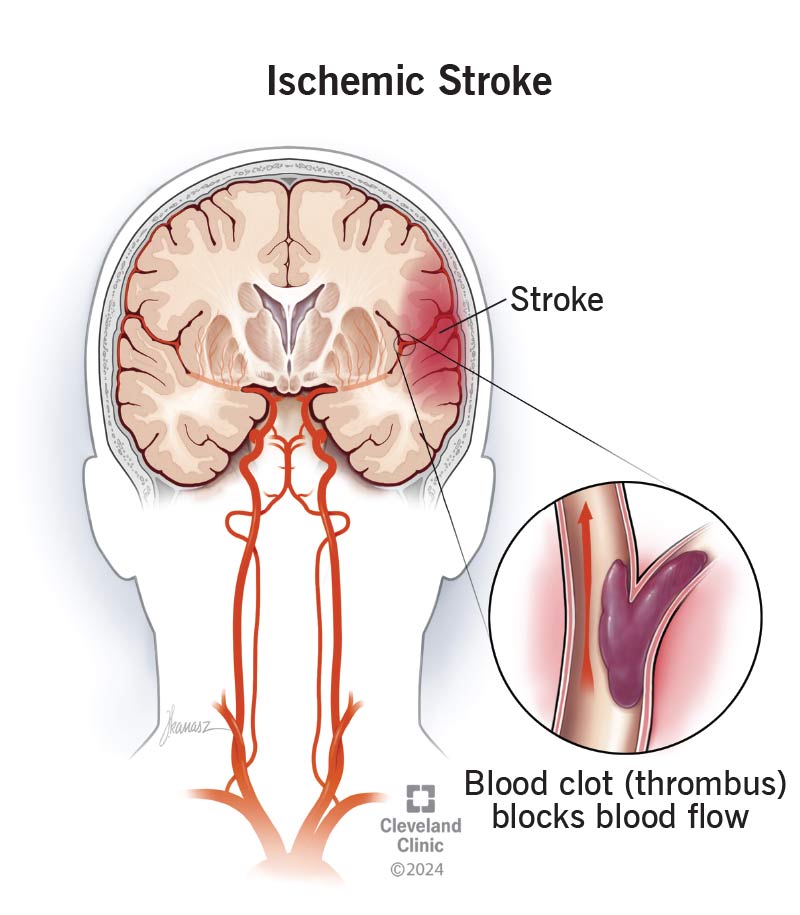
A stroke occurs when blood flow to part of the brain is interrupted. Without oxygen and nutrients, brain cells begin to die within minutes.
There are two primary types of strokes:
Ischemic stroke – caused by a blood clot blocking a blood vessel in the brain.
Hemorrhagic stroke – caused by a blood vessel rupturing and bleeding into the brain.
Ischemic strokes account for about 85% of all stroke cases.
Before a major stroke happens, some people experience a transient ischemic attack (TIA), often called a mini-stroke. This temporary blockage can last only a few minutes but acts as a serious warning sign of a future stroke.
Sudden Weakness or Numbness


One of the most common early signs of stroke is sudden numbness or weakness, particularly on one side of the body.
This may include:
-
A heavy or weak arm
-
Numbness in the face
-
Difficulty moving one side of the body
-
Tingling sensations in the limbs
Many people dismiss these symptoms as fatigue, poor circulation, or a pinched nerve. However, when numbness appears suddenly—especially on only one side—it can indicate a disruption in brain blood flow.
Severe Headaches That Appear Suddenly


A sudden, severe headache can sometimes be an early warning sign of stroke, especially for hemorrhagic strokes.
This headache may feel different from normal migraines. Patients often describe it as:
-
The worst headache of their life
-
Sudden and explosive pain
-
Pain accompanied by nausea or vomiting
-
Sensitivity to light or dizziness
If a headache appears abruptly without an obvious cause, it should never be ignored.
Vision Problems or Blurred Vision


Changes in vision are another potential early warning sign.
Some people may experience:
-
Blurred vision in one or both eyes
-
Double vision
-
Sudden loss of vision
-
Difficulty focusing
Because the brain controls visual processing, reduced blood flow can interfere with the signals between the eyes and the brain.
These symptoms may appear briefly and disappear, which makes them easy to overlook.
Difficulty Speaking or Understanding Words


Speech problems are another important warning sign.
You may notice:
-
Slurred speech
-
Trouble finding words
-
Confusion during conversations
-
Difficulty understanding what others are saying
These symptoms occur because strokes can affect the brain regions responsible for language and communication.
A useful way to recognize stroke symptoms quickly is the FAST rule:
F – Face drooping
A – Arm weakness
S – Speech difficulty
T – Time to call emergency services
The faster a person receives medical attention, the greater the chances of minimizing brain damage.
Dizziness and Loss of Balance
Some stroke victims report sudden dizziness or trouble maintaining balance days before the event.
This may include:
-
Difficulty walking
-
Loss of coordination
-
Sudden vertigo
-
Feeling like the room is spinning
These symptoms can occur when the stroke affects areas of the brain responsible for movement and spatial orientation.
Why Early Detection Matters
Stroke treatment is extremely time-sensitive. Many modern treatments, such as clot-dissolving medications, are most effective within the first few hours after symptoms appear.
If warning signs are recognized early, doctors may be able to:
-
Prevent a full stroke from occurring
-
Restore blood flow quickly
-
Reduce long-term brain damage
Ignoring early symptoms can delay treatment and increase the risk of severe complications or death.
How to Reduce the Risk of Stroke
Although strokes can sometimes occur without warning, many risk factors are preventable or manageable.
Healthy habits that lower stroke risk include:
-
Maintaining normal blood pressure
-
Controlling cholesterol levels
-
Avoiding smoking
-
Staying physically active
-
Managing diabetes
-
Eating a balanced diet rich in fruits and vegetables
Regular medical checkups can also help detect risk factors before they become dangerous.
Listening to Your Body Could Save Your Life
The human body often sends subtle signals when something is wrong. Symptoms like sudden numbness, headaches, speech problems, or vision changes should never be ignored.
While these signs do not always mean a stroke is imminent, they may indicate a serious neurological warning.
If such symptoms appear, especially suddenly, seeking medical attention immediately could save a life.
Understanding the early signs of stroke empowers people to act quickly, protect their health, and potentially prevent a devastating medical emergency.