8 Early Warning Signs of Ovarian Cancer That Many Women Ignore
Ovarian cancer is often called the “silent killer” because its early symptoms are usually subtle and easy to overlook. Many women mistake these signs for common digestive problems, hormonal changes, or temporary discomfort. Unfortunately, this delay in recognition often means the disease is diagnosed at a later stage, when treatment becomes more challenging.
According to medical experts, being aware of the early warning signs can play a crucial role in early detection and successful treatment. While these symptoms do not always indicate cancer, persistent changes in the body should never be ignored.
Understanding the signals your body sends may help detect problems earlier and encourage timely medical consultation.
Understanding Ovarian Cancer


Ovarian cancer begins in the ovaries, the reproductive organs responsible for producing eggs and hormones such as estrogen and progesterone.
Because the ovaries are located deep within the abdomen, tumors can grow for some time without causing obvious symptoms. As the cancer develops, it may begin to affect surrounding organs, leading to noticeable physical changes.
Early detection is critical. When ovarian cancer is diagnosed at an early stage, the five-year survival rate increases significantly.
1. Persistent Abdominal Bloating


One of the most commonly reported early symptoms is persistent bloating.
Many women experience occasional bloating due to diet or hormonal fluctuations. However, ovarian cancer–related bloating tends to be:
-
Frequent
-
Persistent
-
Gradually worsening over time
Some women describe it as feeling unusually full or swollen in the abdomen, even without eating much.
2. Pelvic or Lower Abdominal Pain


Persistent pain or discomfort in the pelvic region can also be an early warning sign.
This pain may feel like:
-
Pressure in the lower abdomen
-
Dull or sharp pelvic discomfort
-
Pain that does not go away
Although pelvic pain can be caused by many conditions, pain that persists for several weeks should be evaluated by a healthcare professional.
3. Difficulty Eating or Feeling Full Quickly



Another symptom that many women overlook is early satiety, meaning feeling full very quickly when eating.
Women experiencing this symptom may notice that they:
-
Lose interest in food
-
Feel full after eating small amounts
-
Experience discomfort after meals
These changes may occur because growing tumors put pressure on digestive organs.
4. Frequent Urination

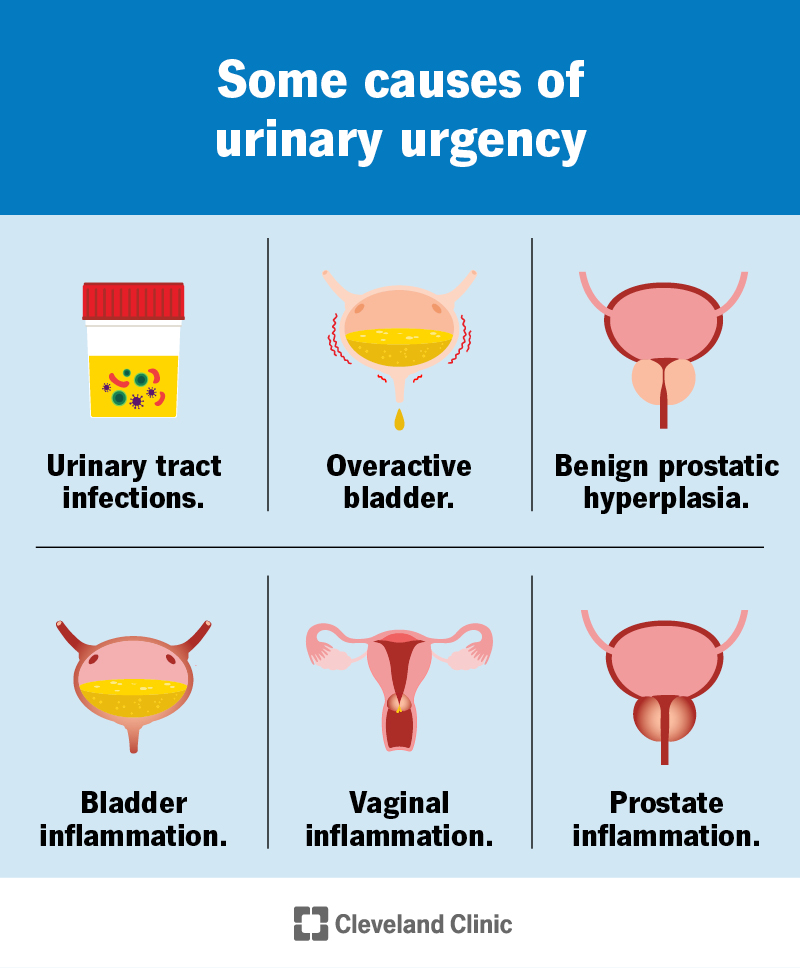
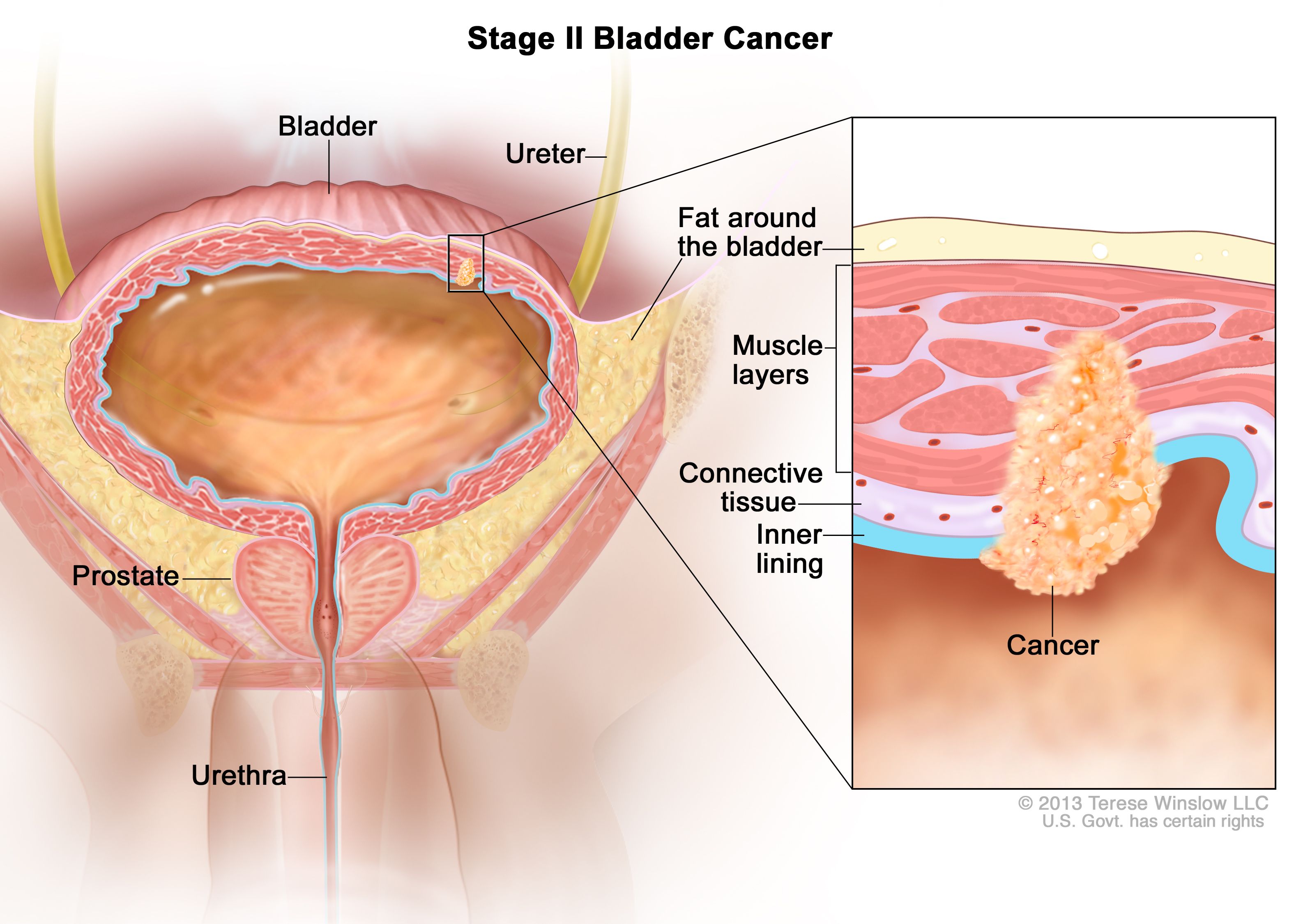
As ovarian tumors grow, they may press against the bladder, leading to frequent urination or sudden urgency.
This symptom may include:
-
Needing to urinate more often
-
Feeling strong urgency to urinate
-
Difficulty holding urine
Because urinary changes are often associated with infections, this symptom is frequently misinterpreted or ignored.
5. Unexplained Fatigue
Persistent fatigue that does not improve with rest may also occur in some ovarian cancer patients.
Cancer can place a significant burden on the body’s metabolism and immune system, leading to unusual tiredness or weakness.
If fatigue is severe and accompanied by other symptoms, it may warrant medical attention.
6. Changes in Bowel Habits
Digestive changes such as constipation, diarrhea, or altered bowel patterns can sometimes occur when tumors affect nearby digestive organs.
Women may notice:
-
Ongoing constipation
-
Changes in stool patterns
-
Abdominal discomfort related to digestion
These symptoms may appear similar to common gastrointestinal problems, which is why they are often overlooked.
7. Unexplained Weight Loss or Gain
Unexpected weight changes—especially abdominal swelling combined with weight loss elsewhere—can sometimes occur in ovarian cancer.
Fluid accumulation in the abdomen, known as ascites, may cause the stomach area to appear enlarged while the rest of the body becomes thinner.
8. Back Pain
Some women report persistent lower back pain before diagnosis.
Although back pain has many common causes, when it appears alongside other symptoms such as bloating or pelvic discomfort, it may signal pressure on surrounding tissues.
When to See a Doctor
Many of these symptoms can occur due to non-cancerous conditions, but the key factor is persistence.
Medical experts recommend seeing a doctor if symptoms:
-
Occur frequently
-
Persist for more than two weeks
-
Gradually worsen over time
Doctors may perform tests such as pelvic examinations, ultrasounds, or blood tests to investigate further.
Protecting Women’s Health Through Awareness
Ovarian cancer is difficult to detect early because its symptoms often resemble everyday health issues. However, awareness of these warning signs can encourage women to listen carefully to their bodies.
Regular health checkups, paying attention to persistent symptoms, and seeking medical advice when something feels unusual can greatly improve the chances of early diagnosis and effective treatment.
Knowledge is one of the most powerful tools in protecting health. Recognizing early signs may help save lives and ensure that women receive the care and attention they need as early as possible.