While vegetables are known for their health benefits, not all are entirely harmless—especially when consumed in large amounts. Some vegetables with a bitter taste may carry potential risks, particularly to your liver. Here's what you need to know to protect your health.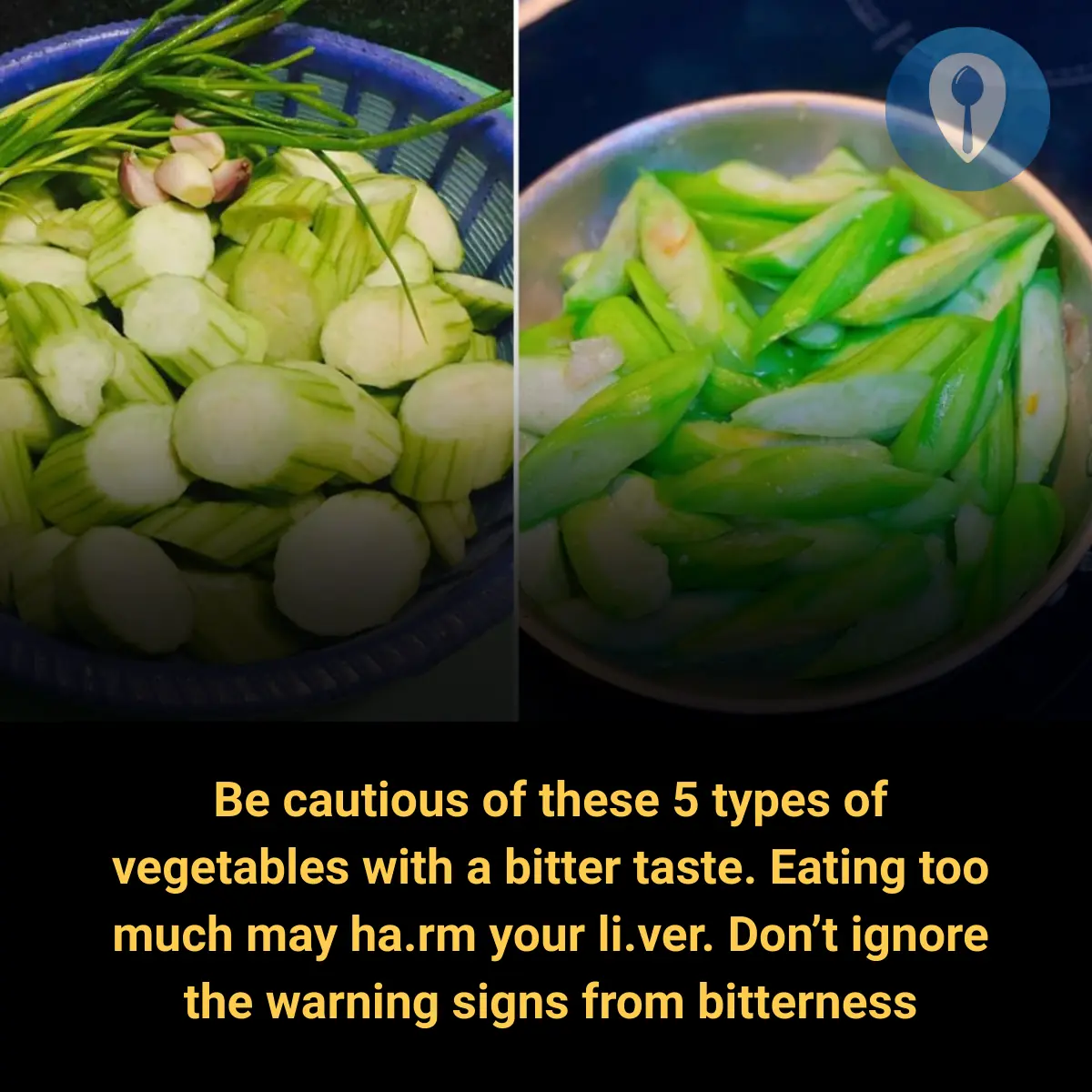
1. Why Bitter Vegetables May Be Harmful
Bitterness in vegetables often comes from natural compounds such as alkaloids, saponins, or glycosides. While these substances can have medicinal benefits in small quantities, excessive intake may lead to toxicity or put stress on the liver over time.
2. Five Bitter Vegetables to Consume With Caution
-
Bitter melon (bitter gourd): Known for its strong bitterness and blood sugar-lowering effects, but too much can upset the liver and digestive system.
-
Mustard greens: Contains glucosinolates, which in large doses may affect liver function.
-
Dandelion greens: Detoxifying, but excessive amounts might overburden the liver.
-
Neem leaves: Used in traditional medicine, but high doses can be toxic.
-
Chrysanthemum greens: Bitterness increases with age; avoid old or overgrown ones.
3. Warning Signs You Shouldn’t Ignore
-
Persistent nausea
-
Upper abdominal pain
-
Unusual fatigue
-
Jaundice (yellowing of the skin or eyes)
-
Dark-colored urine
These could signal liver distress and should be checked by a doctor immediately.
4. What to Do if Symptoms Occur
If you suspect you’re reacting to bitter vegetables:
-
Stop consuming the suspected food immediately
-
Seek medical help as soon as possible
-
Bring a sample of the food if available—it may help with diagnosis and treatment